


Yes, you can trek the Annapurna Circuit in winter, but the Thorong La (5,416 m) is the catch. December is usually crossable on clear days. January and February bring the coldest nights, about -15 to -20°C at Thorong Phedi, and snowfalls that can shut the pass for days, while many lodges above Manang close until spring. Go with a licensed guide (required since April 2023), carry a sleeping bag rated to about -20°C and keep two spare days. Want the mountains without the pass? Poon Hill and Annapurna Base Camp are easier winter choices.
- Winter seasonDecember to February
- Highest pointThorong La, 5,416 m (17,769 ft)
- Night low below the passAbout -15 to -20°C at Thorong Phedi
- DaylightAbout 10.5 hours at the solstice
- Pass statusCan close for days after heavy snow
- PermitsACAP NPR 3,000 + TIMS NPR 2,000, guide required
Winters are harsh. Everybody knows it. From the hibernation of other creatures to the preparation of humans for the winter, all speak about its cruelty. In Kathmandu, winter nights fall close to 0 degrees Celsius.
Winters are suitable for a cozy sleep, but for traveling, it might be one of the most significant barriers, especially if you are traveling to the Himalayas in Nepal. Up on the Annapurna Circuit, nights at Thorong Phedi, the last stop below the pass, drop to about -20°C (-4°F). So, having a better plan to keep yourself warm in this area might be a wise choice.
How is trekking in Annapurna Circuit during the winter? You’ve always wanted to hike the Annapurna Circuit. And with winter coming, there’s no better time to make it happen. With the right gear, preparation, and attitude, conquering this trek is doable, even in the coldest months.
In this guide, we’ll walk you through everything you should know before hitting the trail. We’ll cover everything from packing your bag to dealing with altitude sickness. So, if you’re ready to take on the challenge, read our top tips for trekking Annapurna Circuit in winter.
Pre-Departure Checklist
First, make sure you have all the necessary gear. This includes a good quality backpack, proper clothing for the cold weather, and a headlamp. You’ll also want to pack extra food, water, snacks, and money for emergencies.
Second, be sure to familiarize yourself with the route. The Annapurna Circuit is a challenging trek, and knowing what to expect, including the permits you need, is essential before you set out.
Finally, make sure you have travel insurance. This is essential for any travel but necessary when hiking in a remote area like the Annapurna Circuit.
What to Expect When Trekking Annapurna in Winter?
When trekking the Annapurna Circuit in winter, you can expect colder temperatures, fewer crowds, and snow-covered trails. Daytime temperatures in lower altitudes remain manageable, but as you ascend to higher elevations, especially around Thorong La Pass, temperatures can drop significantly, often falling below -15°C (5°F) at night.
Snow and ice are common, particularly in higher sections, making the trail more challenging and, at times, even impassable without proper gear. In heavy snow years, the Thorong La pass can close entirely for days or even weeks, so always check pass conditions in Manang before committing to the crossing.
The serenity of winter trekking is unmatched, with fewer trekkers on the trail, allowing for a peaceful and more intimate connection with the landscape. However, shorter daylight hours mean you’ll need to start early each day to ensure you reach your destination before nightfall. Many teahouses above Manang close for the season, and the ones that stay open have fewer amenities than in autumn.
While the trek is more demanding in winter, it rewards you with snow-draped views of the Annapurna Massif and an immersive, tranquil experience in the heart of the Himalayas.
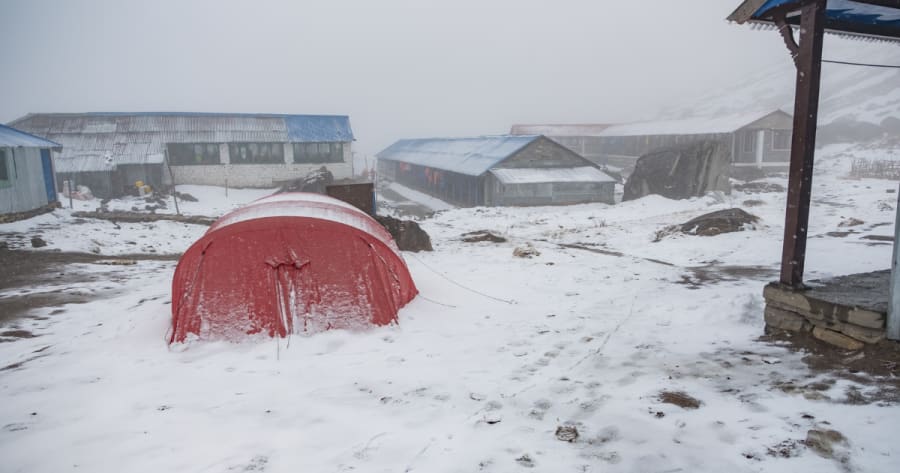
Annapurna Circuit Winter Temperatures by Altitude
These are rough ranges for a clear January day, pieced together from operator guides and trekker reports. They aren't weather-station records. On the pass, wind makes it feel far colder than the thermometer says.
| Place | Altitude | Sunny day | Night |
|---|---|---|---|
| Besisahar | 760 m | About 15 to 20 C | About 5 C |
| Chame | 2,670 m | About 8 to 10 C | About -5 C |
| Manang | 3,540 m | 0 to 5 C | -10 to -15 C |
| Thorong Phedi | 4,540 m | -5 to 0 C | -15 to -20 C |
| Thorong La | 5,416 m | About -10 C, colder in wind | Below -20 C |
| Muktinath | 3,710 m | 0 to 5 C | About -10 C |
Thorong La in Winter: Month by Month
The pass has no gate and no official opening date. Whether you cross depends on the last snowfall and the wind, and the lodge owners at Thorong Phedi and High Camp know the conditions best on the day.
| Month | Pass conditions | What to expect |
|---|---|---|
| November | Best | Peak season, clear and cold, lodges open all the way up |
| December | Good | Cold and mostly clear, fewer trekkers, some high lodges start to close |
| January | Risky | Coldest month, snowfalls can close the pass for days |
| February | Risky | Heavy late-winter snow, deep drifts near the top |
| March | Improving | Snow lingers early on, lodges reopen as it warms |
That's the usual pattern from past seasons. It can't tell you what next week holds.
Around the winter solstice you get about ten and a half hours of daylight, and in the deep Marsyangdi gorge the sun leaves the trail well before dark. Pass day is long. Most groups leave Thorong Phedi or High Camp at 4 or 5 am to reach the top before the wind builds, then drop about 1,700 m to Muktinath. Build in two spare days, one in Manang and one at Thorong Phedi, so a storm means waiting rather than rushing. If snow keeps the pass shut, the safe plan is to go back down the Manang side, so ask how your agency handles that before you book.
Two more winter notes. The Tilicho Lake side trip (about 4,919 m) is often out of reach in deep winter, because the trail crosses steep scree and the lodges near Tilicho Base Camp close. And the worst disaster on the pass, the October 2014 blizzard that killed more than 40 people in the Annapurna region, came in autumn. Storms don't keep to a calendar.
Winter Festivals Along the Way
Tamu Lhosar, the Gurung New Year, falls on 30 December 2026 (Poush 15 in the Nepali calendar). Gurung villages in Lamjung and Pokhara mark it with dances, family feasts and traditional dress. Further up, the Buddhist villages of Manang and Mustang celebrate Losar later in the winter. Gyalpo Losar fell on 18 February in 2026 and usually comes in February or early March.
Strategies for Cold Weather Gear and Clothing
The key is to layer your clothing when you’re gearing up for a trek in the cold. Start with a thermal base layer to keep your body warm, then add some fleece or wool layers. A water-resistant jacket is a must, as is a good hat and gloves.
Make sure your boots are waterproof and have a good pair of socks. For the pass, add microspikes for icy stretches, gaiters, and a sleeping bag rated to about -20°C, because teahouse rooms have no heating.
In addition to your clothing, it’s essential to take care of your gear. Make sure to pack a thermos of hot tea or coffee, and bring along snacks that will provide you with energy. And don’t forget sunscreen, lip balm, and sunglasses, even in the cold, the sun can be brutal.
Accommodation and Food Options on the Trek
On the lower half of the circuit you'll find plenty of lodges and food. Higher up, fewer lodges stay open in winter than in spring or autumn, because many owners spend the cold months in Pokhara or Kathmandu, but options are still available. It’s best to book ahead of time using a reliable agency and do some research beforehand so you know what to expect.
As for food, most of the lodges along the trek will have limited menu options during winter months due to a lack of ingredients. Stick with traditional Nepali dishes like dal bhat, momos, and thukpa for hearty meals that will help you keep your energy levels up during your challenging trek. One thing’s for sure: no matter where you are along the trail, hot tea is available for purchase!
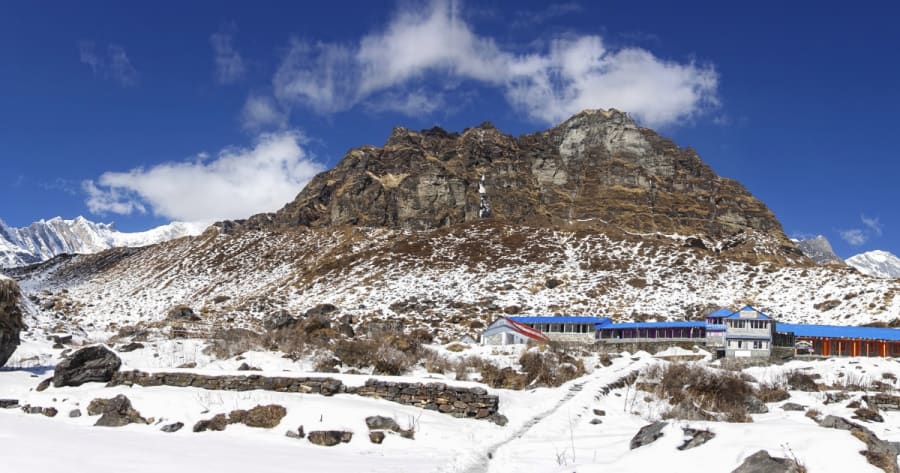
Challenges For Annapurna Circuit Trek In Winter
Avoiding Altitude Sickness
Altitude sickness is a very real danger when journeying to places like the Annapurna Circuit. It’s caused by inadequate oxygen at high elevations and can leave you feeling dizzy and short of breath. You will also find lightheadedness, difficulty sleeping, and a loss of appetite.
To avoid mountain sickness, preparing before starting your trek is essential. Make sure you drink plenty of fluids, at least 2-3 liters daily, as dehydration will only worsen things. It would be best if you get some rest before your trek to prepare your body for the hike ahead. When on the circuit, make sure you take it slow and steady so that your body can adjust to the changing altitude levels slowly and steadily.
Also, pack ibuprofen or paracetamol for headaches. They ease symptoms but don't treat altitude sickness, so if a headache comes with nausea or unsteadiness, stop climbing or go down. Acetazolamide (Diamox) can help with acclimatisation, but only on a doctor's prescription. Our guide to avoiding altitude sickness covers the warning signs. Finally, don’t forget to check in regularly with yourself while on the trail. If you feel unwell, check in with other hikers or local guides who can provide advice or assistance if needed.
Heavy Snowfall
As mentioned above, the temperature during the winter in Annapurna Circuit remains very low. And heavy snowfalls are the common thing that prevails in the region. Snowfall can be fun, but heavy snowfall might be a problem to trekkers since it blocks the route, blurs visibility, and makes your body unadaptable.
The Annapurna Circuit ranges from about 2,500 feet (760 m) at Besisahar to 17,769 feet (5,416 m) at the Thorong La, so while temperatures in the lower areas stay mild, they drop well below freezing up high.
We suggest you carry a trekking pole and wear the best winter outfits.
Challenging Pathways/Routes
Trekkers must pass through some of the worst rugged routes in Annapurna Circuit Trek. So it might be a topic of discussion if you are untrained or just a passive traveler. You will need the strength, endurance, and stamina to complete your trek to Annapurna. Also, it takes several days to complete the hike, so we suggest you be ready physically and mentally before taking on to Annapurna Circuit.
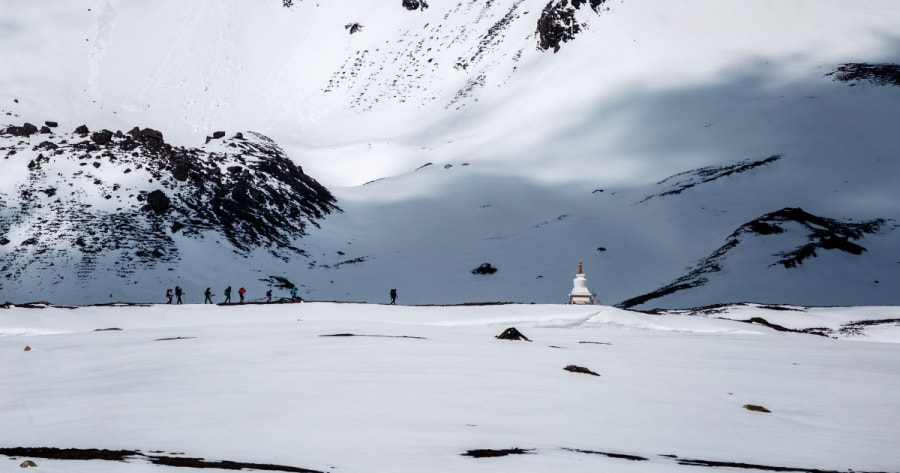
Hiring Guide For Annapurna Circuit Trek
Trekking the Annapurna Circuit in December, January and February is the hardest time of year. Since April 2023, a licensed guide has been mandatory on the circuit in any case, and in winter a good guide is worth double: they know the snow conditions, which teahouses are open, and when the pass is safe to attempt.
You will get to know the easiest and shortest routes throughout the trek with the help of your guide. Your guide can also translate when you talk with people along the way. Guides charge around USD 25 to 40 per day.
You can also hire porters to carry your baggage. A porter usually carries about 20 kg and costs about USD 20 to 25 per day.
Safety Tips for Winter Trekking in Annapurna Circuit
As you’re making your way through the Annapurna Circuit Trek in winter, it’s important to remember a few safety tips.
First of all, be prepared for the cold. Winter nights drop to -10°C or lower in Manang and close to -20°C at Thorong Phedi, so make sure to bring warm layers and a good sleeping bag with you. Wear lots of layers and bring proper winter gear (gloves, hat, balaclava, etc.) to protect your head and ears from the cold.
Also, learn the basics of altitude sickness by preparing for what symptoms to look for and when to turn back. Altitude affects everyone differently, so you should be educated about the signs and symptoms of AMS (Acute Mountain Sickness). Monitoring your blood oxygen saturation rate is one great way of watching this, and investing in an oximeter can help you stay safe at high altitudes.
Finally, limit your trekking hours as much as possible during colder months. Take breaks often if needed and stay hydrated by drinking abundant water throughout the day. Eating small snacks helps keep energy levels so you can reach safe lower-altitude areas in time for the night.
In winter, the Annapurna Circuit Trek is an excellent challenge for any trekker. The key is to be prepared and to have the proper gear. With the right preparation, you can conquer the challenge and have an amazing experience.
Annapurna Circuit in Winter: FAQs
Is the Annapurna Circuit open in winter?
Yes. The trail and the lower villages stay open all winter. The Thorong La is the part that closes, usually for a few days after heavy snow in January or February.
How cold does the Annapurna Circuit get in winter?
Expect about -10 to -15°C at night in Manang and -15 to -20°C at Thorong Phedi. Below 3,000 m a sunny afternoon can feel mild.
Are teahouses open on the Annapurna Circuit in winter?
Below Manang, most are. Above it, many close until spring, so your guide should confirm which lodges are open at Yak Kharka, Thorong Phedi and High Camp before you set off.
Can I trek the Annapurna Circuit in winter without a guide?
No. A licensed guide has been mandatory on the circuit since 1 April 2023, and the TIMS card is only issued through a registered agency. Our Annapurna Circuit permit guide has the details.
What is a good winter alternative to the Annapurna Circuit?
Poon Hill (3,210 m) and Annapurna Base Camp (4,130 m) stay lower and skip the pass. ABC has its own winter hazard in the avalanche zone between Deurali and Machhapuchhre Base Camp, so check conditions there too.