


The best thing to do in Dingboche (4,410 m) is the acclimatisation hike up Nangkartshang Peak to about 5,083 m, four to five hours round trip, for views of Makalu, Lhotse and Ama Dablam. In the village, walk the mani walls, try the apple pie at the bakeries, and rest. Chhukung and the Island Peak trail lie up the valley to the east, and Everest Base Camp is two days further on via Lobuche and Gorak Shep. Most trekkers spend two nights here.
- Dingboche4,410 m
- Best hikeNangkartshang, about 5,083 m
- Hike time4 to 5 hours return
- Nights hereUsually two
- To base camp2 days via Lobuche and Gorak Shep
- Up the valleyChhukung and Island Peak (6,189 m)
The picturesque village of Dingboche (4,410 m) is located in the Khumbu region of Nepal and serves as the classic acclimatization stop on the Everest Base Camp trail. Dingboche delivers a distinctive cultural and natural experience with breathtaking vistas of some of the highest peaks in the world, including Lhotse, Makalu and Ama Dablam. Everest itself stays hidden behind the Nuptse-Lhotse wall until you climb higher. For the village itself, altitude and acclimatisation, see our Dingboche guide.
Dingboche features something to suit everyone, whether you're trying to escape the hustle and bustle of city life or just want to learn about Sherpa culture. The 10 best things to do in Dingboche will be featured in this blog article.
1. Hike to Everest Base Camp
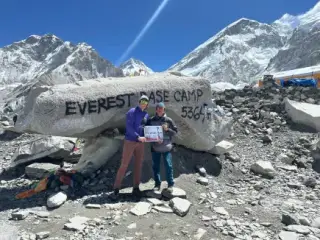
Dingboche is the jumping-off point for the last stretch to Everest Base Camp.
Any serious hiker or nature lover must do the demanding but fascinating journey. It takes two days to reach Everest Base Camp from Dingboche, sleeping at Lobuche and then Gorak Shep. There are no permanent villages above Dingboche, only seasonal lodges, so this is your last look at Sherpa village life until the way down.

Photo: Way to Everest base camp trek
The route becomes increasingly challenging as you gain height and encounter harsh weather, while those who make it to the end are treated with some of the most breathtaking views on the planet.
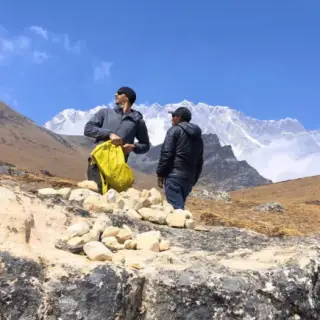
2. Explore Mani Wall at Dingboche
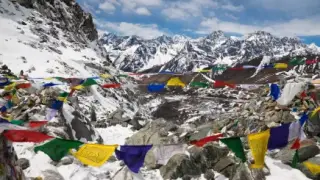
The Mani wall at Dingboche is one of the most impressive sites to behold in the Himalayas. It is a long wall of stones engraved with the famous Buddhist mantra “Om Mani Padme Hum”, which is often translated as “Hail to the Jewel in the Lotus.” Walk past it on the left, keeping the wall on your right.

Photo: Mani walls, Dingboche
The wall is built from thousands of stones, each engraved with the mantra, and is believed to bring good luck to those who pass it, especially those on a spiritual journey. Visiting the Mani wall is a great way to get a feel for the culture and the beliefs of the people who inhabit the Himalayas, and it is also an excellent spot for reflection and meditation.
3. Hike Nangkartshang Peak
Nangkartshang Peak rises straight above Dingboche, and the viewpoint at about 5,083 m is the classic acclimatisation hike on the rest day. Allow four to five hours round trip.
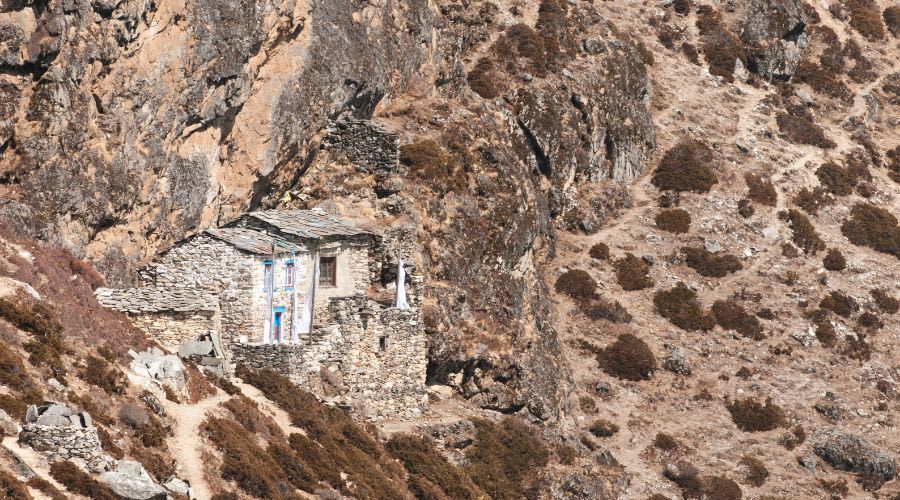
Photo: On the way up Nangkartshang, Dingboche
Although it is considered to be a sub-peak of a higher ridge, the views that can be enjoyed from the summit are some of the most spectacular in the region. Among the peaks that can be seen are Kangtega, AmaDablam, Nuptse, Lhotse, Makalu, Cho Oyu, and Taboche. Climbing above 5,000 m and sleeping back at 4,410 m is exactly what your body needs before Lobuche.
4. Visit Tengboche Monastery
One day's walk below Dingboche, and the night before you arrive, is Tengboche Monastery, the largest Buddhist monastery in the Khumbu. Founded in 1916 and rebuilt after a fire in 1989, it has drawn Sherpa pilgrims for more than a century.
Tengboche Monastery is located at an elevation of 3,867 meters (12,687 feet) and features beautiful scenery of the mighty himalayas. The main prayer hall holds a large statue of the Buddha, murals and old texts.

Photo: Tengboche Monastery
A pleasure of visiting the Tengboche Monastery is witnessing the monks living their daily lives.
Travelers are exposed to a complete cultural experience, starting with the early-morning chanting sessions and ending with colorful prayer flags. Tours to neighboring settlements are among the other things you can do to discover the traditions and culture of the area.
The main festival at Tengboche Monastery is Mani Rimdu, which takes place every October or November. The rituals last 19 days and end with three days of public masked dances. It is an excellent opportunity for visitors to gain insight into Nepali Buddhist culture and witness amazing performances.
Whether you’re looking for spiritual enlightenment or want to take in the majestic scenery, a visit to Tengboche Monastery should definitely be on your list.
5. Climb Island Peak
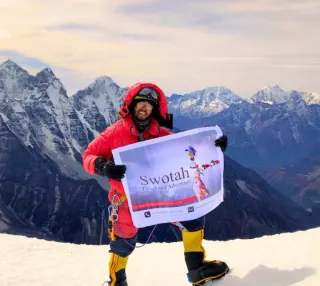
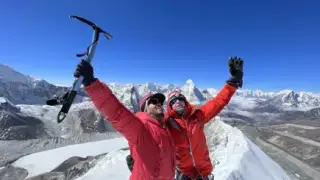
From Dingboche you can see Island Peak (Imja Tse) at the head of the Imja valley, the most popular trekking peak in Nepal.
The Khumbu area of Nepal is home to this 6,189 m (20,305 ft) mountain, which presents some of the most breathtaking panoramas of Mount Everest. It is a genuine mountaineering objective rather than a hike: the final stretch climbs fixed ropes up a steep snow headwall, so you need basic crampon and rope skills, a climbing permit, and a licensed guide.
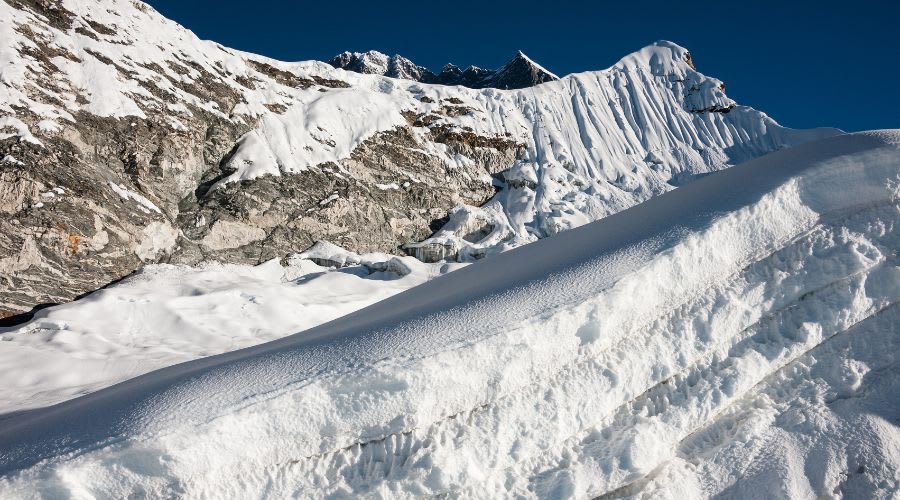
Photo: Island Peak
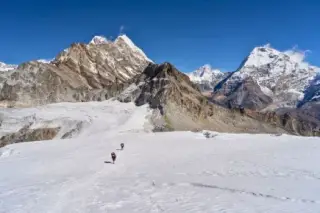
From Dingboche you walk to Chhukung, then to base camp at about 5,087 m, and summit day starts around 1 am.
The route follows the Imja valley past glacial moraines and the Imja Tsho lake. The unparalleled view of the environment is the payoff for all your hard work and the sense of accomplishment that comes from reaching the summit.
6. Go on a Trekking Adventure
Trekking in Dingboche is a unique experience if you're seeking something to remember. Dingboche, which is situated in the lovely Khumbu Valley, provides a variety of incredible trekking paths and is surrounded by stunning mountain ranges.
You can explore the region and take in the spectacular view of some of the highest mountains on the planet by picking from a variety of paths. Trekking in Dingboche is highly gratifying because of the breathtaking scenery, historic Buddhist temples, and enormous glaciers that can be seen all along the route.
Everybody can find a path that suits their level of fitness and preferences. Dingboche offers both peaceful day hikes and strenuous multi-day expeditions.
7. Rest, Recover, and Refuel
Dingboche is where most trekkers spend a full acclimatization day, and the village has adapted beautifully to the art of resting. Its famous bakeries serve fresh apple pie, croissants, and proper espresso at 4,410 metres, and the lodges offer hot showers, device charging, and sunny dining rooms to laze in.
A few lodges offer simple massages for trail-sore legs, and there is no better place to catch up on laundry, journal writing, and people-watching while your body builds red blood cells for the push to Lobuche.
8. Visit the Khumbu Icefall
Two days beyond Dingboche, at Everest Base Camp, you reach the Khumbu Icefall. A wall of enormous ice pieces, some of which are the height of buildings, may be seen at the entrance to the Khumbu Glacier.
The pace at which the Khumbu icefall travels, in addition to its high elevation of 5486 meters and its unsteady and rugged terrain, makes it dangerous. Due to the movement of the Khumbu Glacier and the Khumbu Icefall, enormous craters and crevasses appear overnight. Additionally, avalanches can happen in the blink of an eye. There is a chance of rescue, yet so many climbers have perished after becoming stuck in this icefall.
Trekkers admire the icefall safely from Everest Base Camp or the slopes of Kala Patthar. Entering it is strictly reserved for permitted expedition climbers. Even from a distance, the view of those teetering ice towers is unforgettable.
9. Explore the Local Culture
Discovering the native culture of the locals in Dingboche is a fascinating experience. The area dominantly occupied by the Sherpas is the home of many different cultures and traditions. Visitors can experience the different nuances of the local culture through various activities.
For instance, there are several chances to interact with and visit local shopkeepers. You will have the chance to learn about their profession and acquire insight into their customary way of life. Additionally, you will have the chance to discover more about their norms and values.
You will have a decent variety of dishes to choose from in the locality. Along with several international cuisines, you may also try some delightful Nepalese dishes.
10. Crispy Apple Pie at Bakery
The apple pies at Dingboche have a unique flavor that makes them stand out from the ones at Tengboche. The hospitality of the Sherpa people is said to have something to do with the amazing taste. If you're trekking the Everest Trail, don't forget to try out the apple pies and other pastries available at Dingboche and other places along the way. They are a favorite among trekkers and you won't be disappointed.
Where Each Thing Is
Only some of these are in Dingboche itself. This table shows which you can do on your rest day and which come before or after.
| Thing to do | Where | Time |
|---|---|---|
| Mani walls, monastery and village life | In the village | Any time |
| Bakeries and apple pie | In the village | Afternoon, after your hike |
| Rest, laundry, showers | In the village | Rest-day afternoon |
| Nangkartshang Peak viewpoint | Half-day hike | 4 to 5 hours round trip |
| Chhukung and the Imja valley | Half-day hike | 4 to 5 hours round trip |
| Tengboche Monastery | On the way in | The night before Dingboche |
| Island Peak | 1 to 2 days on | Via Chhukung and base camp |
| Everest Base Camp and the Khumbu Icefall | 1 to 2 days on | Via Lobuche and Gorak Shep |
A Rest Day in Dingboche, Hour by Hour
Have breakfast at 7 and set off up Nangkartshang by 8, before the afternoon wind and cloud arrive. Take two hours to climb, half an hour at the top, and come down slowly. Be back for a late lunch around 1 pm. Spend the afternoon at a bakery, have a shower while the water is warm from the solar panels, and charge your devices. Drink tea, eat a big dinner, and go to bed early, because tomorrow you climb to Lobuche at 4,940 m.
Bottom Line
Dingboche has plenty to keep you busy on your rest day. From the spectacular views of the tallest mountains in the world to exploring the local culture and cuisine, Dingboche has something to offer to everyone.
Whether you are looking to embark on a spiritual journey or just want to spend a peaceful day outdoors, Dingboche is the perfect destination to explore and enjoy the beauty of nature.
Things to Do in Dingboche: FAQs
Can you see Everest from Dingboche?
Not from the village. The Nuptse-Lhotse wall hides it. You'll get your next proper Everest view from Kala Patthar above Gorak Shep.
Is the Nangkartshang hike hard?
It's steep and at high altitude, so go slowly. You don't need to reach the very top. Turning around when you feel tired still does the acclimatisation job.
What should I do on the rest day in Dingboche?
Hike high in the morning, Nangkartshang or toward Chhukung, then rest, eat and drink in the afternoon. Avoid lying in bed all day, because gentle activity helps you acclimatise.
Are there bakeries in Dingboche?
Yes, several. They sell apple pie, cinnamon rolls, croissants and espresso, a welcome treat at 4,410 m.