


Gay Travel in Nepal: LGBTQ Laws, Safety, Pride and Travel Tips
Yes. Nepal is one of the most LGBTQ-friendly countries in South Asia to visit. Same-sex relationships are legal, the 2015 Constitution names gender and sexual minorities among the groups the state must protect, and on 18 June 2026 the Supreme Court gave its final verdict in favour of same-sex marriage. Social attitudes are more conservative than the law, especially in villages, so keep public affection low-key, as Nepali couples do. Kathmandu’s Pride march takes place on Gai Jatra each August or early September.
- Same-sex relationshipsLegal, no law targets LGBTQ visitors
- Key court rulingSupreme Court, December 2007 (Sunil Babu Pant v. Government of Nepal)
- Constitution2015, Articles 12, 18 and 42 name gender and sexual minorities
- Third gender on ID“Other” on citizenship since 2013, “O” passports since 2015
- Same-sex marriageSupreme Court final verdict 18 June 2026, civil code still to be updated
- PrideBlue Diamond Society march on Gai Jatra (29 August in 2026), plus a June Pride event
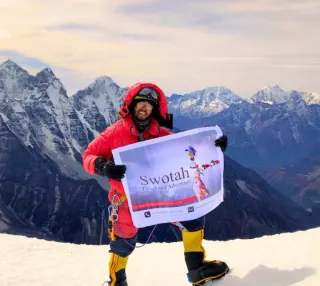
- SwotahGay and LGBTQ treks run as custom-made trips, guide matched on request
Nepal is home to diverse groups of people. People with different backgrounds, castes, religions, and races are bound together, and old prejudices have eased as the country has modernised.
In tourism prospects, Nepal offers a heavenly beauty in front of you with warm and welcoming hospitality you never want to miss. Traveling to Nepal can be really pleasing: anyone can do that with proper planning. But a question always pops out about the LGBTQ tours in the country. Since the country still has many stereotypes and cliches about the community, even though it's in the process of gradual modernization, problems might arise.
Nepal is heart-welcoming, and people are so hospitable. That’s one part of the story. But as an LGBTQ traveler, you may have some questions about traveling to Nepal. Will I be safe? What should I avoid doing or saying? Is there a gay scene in Nepal?
You might be fearing the possible dangers or problems that might come during your stay in the country.
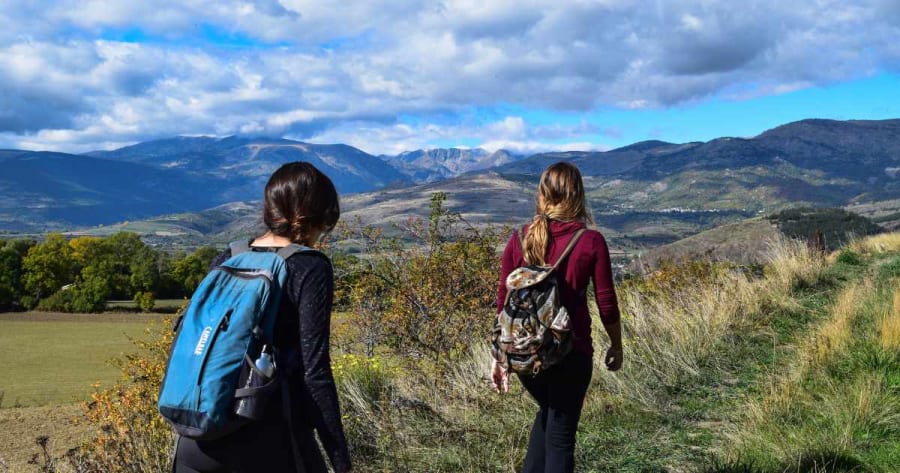
You need not worry about it. We’re here to help. This guide will give you all the information you need to have a safe and enjoyable trip to Nepal, regardless of your orientation or gender identity. We’ll cover everything from the law and the basics of Nepalese culture to Pride, safety and the best places to go.
So read on, and get ready to explore this amazing country safely and authentically as an LGBTQ traveler.
LGBTQ Rights in Nepal: How the Law Changed
While Nepal is a great place to travel for LGBTQ people, it's essential to be aware of the country's stance on LGBTQ rights.
The turning point came in December 2007, when Nepal’s Supreme Court ruled in favour of sexual and gender minorities and ordered the government to protect their rights. In Sunil Babu Pant and Others v. Government of Nepal, the court recognised a third gender based on a person’s own sense of identity, told the government to scrap discriminatory laws, and asked it to study same-sex marriage. That ruling led to “other” as a gender on citizenship certificates in 2013 and on passports, marked “O”, in August 2015.
The next big step came with Nepal’s 2015 Constitution, one of the first in the world to name gender and sexual minorities. Article 12 lets people hold citizenship in their gender identity, Article 18 allows special legal provisions for gender and sexual minorities, and Article 42 includes them in the right to social justice. The 2021 census was the first to count people outside the male and female categories, and 2,928 people chose “other”, a number activists say is far below the real figure. Many individuals and couples have shared their trips and stay in Nepal since.
Since then, Nepal has become one of the more welcoming countries in South Asia for LGBTQ visitors. The law has moved faster than social attitudes, though, and only a few businesses and organisations openly cater to LGBTQ travellers.
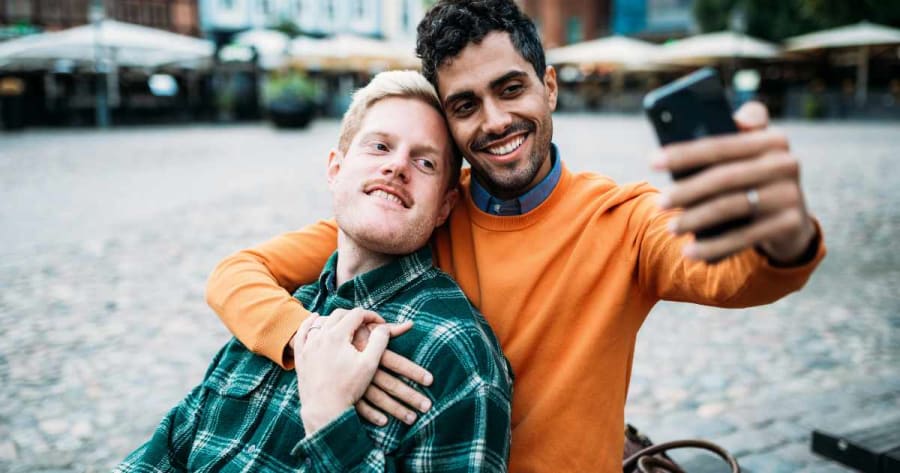
The rights of sexual minorities have continued to advance. In a landmark moment, Nepal registered its first same-sex marriage on 29 November 2023, following a Supreme Court interim order of 28 June 2023, becoming the first country in South Asia to do so. The couple, Maya Gurung, a transgender woman, and Surendra Pandey, registered in Lamjung district. On 18 June 2026 the full bench of the Supreme Court gave its final verdict in favour of same-sex marriage and ordered the government to ensure equal marriage rights. The National Civil Code still defines marriage as between a man and a woman, and some local registrars have turned couples away, so the law is still catching up with the court. If you hope to marry in Nepal, get legal advice first, because your home country may not recognise a Nepali certificate.
Just like others, people from LGBTQ visit Nepal to relive the advantage of natural beauty and adventurous activities. Same-sex relationships are legal, and no law targets LGBTQ visitors.
Groups such as the Blue Diamond Society, founded in 2001 by Sunil Babu Pant, work to make people aware of their rights. Since Nepal still has conservative societies in rural areas, there can be issues with the LGBTQ community.
LGBTQ Rights in Nepal: Timeline
| Year | What happened |
|---|---|
| 2001 | Blue Diamond Society founded in Kathmandu |
| December 2007 | Supreme Court rules for sexual and gender minorities in Sunil Babu Pant v. Government of Nepal |
| 2013 | First citizenship certificates with “other” as gender |
| August 2015 | First passport with gender marked “O” |
| September 2015 | New constitution names gender and sexual minorities (Articles 12, 18 and 42) |
| 2021 | First census to count people outside male and female (2,928 people) |
| 28 June 2023 | Supreme Court interim order to register same-sex marriages |
| 29 November 2023 | First same-sex marriage registered, Lamjung district |
| 18 June 2026 | Supreme Court final verdict in favour of same-sex marriage |
Cultural and Social Expectations for LGBT People in Nepal
As an LGBT traveler in Nepal, you should know a few things about the cultural and social expectations for LGBT people here.
Nepal is a largely conservative country, and while attitudes toward homosexuality are gradually changing, there is still a lot of discrimination and harassment against LGBTQ people. Same-sex relationships are not illegal in Nepal, and the constitution now names gender and sexual minorities among the groups the state must protect. Enforcement is patchy, though, and activists still report harassment, especially of transgender people.
Public affection is kept low-key in Nepal for every couple, gay or straight. Friends of the same sex often hold hands in the street and nobody looks twice, but kissing in public draws stares wherever you are from. On treks, two men or two women sharing a twin room in a teahouse is completely normal, because friends travel that way all the time.
| Where | What to expect |
|---|---|
| Kathmandu (Thamel, Lazimpat, Jhamsikhel) | Most relaxed, small LGBTQ scene, used to international visitors |
| Pokhara Lakeside | Easygoing tourist strip, few questions asked |
| Trekking teahouses | Shared twin rooms are normal, hosts rarely ask about relationships |
| Villages and small towns | More conservative, be discreet and follow local cues |
| Temples and monasteries | Dress modestly and keep affection private, as everyone is expected to |
Must-Visit Destinations for LGBT Travelers in Nepal
As an LGBTQ traveler in Nepal, specific destinations are a must-visit. Here are some of our favorites:
The ancient city of Kathmandu is a popular destination for tourists of all kinds, and it has a small LGBTQ scene. Openly queer bars come and go, so check recent traveller reports or ask the Blue Diamond Society, and Thamel’s mixed bars and restaurants are relaxed about who you are with.
Another great spot is Pokhara, known for its lake and mountain views. Lakeside’s tourist strip is used to visitors from all over the world, and its relaxed, open atmosphere makes it an easy stop for LGBT travellers.
If you're looking for a more secluded getaway, head to Begnas Lake near Pokhara or the laid-back jungle town of Sauraha beside Chitwan National Park. Both are popular with travellers seeking quiet, low-key places to stay.
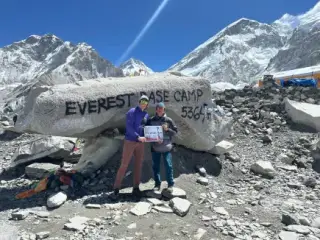
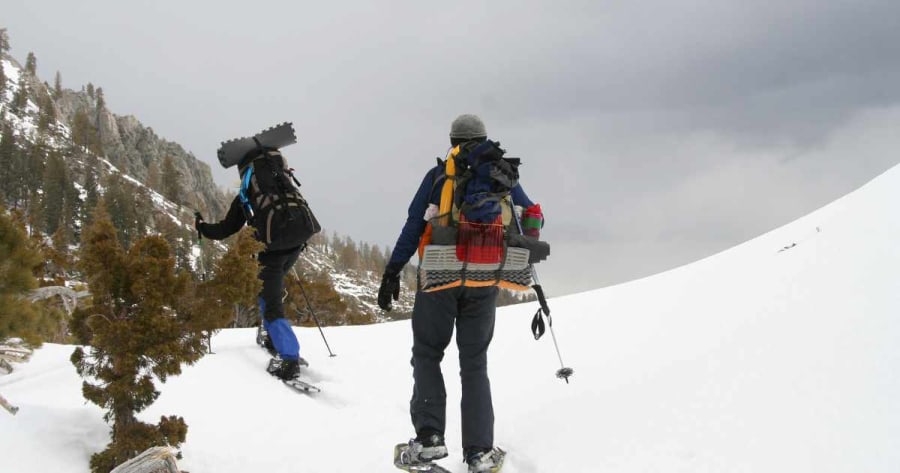
Besides those, if you are planning a trek, then Annapurna Base Camp, Everest Base Camp, and the Shey Phoksundo Lake in Lower Dolpo might be the cup of your tea. A licensed guide is required on most trekking routes, which also means you have a local on your side if anything feels off.

Tips on Staying Safe as an LGBTQ Traveler in Nepal
No matter who you are, exploring a new place always comes with a safety risk. As an LGBTQ traveler, it's essential to be aware of your surroundings and take the necessary steps to ensure your safety.
First, research the laws and cultural norms that relate to the LGBT community in Nepal. This can help you avoid any potential legal or social issues. Then, if possible, connect with local LGBTQ organizations in Nepal, such as the Blue Diamond Society, that can provide you with helpful information and guidance.
Always be mindful of how you dress and act in public, as certain cultural customs or behaviors can draw unwanted attention. Wherever possible, travel with a companion who supports the LGBTQ community and can help ensure your safety.
And finally, make sure to plan by familiarizing yourself with where you're going and having a general idea of where you'd like to stay before arriving at your destination.
LGBTQ Events and Gatherings in Nepal
Nepal is quickly becoming a more LGBTQ-friendly destination. Same-sex relationships are fully legal in Nepal. Despite this, there are still some cultural taboos surrounding homosexuality, and it can be challenging to find queer-friendly spaces.
That being said, there are several LGBTQ events and gatherings in Nepal that you can visit if you want to meet other queer people. Swotah Travel runs gay and LGBTQ treks and tours as custom-made trips, planned around what you and your partner or friends want from the route, the dates and the pace.
Kathmandu marks Pride twice a year. The Blue Diamond Society’s Nepal Pride Parade walks through the city on Gai Jatra, the Newar festival of remembrance, which falls in August or early September (29 August in 2026). The 2025 march was the 22nd and drew about 1,200 people from Narayan Chaur in Naxal to Basantapur Durbar Square, ending with candles for community members who had died that year. Youth-led queer groups also hold a smaller Pride event in June. So if you’re traveling, then be sure to check out what events are happening and join in on some fun!
Accommodation Options for LGBTQ Travelers in Nepal
When it comes to finding accommodation, you'll be happy to know that there are plenty of options for LGBT travelers in Nepal. There are various choices, from hotels and hostels in the cities to homestays and camping in rural areas.
If you're looking for a hotel or hostel, do plenty of research beforehand. The best way to find a safe place is to read online reviews from other LGBTQ travelers. Some hotels have even started advertising as LGBTQ-friendly, so that's an easy way to make sure you'll be in an accepting environment.
Another way to make sure your accommodation is LGBTQ-friendly is to tell your tour operator up front, so they can pick hotels and guides that suit you. For a more authentic local experience, homestays are also a great option. Read reviews carefully before booking.
International chains in Kathmandu, such as Hyatt Regency, Crowne Plaza, Marriott, Aloft and Taj-affiliated properties, are used to guests from everywhere and tend to be the most predictable choice.
Plan an LGBTQ-Friendly Trip to Nepal with Swotah
Swotah runs gay and LGBTQ treks and tours as custom-made trips rather than set departures. Tell us who you are travelling with and what you want to see, and if you ask, we try to match your guide to your preferences, such as experience, language, gender or age. Our guides are trained and certified.
| Trip | Days | Why it suits | From (group departure) |
|---|---|---|---|
| Best of Nepal Tour | 12 | Kathmandu, Pokhara and Chitwan in one trip | USD 1,010 |
| Chitwan Jungle Safari | 7 | Quiet jungle lodges, rhinos and canoe rides | USD 800 |
| Annapurna Base Camp Trek | 14 | Classic teahouse trek, base camp at 4,130 m | USD 1,000 |
| Everest Base Camp Trek | 14 | The big one, base camp at 5,364 m | USD 1,620 |
| Lower Dolpo Trek | 19 | Remote, few trekkers, Shey Phoksundo Lake | USD 3,895 |
Swotah can arrange any of these as a private trip, just for you and your partner or friends. Get in touch and tell us what you have in mind.
LGBTQ Travel in Nepal: FAQs
Does Swotah run gay or LGBTQ treks?
Yes, as custom-made trips. Swotah plans the trek or tour around your group’s route, dates and pace, and if you ask, tries to match your guide by experience, language, gender or age. There are no set annual departures.
Is it legal to be gay in Nepal?
Yes. Same-sex relationships are legal, and no law targets LGBTQ visitors. The Supreme Court ruled in favour of sexual and gender minorities in December 2007, and the 2015 Constitution names gender and sexual minorities among the groups the state must protect.
Is same-sex marriage legal in Nepal?
The Supreme Court says yes. It ordered temporary registration in June 2023, the first couple registered in November 2023, and the full bench gave its final verdict on 18 June 2026. The civil code has not yet been updated, so some local offices still refuse to register couples.
Is Nepal safe for gay and lesbian travellers?
Yes, for most visitors. Violence against tourists is rare. The main thing to watch is public affection, which Nepalis keep private whatever their orientation. Cities and trekking routes are relaxed, and villages are more conservative.
Can two men or two women share a room on a trek?
Yes. Friends of the same sex share twin rooms in teahouses all the time, so nobody will think twice. Double beds are rarer in the mountains, so ask your operator if you want one.
When is Pride in Kathmandu?
The main march is on Gai Jatra, which falls in August or early September (29 August in 2026). The Blue Diamond Society organises it, and the 2025 march drew about 1,200 people. A smaller Pride event also takes place in June.
Final Thoughts on LGBTQ Travel in Nepal
Nepal is a safe and welcoming destination for LGBTQ travelers, as long as you take some basic precautions and research your trip in advance. You don’t need to hide who you are in Nepal, though public affection is best kept low-key, as Nepali couples do, and you’ll find chances to meet other LGBTQ travelers and locals during your stay. Just be respectful of local culture and customs, and you will enjoy exploring this beautiful country.