


Why Visit Nepal in 2027: 10 Reasons Nepal Will Change You Forever
Nepal is one of those rare countries that leaves a permanent mark on your soul. Whether you are drawn by the mountains, the culture, or the warmth of its people, a trip to Nepal is never just a holiday, it is a transformation. With mountain routes more accessible than ever, a thriving community-tourism scene, and the sheer timelessness of the Himalayas, 2027 is an extraordinary year to make the journey. Here are ten reasons why Nepal belongs at the top of your travel list.
1. Home of the World's Highest Peaks
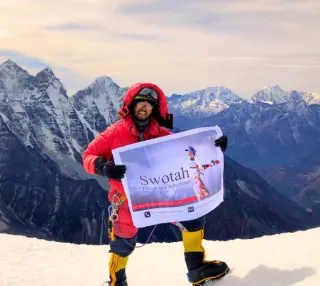
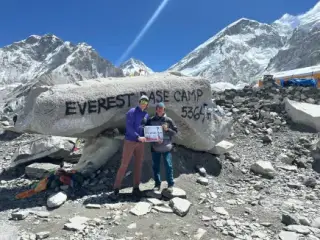
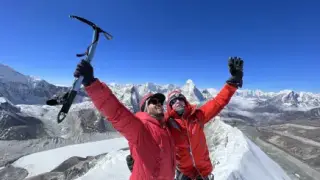
Nepal is home to eight of the ten highest mountains on Earth, including Mount Everest at 8,849 metres, the highest point on the planet. Whether you stand at Everest Base Camp after a twelve-day trek or gaze at the white-capped peaks from Kathmandu's Nagarkot viewpoint, the scale and beauty of the Himalayas is simply beyond words.
2. Trekking for Every Level
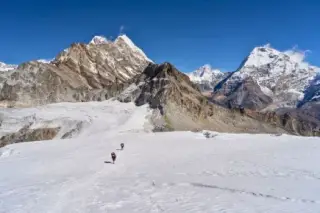
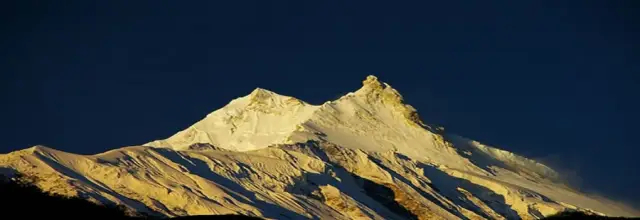
Few countries offer the variety of trekking experiences that Nepal does. From gentle tea-house trails in the Annapurna foothills to multi-week high-altitude routes like the Everest Base Camp Trek and the Manaslu Circuit, there is a trail for every fitness level. You don't need to be an expert mountaineer, you just need the desire to walk.
3. Warm and Genuine Hospitality
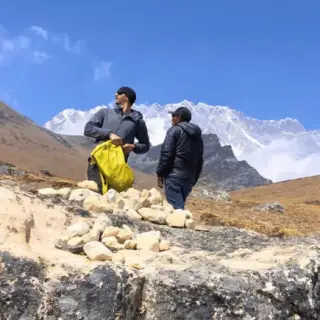
The people of Nepal are among the most welcoming in the world. Smiles here are not performative, they are genuine. You will be invited in for tea, welcomed into communities with open arms, and treated with a kindness that stays with you long after you return home. The ancient concept of "Atithi Devo Bhava", the guest is God, runs deep in Nepali culture.
4. Rich Cultural and Spiritual Heritage
Nepal is the birthplace of Lord Buddha and home to some of the most sacred Hindu temples on Earth. From the golden Pashupatinath Temple on the banks of the Bagmati River to the ancient stupas of Boudhanath and Swayambhunath, every corner of Nepal tells a story thousands of years old. Kathmandu's three UNESCO-listed Durbar Squares bring history to life in the heart of the city.
5. Incredibly Affordable Travel
Nepal is remarkably affordable. A comfortable guesthouse, a hearty dal bhat meal, and a full day of trekking can cost a fraction of what you would spend in Europe or North America. This means you can travel longer, go further, and experience more without stretching your budget.
6. Extraordinary Biodiversity
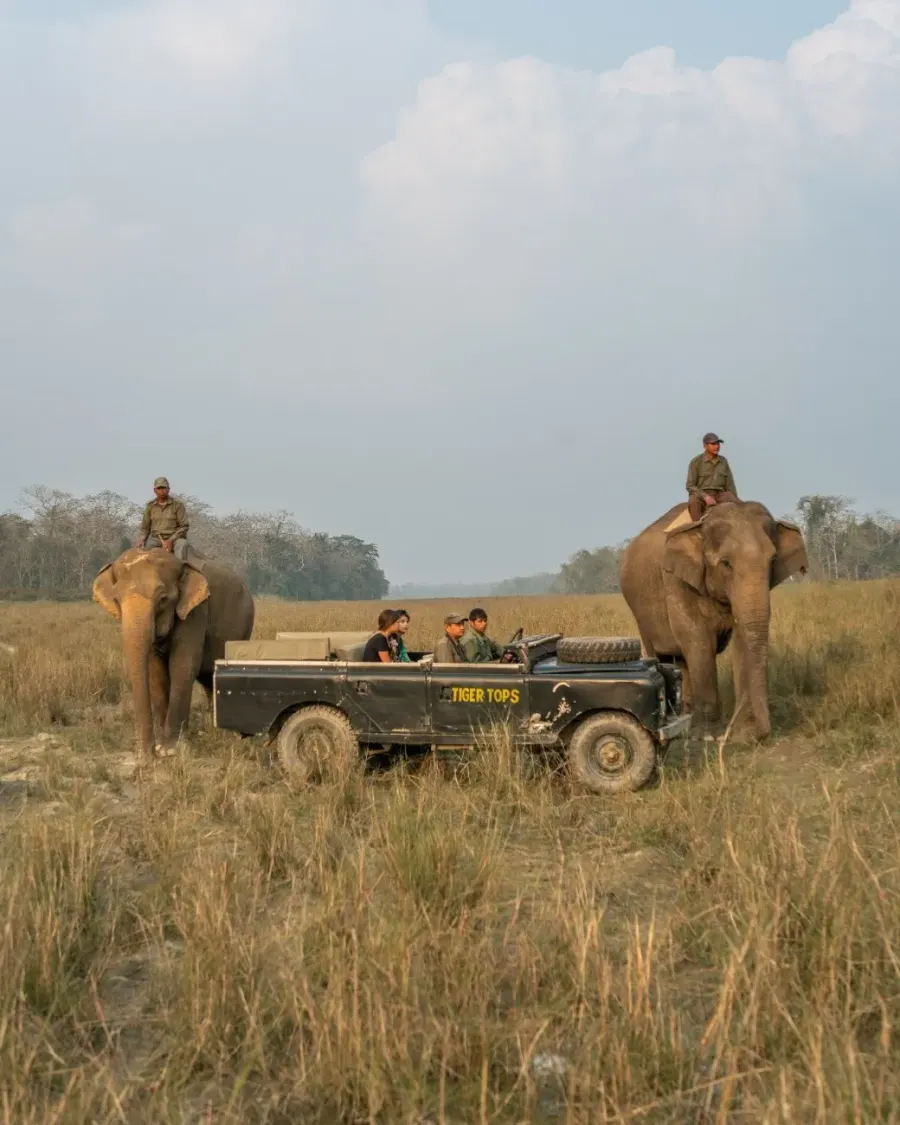
From the subtropical lowlands of Chitwan National Park, where you can spot rhinos, tigers, and wild elephants, to the alpine meadows above 5,000 metres, Nepal's ecosystems are extraordinary. With over 900 bird species and more than 7,000 plant species, Nepal is a paradise for naturalists and wildlife lovers alike.
7. Festivals All Year Round
Nepal celebrates over 50 festivals a year, many of which are open to visitors. Dashain, Tihar (the Festival of Lights), Holi, and Indra Jatra fill the streets with colour, music, and tradition. No matter when you visit, there is likely a celebration happening nearby.
8. A True Digital Detox
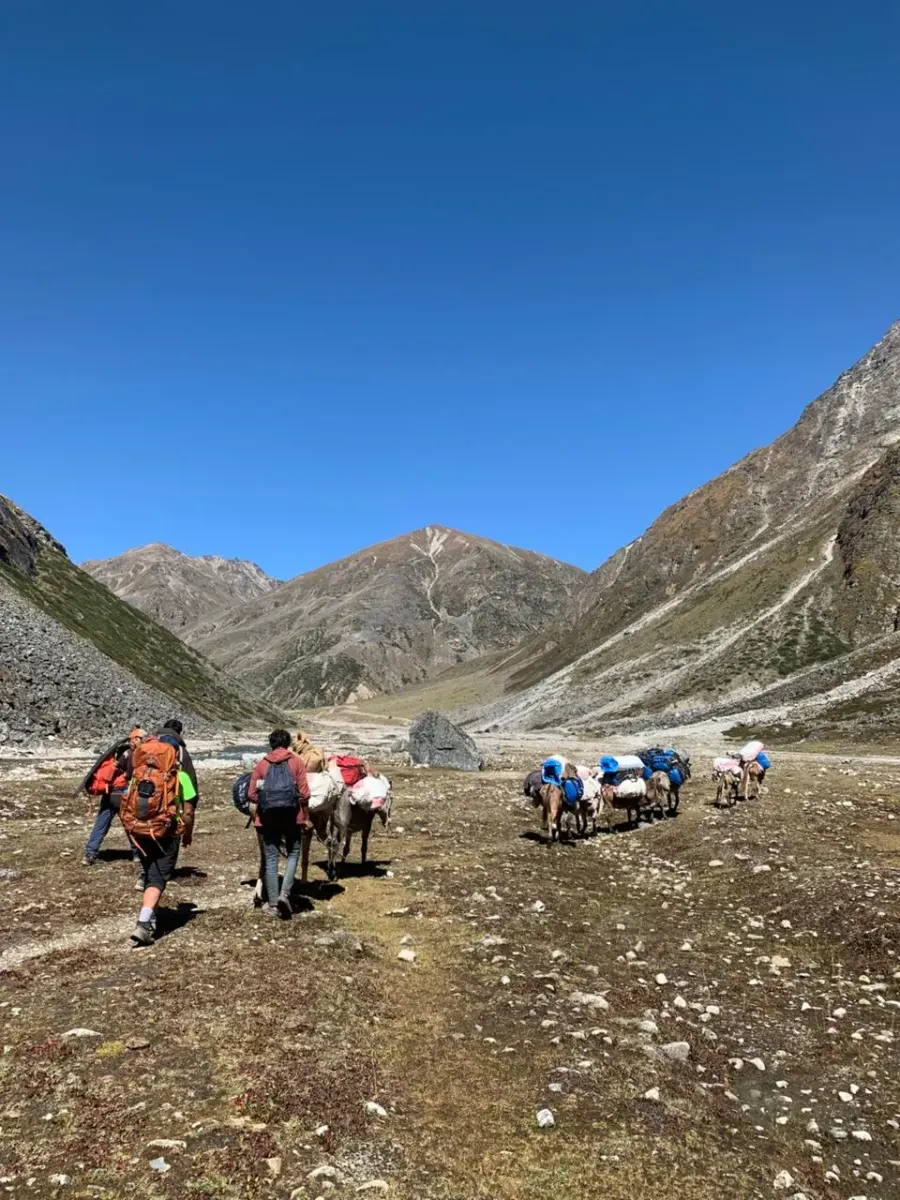
On the trekking trails, connectivity fades and the noise of modern life disappears. Walking through rhododendron forests, crossing suspension bridges over glacial rivers, and sleeping in stone tea-houses beneath a sky full of stars, Nepal offers a rare chance to disconnect from the world and reconnect with yourself.
9. Adventure Beyond Trekking
Nepal is not just about trekking. White-water rafting on the Trishuli and Seti rivers, paragliding over Pokhara's Phewa Lake, mountain biking through Kathmandu Valley, and bungee jumping near the Bhote Koshi Gorge, Nepal is a full-spectrum adventure destination for the bold traveller.
10. Travel That Gives Back
When you travel with a responsible operator like Swotah Travel, your trip directly supports local guides, porters, teahouse owners, and mountain communities. Tourism is Nepal's largest industry. Every trek you complete and every night you spend in a local lodge helps sustain the communities and landscapes that make Nepal so extraordinary.
Nepal at a Glance for Trip Planning
- Visa: on arrival for most nationalities, USD 30 (15 days), USD 50 (30 days), USD 125 (90 days); Indian citizens need no visa.
- Daily budget on trek: USD 25 to 35 per person covers teahouse room and meals; guides cost USD 25 to 30 per day.
- Best months: October-November and March-May for the classic routes; June-September for the rain-shadow regions of Mustang and Dolpo.
- Getting there: Tribhuvan International Airport in Kathmandu, with direct flights from Delhi, Mumbai, Bengaluru, Doha, Dubai, Istanbul, and most Asian hubs; overland entry from India at six major border crossings.
- Highest points for trekkers: Everest Base Camp 5,364 m, Kala Patthar 5,644 m, Thorong La 5,416 m; no mountaineering skills required for any of them.
- Connectivity: tourist SIMs from Ncell or NTC cost a few hundred rupees; expect patchy signal and teahouse Wi-Fi vouchers above 3,500 m.
What's New for 2026 and 2027
A few recent changes are worth knowing before you book. Solo trekkers can now obtain restricted area permits for regions like Upper Mustang and Manaslu (the two-person minimum was scrapped in March 2026), provided a licensed guide comes along. Government offices and banks moved to a Saturday-Sunday weekend in April 2026, so plan visa extensions and money changing on weekdays. Pokhara and Bhairahawa both have international airports now, opening alternative routes in, and during peak trekking seasons Lukla flights operate from Manthali rather than Kathmandu, which adds a pre-dawn drive worth building into any Everest itinerary. Full details are in our guides to trekking permits and offseason trekking.
When Should You Visit Nepal?
October and November deliver the year's most reliable weather: clear post-monsoon skies, comfortable trekking temperatures, and the Dashain and Tihar festival season. March to May is the second peak, when rhododendron forests bloom red across the mid-hills and the high passes reopen. December to February is cold at altitude but rewards winter visitors with the sharpest mountain views and the quietest trails, while June to September, the monsoon, is the ideal window for the rain-shadow regions of Upper Mustang and Dolpo. Our guide to offseason trekking in Nepal covers how to make the quiet months work for you.
How Long Do You Need?
- One week: Kathmandu's heritage sites, a short trek such as Poon Hill, and a day or two in Pokhara.
- Two weeks: a full classic trek, Everest Base Camp or the Langtang Valley, with city days on either side.
- Three weeks or more: combine a major trek with a Chitwan safari and Lumbini, or take on the Annapurna Circuit at a humane pace.
Before You Go
Three practical reads cover the groundwork: our Nepal tourist visa guide (USD 30 to 125, most nationalities on arrival), the trekking permits guide for whichever route you choose, and what to expect on your first arrival at Tribhuvan Airport.
Ready to plan your 2027 Nepal adventure? Explore our treks and tours, led by guides who were born and raised in the Himalayas. For more inspiration, read 18 reasons to visit Nepal in 2026 or discover the fascinating facts about Nepal that most visitors never know.