
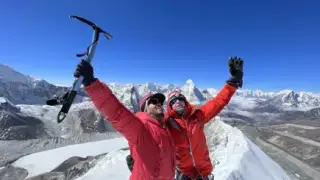
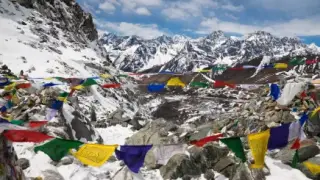


The places you see on a standard 14-day Everest Base Camp trek are Lukla, Sagarmatha National Park, Namche Bazaar, Tengboche Monastery, the Khumbu Glacier, Everest Base Camp (5,364 m) and Kala Patthar (5,545 m), the best viewpoint for Everest. With one extra day you can add the Chhukung valley from Dingboche. The Gokyo Lakes need about four more days via Cho La, and Island Peak (6,189 m) is a separate climb of about 18 days in total.
- Trek length14 days
- Namche Bazaar3,440 m
- Tengboche3,867 m
- Everest Base Camp5,364 m
- Best viewpointKala Patthar, 5,545 m
- Side tripChhukung valley, 1 extra day
- Gokyo LakesAbout 4 more days via Cho La
If you're planning your trek to Everest Base Camp in Nepal, you're in for an incredible adventure. You walk to the foot of the world's highest mountain, and on the way you pass some of the most beautiful and fascinating places on Earth.
Seven of these places are on the standard route. Three need extra days, and the table below shows which.
Here are 10 favorite places to visit on your trek.
- Indulge the Beauty of Lukla
- Explore the Iconic Khumbu Glacier
- Get to Know the Namche Bazaar
- Trek Through the Sagarmatha National Park
- Hike to Kala Patthar for an Unforgettable View
- Reach Everest Base Camp and Go Beyond
- Soak in the Tengboche Monastery
- Conquer the Chhukung Valley
- Climb Island Peak for a Challenging Summit
- Take a Detour to Gokyo Lakes
1. Indulge the Beauty of Lukla
Lukla is a small town in the Solu-Khumbu region of Nepal, located at an altitude of about 2,860 meters (9,383 feet) in the Himalayas. It is known as the starting point for trekkers heading to Everest Base Camp, and its short, sloping Tenzing-Hillary Airport runway is an experience in itself.

Lukla sits on a shelf high above the Dudh Koshi River, with Kongde Ri and Karyolung rising across the valley. Everest itself isn't visible from here. Your first view comes on the climb to Namche. The town is a single stone-paved street of lodges, gear shops and bakeries, with Sherpa houses and a small monastery at its edge.
2. Explore the Iconic Khumbu Glacier
The Khumbu Glacier is an iconic landmark of the Everest Base Camp Trek. The glacier flows down from the Western Cwm beneath Everest itself, and you walk beside its rubble-covered ice for the final days above Gorak Shep.
Its head lies in the Western Cwm at around 7,600 m, which makes it the highest glacier in the world. From Lobuche onwards you walk on its lateral moraine, and at base camp you stand beside the Khumbu Icefall, the jumble of seracs every Everest climber has to cross first. The yeti legends belong to this valley too. The monastery at Khumjung, above Namche, keeps a so-called yeti scalp that monks show to visitors.
3. Get to Know the Namche Bazaar
You'll spend plenty of time in Namche Bazaar, the unofficial "capital" of the Everest region. This lively town of about 1,600 people, at 3,440 m, has dozens of bakeries, cafes and gear shops, a Saturday market, the Sherpa Culture Museum and the national park visitor centre. You spend two nights here to acclimatise.
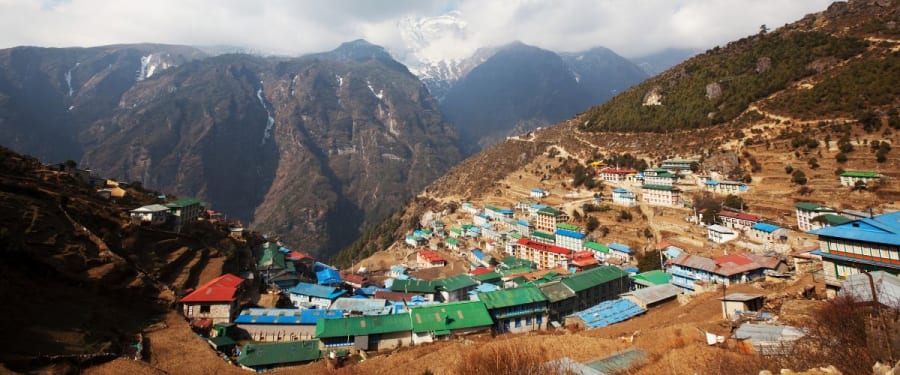
A word to the wise: Namche is also a popular spot for outfitters and trekking agencies to do business, so you'll want to be careful about choosing one. Do your research in advance, and make sure you feel comfortable with the operator you go with.
4. Trek Through the Sagarmatha National Park
Sagarmatha National Park was created in 1976 and listed as a UNESCO World Heritage Site in 1979. It covers 1,148 sq km of the upper Khumbu, and you enter it at the park gate in Monjo, where your permit is checked. Everest is its best-known resident, but the park holds far more than the mountain.

The park contains lush forests, glistening rivers, and lovely villages. You'll also get to see the incredible Khumbu Glacier, which is one of the largest glaciers in the Himalayas. Look out for Himalayan tahr on the slopes below Namche and the Danphe (Himalayan monal), Nepal's national bird, near Tengboche. Musk deer and snow leopards live here too, though you're unlikely to see a leopard.
5. Hike to Kala Patthar for an Unforgettable View
Ready for another adventure? Then let’s go to Kala Patthar! Kala Patthar sits at an elevation of 5,545 meters, the highest point of the trek and the perfect spot to get a spectacular view of Everest.
To reach Kala Patthar, you'll have to hike up a steep ridge with a few false peaks that make it feel like you're almost there. The views are well worth it. Once you reach the summit, you'll be able to see Everest in its full glory, as well as Nuptse, Changtse, Pumori and the Khumbu Icefall below.
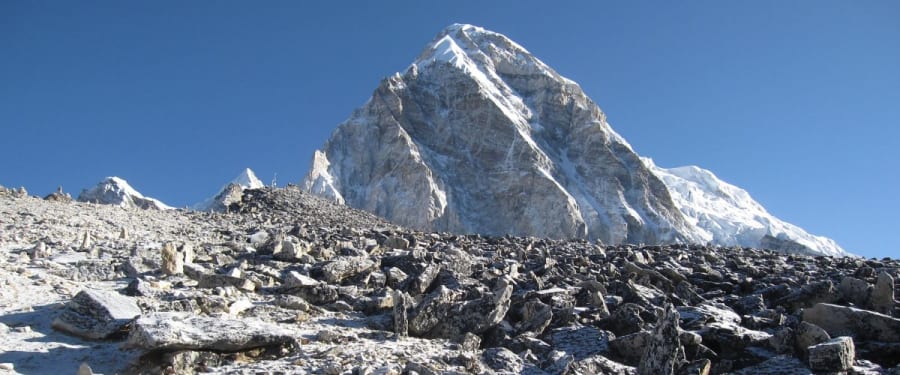
Kala Patthar is also known for being one of the most photogenic spots on the Everest Base Camp Trek. So remember your camera! It will be difficult not to snap away at such an incredible sight!
6. Reach Everest Base Camp and Go Beyond
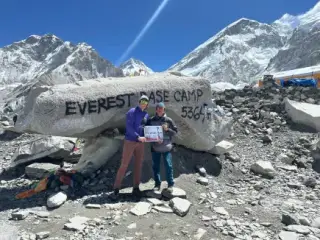
If you're looking for a once-in-a-lifetime experience, then you should add reaching the Everest Base Camp to your itinerary. This is truly a magical place that will leave you speechless with its breathtaking views of the snow-capped peaks of the Himalayas.
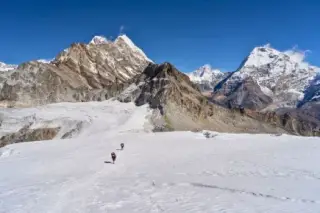
On this trek, you'll go beyond to unforgettable places like Kalapatthar and Chola Pass. Kalapatthar offers a 360-degree view of some of the most stunning mountain scenery imaginable. And the Cho La (5,420 m) links the Base Camp trail with the Gokyo valley, a wild glacier crossing that turns the classic route into a circuit.

So if you're looking for an adventure that will take your breath away and fill you with a sense of accomplishment, then an Everest Base Camp Trek is one of the best experiences life has to offer.
7. Soak in the Tengboche Monastery
A place you definitely will want to take advantage of is the beautiful Tengboche Monastery. Found at 3,867 meters (12,687 feet), it's the largest monastery in the Khumbu, first built in 1916 and rebuilt after a fire in 1989. While you're here, take time to soak in the gorgeous architecture and spiritual vibes that emanate from it.
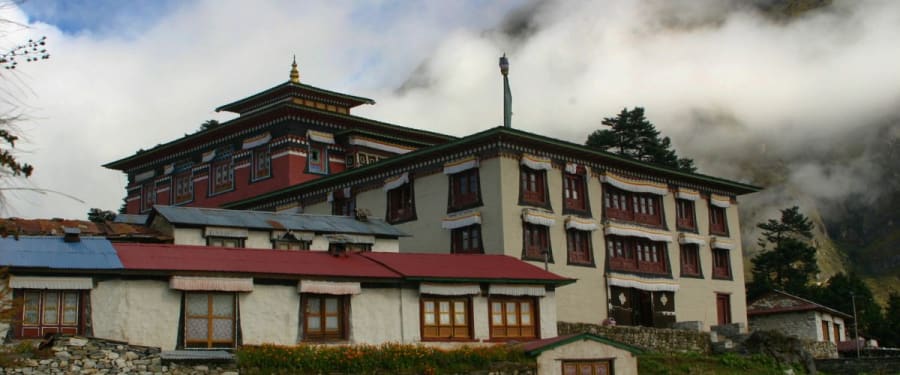
Beyond its beauty, the monastery offers incredible views of Mount Everest and other peaks, such as Ama Dablam and Mt. Lhotse. Visitors can sit quietly at the back of the afternoon prayers, usually around 3 pm. If your trek falls in October or November, check the dates of Mani Rimdu, the monastery's masked-dance festival, which is held here every autumn.
Whether or not you venture inside, this is one stop along your trek that you will want to take advantage of!
8. Conquer the Chhukung Valley
Chhukung (4,730 m) is a small summer settlement at the head of the Imja valley, a three-hour walk east of Dingboche. It isn't on the standard route, so it needs an extra day.
Above the village, the climb to Chhukung Ri (5,550 m) is steep and long, but the summit faces the Lhotse south face, one of the biggest walls in the Himalayas. Ama Dablam and Cho Polu stand close by.
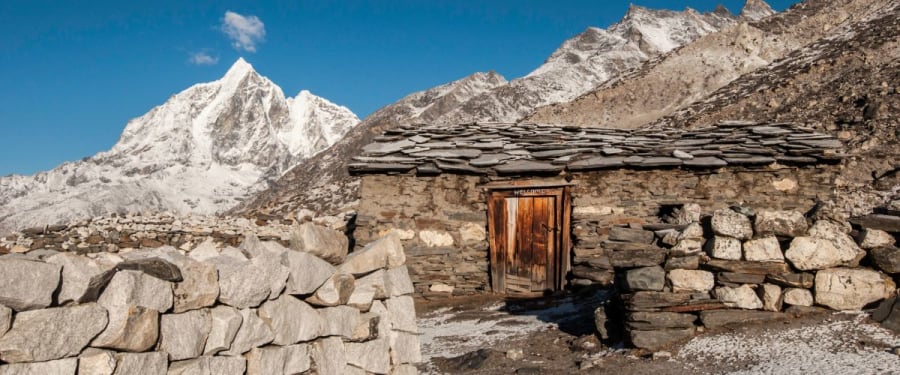
When you reach the end of the valley, be sure to enjoy a moment of peace. Here's your chance to admire Island Peak close at hand and Makalu, the fifth-highest mountain on Earth, away on the horizon. It's an experience that's genuinely worth savoring!
9. Climb Island Peak for a Challenging Summit
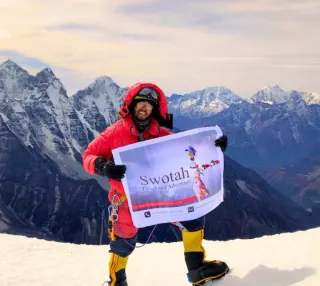
Next on the list is Island Peak, also known as Imja Tse. This mountain top rewards trekkers with stunning panoramic views of the Himalayas. Its summit rests at 6,189 meters and is perfect for an advanced climb.
If you choose to take on this epic challenge, you'll need to ensure you have the right gear and experience beforehand. But if you do go to the summit, you'll be rewarded with some of the most beautiful views and a sense of accomplishment.

Most climbers do it after Everest Base Camp, when they're already acclimatised. You need a climbing permit, a climbing guide, crampons, a harness and basic rope skills. Our Island Peak climb takes 18 days from Kathmandu.
10. Take a Detour to Gokyo Lakes
If you have four more days, add the Gokyo Lakes. This fantastic area, located near the village of Gokyo, comprises six emerald-green lakes surrounded by majestic glaciers and snow-covered peaks. The main lakes (Thonak Cho, Gyazumpa Cho, Tanjung Cho, Ngozumpa Cho, and Longpanga Cho) are beautiful in their own right, but it is Gokyo Cho, also called Dudh Pokhari, lying right beside Gokyo village, that will truly take your breath away.

Together the lakes form the highest freshwater lake system in the world, protected as a Ramsar wetland at around 4,700 to 5,000 metres, with Thonak Cho the largest of the group. Climb Gokyo Ri (5,357 m) above the village for the view of four 8,000 m peaks at once: Cho Oyu, Everest, Lhotse and Makalu, with Gyachung Kang beside Cho Oyu. Don't forget to take some time to explore this magical place before continuing onward with your journey!
The 10 Places at a Glance
Highest point of each place, and whether you'll see it on our standard 14-day Everest Base Camp trek. Day numbers count from your flight to Lukla.
| Place | Highest point | Standard trek? | When |
|---|---|---|---|
| Lukla | 2,860 m | On the route | Day 1 |
| Sagarmatha National Park (Monjo gate) | 2,835 m | On the route | Day 2 |
| Namche Bazaar | 3,440 m | On the route | Days 2 to 3 |
| Tengboche Monastery | 3,867 m | On the route | Day 4 |
| Chhukung and Chhukung Ri | 5,550 m | Side trip | +1 day from Dingboche |
| Khumbu Glacier | 4,940 m | On the route | Days 7 to 8 |
| Everest Base Camp | 5,364 m | On the route | Day 8 |
| Kala Patthar | 5,545 m | On the route | Day 9, at sunrise |
| Gokyo Lakes and Gokyo Ri | 5,357 m | Extension | About 4 extra days |
| Island Peak summit | 6,189 m | Extension | Separate climb |
Smaller Stops Worth Your Time
Hotel Everest View (3,880 m), on the acclimatisation hike above Namche, has a terrace where you can drink coffee facing Everest. Khumjung, just over the ridge, has the Hillary School, founded in 1961, and the monastery with the yeti scalp. Pangboche, an hour past Tengboche, has the oldest monastery in the Khumbu. On the way to Lobuche, the memorial cairns at Thukla Pass remember climbers and Sherpas who died on Everest, including Scott Fischer and Babu Chiri Sherpa.
Plan Your Route
The Everest Base Camp trek gives you the world's highest mountain and seven of these ten places in two weeks. Book the classic Everest Base Camp Trek, or combine the best of both valleys on our Gokyo Ri with Everest Base Camp itinerary. Wondering about the altitude? Start with our guide to the elevation of Everest Base Camp.
Places to Visit on the Everest Base Camp Trek: FAQs
What is the best viewpoint on the Everest Base Camp trek?
Kala Patthar (5,545 m), above Gorak Shep. Everest Base Camp itself sits too close under the mountain to see the summit, so most trekkers climb Kala Patthar at sunrise for the classic view.
Can you see Everest from Namche Bazaar?
Not from the village itself. Walk 20 minutes up to the national park visitor centre or the ridge above town and you'll see Everest's summit behind the Nuptse-Lhotse wall on a clear morning.
Can I visit Gokyo Lakes and Everest Base Camp on one trek?
Yes, by crossing Cho La (5,420 m). It takes about 18 days from Kathmandu, against 14 for the standard trek. Our Gokyo Ri with Everest Base Camp trek follows this route.
Can trekkers visit Tengboche Monastery?
Yes. The prayer hall is open to visitors outside private ceremonies. Take your shoes off, walk clockwise, and ask before taking photos inside.