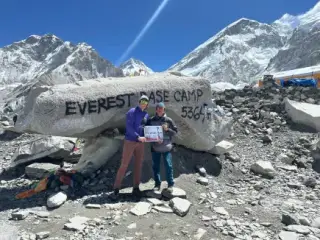

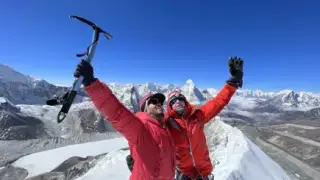
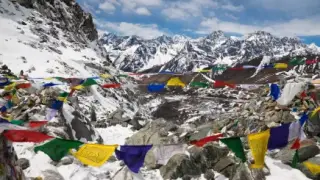


Gorak Shep (5,170 m) is the last overnight stop on the Everest Base Camp trek and the highest place you sleep. It's a cluster of seasonal lodges on a frozen lakebed beside the Khumbu Glacier, about three hours from Lobuche. Most trekkers arrive by late morning, walk to Everest Base Camp (5,364 m) and back in the afternoon, then climb Kala Patthar (5,545 m) at dawn for the classic Everest view before heading down. Expect basic rooms, nights well below freezing and Everest Link Wi-Fi.
- Altitude5,170 m / 16,962 ft
- From LobucheAbout 3 hours
- To Everest Base Camp2 to 3 hours each way
- To Kala Patthar1.5 to 2 hours up
- NightsUsually 1
- FacilitiesBasic lodges, Everest Link Wi-Fi, paid charging
Imagine a remote village nestled in the lap of the majestic Himalayas, surrounded by the most breathtaking views of the world’s highest peaks. This is Gorakshep, the last stop of the famous Everest Base Camp (EBC) trek.
This once-in-a-lifetime experience is a must for any adventure lover. You'll see some of the most beautiful scenery in the world, and you'll get a chance to learn about the culture and history of the Himalayas.
Overview of Gorakshep Village: The Last Stop of EBC Trek
Gorakshep is a small village in the Solu-Khumbu region of Nepal, near Mount Everest. It is the last overnight stop on the famous Everest Base Camp (EBC) trek, two to three hours' walk from the base camp itself.
The village is situated at an altitude of 5,170 meters (16,962 feet) and is home to a few guesthouses and lodges that provide accommodation and meals for trekkers. Gorakshep is the highest place you sleep on the trek, so it's the night when altitude bites hardest. Most trekkers drop their bags here, eat lunch and walk to base camp the same afternoon, over two to three hours of rough moraine beside the Khumbu Glacier.
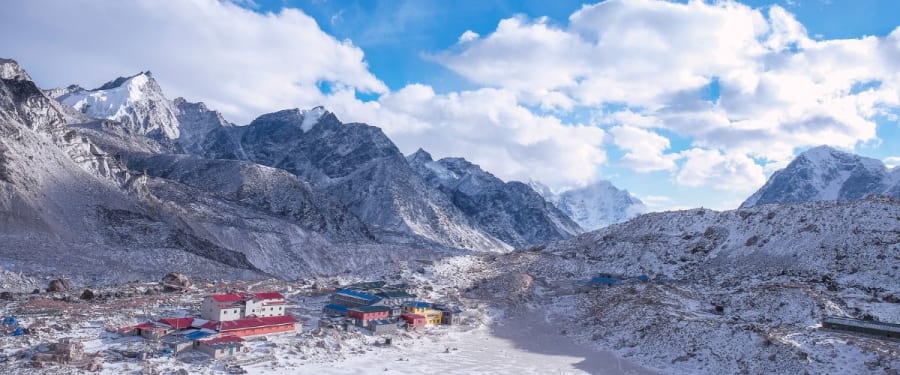
Gorakshep is also the starting point for the climb to Kala Patthar (5,545 m), the viewpoint with the best close-up view of Everest on the whole trek. Climbers heading for Lobuche Peak start from Lobuche, the stop below.
What to Expect From the Last Stop of the EBC Trek?
Your Gorakshep Village trek is ending, and this is the last stop before returning to Lukla. You'll have fond memories of the journey, but make sure to soak in the sights and sounds of Gorakshep Village before departing.
This settlement is perched at an elevation of 5,170 meters beside a frozen sandy lakebed. It has a handful of lodges and not much else. Leave the souvenir shopping for Namche.
Be sure to climb Kala Patthar for the views of Mount Everest, Lhotse and Nuptse. From the village itself Nuptse hides most of Everest. You'll also get a chance to see the glistening Khumbu Glacier. Spend some time relaxing in the village before your return trip to Lukla.
Understand the History and Culture of Gorakshep
When you reach Gorakshep, you will understand why it is such an essential stop on the EBC Trek, and its story is younger and stranger than most villages in the Khumbu.
Gorak Shep is not an ancient settlement at all: its sandy lakebed was used as a camp by the first Everest expeditions from Nepal in the early 1950s, and its name translates roughly as "dead ravens" in Sherpa. Only later did lodges appear to serve trekkers.
There is no permanent population and no monastery here. The handful of lodges are run seasonally by Sherpa families from lower villages, who are happy to share stories from the trail. Soak up the strange, end-of-the-world atmosphere.
Explore the Magnificent Landscapes of Gorakshep
As you explore Gorakshep, you'll see some of the most magnificent landscapes on Earth. Towering mountains line the horizon, and the grey rubble of the Khumbu Glacier fills the valley. The village sits on the edge of the Khumbu Glacier beneath Pumori and Kala Patthar, making it the perfect spot to take in the stunning views.
Climb Kala Patthar on a clear morning and Mount Everest fills the view. This is the tallest mountain in the world and an awe-inspiring sight to behold. Gorakshep is a true paradise for nature lovers, and it's easy to understand why this is such a popular trekking destination.
Plan Your Trekking Route Around Gorakshep
When you are ready for your trek, planning your route around Gorakshep is important. It is the last stop before Everest Base Camp, and most itineraries spend just one night here.
The village sits at an elevation of 5,170 meters, so you only get here safely after the acclimatisation days at Namche and Dingboche. There are no hotels or restaurants, but some basic guesthouses and lodges offer weary travelers food and shelter.

Spending more than a night at this altitude does your body no good, so the plan is simple: base camp in the afternoon, Kala Patthar at dawn, then down. From the top of Kala Patthar, Pumori towers right above you.
Get Ready for Exciting Treks Around Gorakshep
If trekking and adventures tickle your fancy, then Gorakshep is for you. From here, you can make several fascinating treks and hikes in and around the village. For example, if you're feeling adventurous, walk up to Kala Patthar, which offers a stunning view of Everest.
Longer routes branch off lower down. From Lobuche you can head west over the Cho La (5,420 m) to the Gokyo Lakes, which turns the trek into a circuit.
For something gentler, the walk down through Pheriche and Pangboche, with its old monastery and yak pastures, offers a fine insight into Sherpa culture and life in these remote parts of Nepal.
Your Two Days at Gorak Shep
This is the high point of the trek, in every sense. The bars show the highest altitude you reach in each part of the two days.
| When | Where | Highest point | Notes |
|---|---|---|---|
| Day 1, morning | Lobuche to Gorak Shep | 5,170 m | About 3 hours, arrive for lunch |
| Day 1, afternoon | Everest Base Camp and back | 5,364 m | 4 to 6 hours round trip |
| Day 2, before dawn | Kala Patthar | 5,545 m | Start around 4:30 am, sunrise on Everest |
| Day 2, afternoon | Down to Pheriche | 4,371 m | Thicker air, better sleep |
Some groups swap the order and climb Kala Patthar for sunset on day one, then visit base camp the next morning. Your guide will choose based on the weather and how everyone feels.
Different Lodging Options at Gorakshep Village
When you arrive in Gorakshep Village, you'll find it relatively easy to find a place to stay the night. The village has a few teahouse lodges so that you can rest and replenish your energy with hot tea and snacks. Depending on your budget and preference, you can stay in dormitories or rent out one of the rooms.
You can also go camping if you don't mind braving the cold nights. It's great to pitch your tent here and take in the peaceful views of Mt. Everest among the other mountains surrounding it. The night sky at 5,170 m is spectacular, though temperatures often fall to minus 10°C or lower even in autumn.

Cost of Getting To Gorakshep Village
The cost of getting to Gorakshep village will depend on several factors, including your starting location, mode of transportation, and the route you take.
Here are some potential options:
Flying: If you are starting your journey from Kathmandu, the capital city of Nepal, you can take a domestic flight to Lukla, a small town located in the Solu-Khumbu region. From Lukla, it is a 7 to 8 day trek to Gorakshep once proper acclimatisation days are built in, with several teahouses and guesthouses where you can rest and eat. A one-way Kathmandu to Lukla ticket currently costs about US$ 215 to 230 for foreigners. In the peak seasons (mid-March to mid-May and late September to November) most Lukla flights operate from Manthali/Ramechhap, a 4 to 5 hour drive from Kathmandu, at a slightly lower fare of US$ 195 to 220.
Bus: If you prefer to take a bus, you can take a long-distance bus from Kathmandu to Jiri, a town located about 150 km from Kathmandu. From Jiri, it is about a week's walk just to Lukla, and 12 days or more to Gorakshep. A bus ticket from Kathmandu to Jiri is typically around $10-$15.
Jeep and trek: There is no road to Gorakshep itself, but you can drive from Kathmandu to Surke, just below Lukla, by shared or private jeep in 10 to 14 hours, adding about a day each way while skipping the mountain flight entirely. Helicopter: For those short on time, helicopter tours from Kathmandu land near Gorakshep, and our Everest Base Camp helicopter tour starts from US$ 1,850.
It is important to note that these estimates are rough and are intended only as a general guide. The actual cost of getting to Gorakshep may vary depending on your circumstances.
Also Read: Best Peak Climbing Season In Nepal
On average, a guided Everest Base Camp package that includes Gorakshep costs US$ 1,200 to 1,800 with a local agency, and ours starts at US$ 1,620 for 14 days. Independent trekking is still permitted in the Khumbu. You need the municipality's NPR 3,000 entry permit and the NPR 3,000 Sagarmatha National Park permit, with no TIMS card, and a self-organised trip typically comes to US$ 900 to 1,200.
If you're looking for an unforgettable adventure, add the Everest Base Camp Trek to your bucket list. You'll be rewarded with stunning views of the Himalayas and the sense of accomplishment of completing a challenging hike. Gorakshep is where the trek peaks, literally, before the long walk down.
Planning the wider trip? See exactly what altitudes you will sleep at in our Everest Base Camp elevation guide, and read up on Dingboche, the acclimatisation village every EBC itinerary passes through.
Gorak Shep: FAQs
What is the altitude of Gorak Shep?
5,170 m (16,962 ft), the highest overnight stop on the Everest Base Camp trek.
How far is Gorak Shep from Everest Base Camp?
About 3.5 km, two to three hours each way over rocky moraine along the Khumbu Glacier.
Can you see Everest from Gorak Shep?
Only the top of it, and only from parts of the village. Climb Kala Patthar, 1.5 to 2 hours above, for the full view.
How cold is Gorak Shep at night?
Often minus 10°C or colder in October and November, and down to minus 15 to 20°C in winter. Rooms aren't heated, so bring a sleeping bag rated to at least minus 15°C.