


Off-the-Beaten-Path Treks in Nepal: 10 Quiet Routes for 2026
The best off-the-beaten-path treks in Nepal are in the far west and east: Rara Lake (7 to 14 days), Khaptad National Park (about 12 days), Api Base Camp (about 18 days), Milke Danda (about 14 days) and, for climbers, the 38-day Saipal Himal Expedition. For something gentler, the Chepang Hill, Sirubari and Panchase village treks take 2 to 5 days and never go above about 2,500 m. Most of these routes need only park or conservation fees, and only Saipal needs a restricted-area permit.
- Routes covered10, from 2 to 38 days
- HighestSaipal summit, 7,031 m (expedition)
- Highest trekBhairav Kunda, about 4,250 m
- Restricted permitSaipal only (USD 90 first week, then 15/day)
- EasiestPanchase, Sirubari, Chepang Hill
- Best monthsMar to May, Oct to Nov
Nepal’s most famous trekking routes, Everest Base Camp, Annapurna Base Camp, Langtang Valley, draw hundreds of thousands of trekkers every year. Nepal covers about 147,500 square kilometres, and hills and mountains make up roughly three-quarters of it. Most of that terrain sees almost no foreign trekkers at all. These off-the-beaten-path routes take you into that Nepal: remote valleys, rare wildlife, ethnic communities untouched by mass tourism, and views of eight-thousanders with nobody else in the frame. Here are ten destinations that deserve far more attention than they receive.
Off-the-Beaten-Path Treks at a Glance
Days are for our trips where we run one, and typical ranges where we don't. Click a name to jump to it.
| Trek | Region | Days | Highest point | Permits | Sleeping | Best season |
|---|---|---|---|---|---|---|
| Saipal Himal Expedition | Far west (Bajhang, Humla) | 38 | 7,031 m summit | Climbing royalty + RAP | Camping | Spring, autumn |
| Api Himal Base Camp | Far west (Darchula) | 18 | about 4,000 m | Api Nampa CA + TIMS | Teahouse + camping | Mar to May, Sep to Nov |
| Rara Lake | Karnali (Mugu) | 7 or 14 | about 3,450 m (14-day) | Rara NP NPR 3,000 | Teahouse + camping | Feb to May, Sep to Nov |
| Milke Danda | East (Sankhuwasabha) | 14 | about 3,124 m | TIMS | Teahouse + camping | Mar to Apr, Oct to Nov |
| Gurung villages (Ghandruk) | Annapurna (Kaski) | 3 to 5 | about 1,940 m | ACAP + TIMS | Teahouse, homestay | Oct to May |
| Sirubari | Syangja | 2 to 4 | about 1,700 m | None | Homestay | Mar to May, Sep to Dec |
| Chepang Hill | Dhading, Chitwan | 4 to 5 | 1,945 m | None (check locally) | Homestay | Oct to Apr |
| Panchase | Pokhara hills | 2 to 4 | about 2,517 m | None | Teahouse, homestay | Feb to May, Sep to Nov |
| Khaptad NP | Far west (Doti, Bajhang) | 12 | about 3,300 m | Khaptad NP fee | Basic lodge, camping | Mar to May, Sep to Nov |
| Bhairav Kunda | Sindhupalchok | 6 to 8 | about 4,250 m | Check locally | Camping, basic huts | Apr to May, Sep to Nov |
Saipal is the one climb on this list, a 7,000 m expedition, so the bars are scaled to its summit. Every other route here is a trek with no climbing.
1. Saipal Himal: Expedition and East Saipal Trek

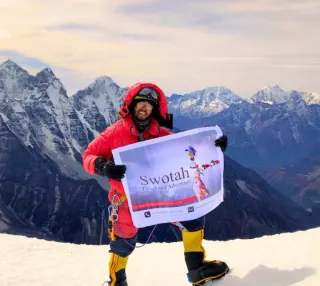
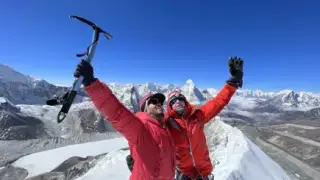
Saipal Himal trek takes trekkers to Sudurpaschim province’s unexplored regions with great geographical diversity, big Himalayan views, including Saipal Himal, 7,031 m / 23,068 ft (the second-highest peak in the far west after Api, said by locals to look like a sleeping golden ox), through an off-beaten path. The trek has the perfect blend of adventure and sights worth beholding, like Api Himal (7,132 m / 23,399 ft), Nampa Himal (6,755 m / 22,162 ft), Thado Dhunga, Rajrambha, splendid rocky hills, plateau, exotic wildlife, a wide range of flora and fauna, Tibetan Buddhist monasteries and shrines, along with diverse cultures and traditions of the locals.
What sets the Saipal Himal trek apart is its untouched and unexplored parts, as upper Bajhang is a restricted area and needs a special trekking permit (USD 90 for the first week, then USD 15 a day), unlike popular regions such as Annapurna. Saipal Himal Expedition also offers a majestic view of the snow-capped mountains of Uttarakhand, India, such as Nanda Devi and Rajrambha. Be clear about which trip you are looking at. Our Saipal Himal Expedition is a 38-day climb to the 7,031 m summit, a full mountaineering expedition with a climbing royalty, fixed ropes and serious altitude risk. It walks in through Bajhang and exits through Humla to Simikot. If you want the region without the summit, the East Saipal Trek takes 16 days, stays in Bajura district and tops out at about 3,900 m with camping on the upper sections. Either way, go with a guide and crew. The trail is sparsely populated and help is days away.
2. Api Himal Base Camp Trek

Nepal is a trekking haven for trekking enthusiasts around the world. Among numerous high mountains in Nepal, Api Himal is the highest peak in the Yoka Pahar sections of Gurans Himal, in the far north-west of Nepal, at 7,132 m. Api Himal is off a beaten trekking route that invites only a few trekkers but allows special solitude and natural closeness to those who visit.
The Api Himal trek takes you to Mt. Api that lies in the rustic area of western Nepal, where trekking traverses through lovely forests, high passes, remote villages and views of Api Himal, Nampa and, across the border, Nanda Devi and Rajrambha.
Our Api Himal trek runs 18 days from Gokuleshwor to Api Base Camp at about 4,000 m, with teahouses low down and a camping crew higher up. The route needs the Api Nampa Conservation Area permit and a TIMS card, not a restricted-area permit, though other parts of Darchula district are restricted. Expect long drives to reach the trailhead.
During this Trek, we get to visit the mixed communities of Chhetri, Mahara, Bohara, Bramin, Jhakari, and Lohar, who have their own language and cultural practices. Trekking to the area, we will also pass through the holy lake of Kalidhunga (which translates to Black Stone). All in all, the Api Himal Trek is an ultimate off-the-beaten-path trek that will take you to a remote place in Western Nepal, closer to nature and serenity.
3. Rara Lake Trek
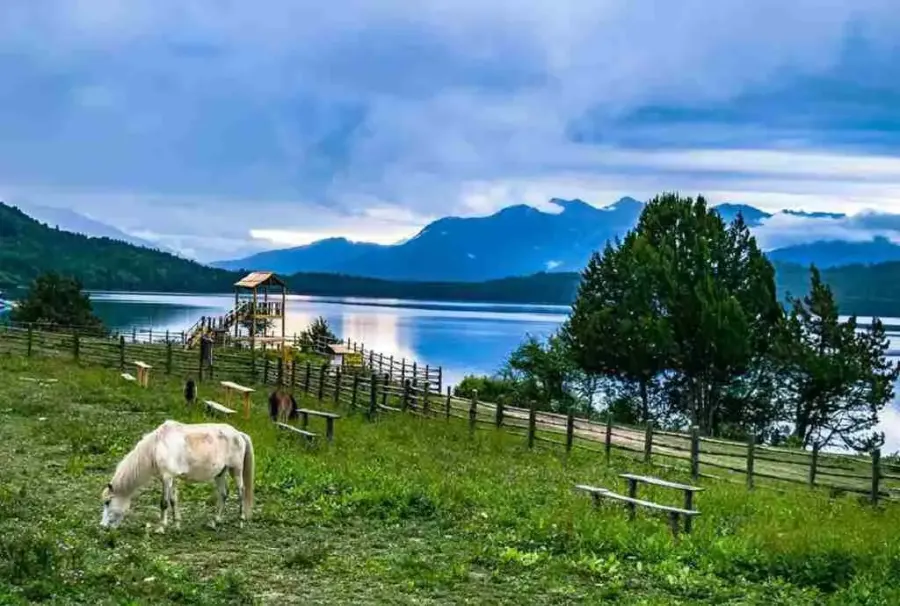
Rara Lake, often given the name 'queen of lakes' to justify its beauty, is one of the most rewarding treks in remote Karnali Province. Rara Lake is vastly gorgeous and unspoiled from the traffic of tourists. This off-the-beaten-path trek takes you to Rara National Park (1976). Even though it is the smallest national park in Nepal, at about 106 square kilometres, it boasts the largest lake in the country, Rara Lake, which lies at about 2,990 metres with an area of about 10.8 square kilometres, and also its exquisite landscape is different from the rest of Nepal.
The route is well not known track and affords glimpses of cultures and scenery different from the rest of Nepal. In winter, snow often lies on the ridges around the lake, and in spring and early summer the meadows fill with flowers. Autumn brings the clearest views. The park is also one of the best places in Nepal to see wildlife, namely leopards, musk deer, Himalayan Black Bear, and the rare red panda, which are all native.
There are two ways in. The classic 14-day trek walks from Jumla and crosses Danphe Lagna at about 3,450 to 3,700 m (sources vary), while the 7-day version gets close by flight and road and stays near the lake at 2,990 m. Rara National Park charges NPR 3,000 for foreign visitors. For the district around the lake, read our guide to Mugu.
4. Milke Danda Trek

Milke Danda Trek
Milke Danda trek of the Makalu region is a beginner-friendly trek and a literal “heaven” to botanists and anthophiles (flower lovers) in spring, when the rhododendrons bloom from March to April. A botanist who surveyed the ridge counted about 20 rhododendron species (Steffens, Journal of the American Rhododendron Society), and local trekking sources claim up to 28 for the wider area, along with other absolutely admirable flowers, unique vegetation, rare birds, wildlife, and alpine forest. The forested ridge, which divides the Arun and Tamur valleys, rises to about 3,124 m on our route. Also known as the Lali Gurans (rhododendron) trek, the Milke Danda Trek is the most underrated and unapproached treasure of Eastern Nepal.
Apart from rich, eye-pleasing nature’s grace, the ridge looks out on clear days to Kanchenjunga (8,586 m), Makalu (8,485 m) and, far to the west, Everest. The Milke Danda trek is beautified even more by the colourful cultures and traditions, the warm hospitality of Limbu, Rai and other Kirat communities. This lower trek with a low risk of altitude sickness is at its best form during the months of February to April and October to November. Our 14-day trip runs from Basantapur to Tumlingtar and needs a TIMS card only, with basic teahouses and some camping on the upper ridge.
5. Gurung Villages Cultural Trek (Ghandruk)

Ghandruk is a large Gurung village (about 1,940 m) in Annapurna Rural Municipality, Kaski District, Gandaki Province. It sits on popular Annapurna routes, but the side trails between Gurung villages around it are much quieter. From Ghandruk, we can see amazing views of Mountain ranges, including Annapurna South, Machhapuchhre and Hiunchuli. This is a short trek of a few days, where tea houses and homestays are popular and villagers offer their sincere respect and love towards the visitors through heartwarming hospitality.
Ghandruk is a cultural village, where ethnic groups of Gurung people reside and therefore, the village boasts typical Gurung-style houses, a Gurung museum, pleasing hospitality, unique culture, tradition, and practices. A common loop starts at Phedi and links Dhampus, Landruk and Ghandruk. A jeep road now reaches Ghandruk, so you can shorten the walk. The route is inside the Annapurna Conservation Area, so you need the ACAP permit (NPR 3,000) and a TIMS card. On the way, we can capture the beautiful views of mountain ranges, lush forest, scenic villages, and the love, respect through this Gurung Village cultural trek.
6. Sirubari Village Trek

Sirubari village trek is one of the newly introduced treks in the Syangja district of Nepal, providing homestay as accommodation which makes it an ideal option for those who want to not only get a closer insight into the culture and lifestyle of the friendly Gurung settlement of Sirubari but also be a part of it. It also reflects the beauty of religious tolerance with the respectful and peaceful co-existence of Hindus and Buddhists.
Sirubari, one of Nepal's first village homestay programmes, won a PATA Gold Award in the culture and heritage category of the year 2001. Elevating up to the altitude of 1,700 m / 5,577 ft, the Sirubari village trek stuns trekkers with beautiful stone-paved paths, hills, rich flora and fauna, compact farmlands and white mountains standing tall on the skyline. One also gets to explore the uniqueness of traditional handicrafts done by the locals in the cottage industry. All in all, this is a beginner-friendly trek with an easy walk and wide views that has a minimal probability of causing health problems and is most pleasing during March-May and September-December.
7. Chepang Hill Trek

Chepang Hill trek is a short and easy trek towards the indigenous Chepang communities of Nepal. The place is a beautiful, unexplored hillside on the hills between Dhading and Chitwan, the homeland of the Chepang people, who were semi-nomadic forest foragers until a few generations ago and keep their own language and customs.
Due to their own culture, tradition, lifestyle, and the remoteness of their homeland, they belong to the many marginalised groups of Nepal. This trek of four to five walking days starts from Hugdi, about 80 km from Kathmandu, and ends in Shaktikhor near Chitwan National Park. It mainly focuses on the culture and lifestyle of the Chepang people, but the scenery along the way is a big part of it too. From Siraichuli (1,945 m), the high point, the sunrise lights up the Himalaya from Dhaulagiri to Gaurishankar on a clear morning. As the trail never goes above 1,945 m and the climate is mild, it works from October to April.
8. Panchase Village Trek

Panchase Village, also known as a sacred religious site, is a perfect blend of culture and biodiversity. This village is the epitome of beautiful scenery, fascinating culture, and like-minded people. Even though this trek is considered relatively easy and nontouristic, the village boasts a wide variety of flora and fauna.
This panoramic trek starts from Pokhara, the city of lakes. This trek is off the beaten route and usually less crowded, allowing you to enjoy it fully. Unlike many other treks, this trek starts with brief boating in Phewa Lake and continues up to the World Peace Pagoda, through the forest, where you can get a glimpse of the diverse flora and fauna of Nepal and past several villages and experience the daily lives of Brahmin, Magar and Gurung communities from close.
The trek takes 2 to 4 days and tops out at Panchase Danda, about 2,517 m. The main trail needs no trekking permit.
9. Khaptad National Park Trek

Exploring the far western region of Nepal that extends into four different districts- Bajhang, Bajura, Achham, and Doti, which is not very crowded and rises to about 3,300 m / 10,800 ft, is what the Khaptad National Park trek offers an individual. Khaptad is an elevated plateau with subalpine landscapes. Khaptad National Park was established in 1984 and covers about 225 square kilometres. It is closely tied to Khaptad Baba, a hermit who meditated here for decades and whose ashram still stands on the plateau.
The speciality of the trek is the wide spectrum of wildlife (deer, langur monkey, Himalayan black bear, leopard, etc.), flora and fauna, a large range of bird species (about 287 recorded, though counts vary), medicinal herbs, and an impressive amount of wildflowers. Other trek highlights are Khaptad Baba Museum, Khaptad Danda, views of Api Himal (7,132 m) and Saipal Himal (7,031 m) on clear days. The Trek in Khaptad has its religious value held high up as it allows pilgrims and devotees to explore places like Tribeni, Maithan, Kedar Dhunga and Sahasra Linga. Since the Khaptad trail is gentle and stays below about 3,300 m, it is one of the safest yet most rewarding options for people who are new to trekking. Getting there is the hard part. Our 12-day trip starts and ends at Silgadi in Doti after a flight and long drives, and lodging is basic. Foreign visitors pay a national park entry fee, which sources list at NPR 1,500 to 3,000, so check the current rate.
10. Bhairav Kunda Trek
 Bhairav Kunda
 takes its name from Bhairav (Bhairava), the fierce form of Shiva associated with destruction, and ‘kunda’ means lake. Pilgrims call it the lake of Lord Shiva. This sacred lake lies in Sindhupalchok, north-east of the Kathmandu Valley near the Tibet border, at about 4,250 m. Named after the destructive aspect of Lord Shiva (Bhairav), Bhairav Kunda is one of the sacred pilgrimage sites for Shamans.
Hindus and Buddhist devotees visit this shrine to pay homage and bathe away sins annually in August-September on a Full Moon day. Bhairav Kunda Trek is mostly known for its religious significance, but it can also be known for the beautiful trekking trails as we can explore the beautiful mountain ranges, including Dorje Lakpa (6,966 m), Madiya and Phurbi Chyachu (6,637 m) along with the culture and tradition of local people on the way.
At about 4,250 m, this is the highest trek on the list, so plan acclimatisation nights on the way up and expect camping or very basic shelters near the lake. We don’t run a fixed departure here. It is approached from Sindhupalchok, away from the Rasuwa road that the August 2026 flood closed.
Planning Your Off-the-Beaten-Path Trek
Only Saipal on this list needs a restricted-area permit. Rara and Khaptad charge national park fees, Ghandruk needs ACAP and a TIMS card, Api needs the Api Nampa Conservation Area permit and TIMS, and Milke Danda needs TIMS only. The village treks need none. Swotah Travel arranges all of these as part of an organised trek. Saipal, Api and Dolpo are the most remote and need experienced guides, logistics support and extra acclimatisation days. Cultural village treks such as Sirubari, Chepang, and the Gurung villages are more accessible and can suit first-time Nepal trekkers.
The best seasons are October–November (clear skies, post-monsoon colour) and March–May (rhododendron bloom, stable weather). A licensed guide has been mandatory in national parks and conservation areas since 1 April 2023. For more inspiration, read our overview of 18 reasons to visit Nepal in 2026 or explore our fixed departures. For further reading on remote Annapurna routes, see our dedicated guide to off-the-beaten-path treks in the Annapurna region.
Off-the-Beaten-Path Treks: FAQs
Which is the most remote trek in Nepal?
On this list, Saipal and Api in the far west. Both take two days or more of flights and drives just to reach the trailhead, and the upper valleys have no lodges at all. Upper Dolpo and Humla are as remote and need restricted-area permits too.
Can I do these treks without a guide?
Not legally inside national parks and conservation areas, where a licensed guide has been mandatory since 1 April 2023. Rara, Khaptad, Api and Ghandruk all fall under that rule. On the village treks a guide is optional, but you will want one for language and route-finding.
Are off-the-beaten-path treks more expensive?
Usually, yes. Flights to Nepalgunj, Jumla or Tumlingtar, camping crews and longer approach drives cost more than a teahouse trek in Annapurna. The village treks near Pokhara and Chitwan are the exception and cost very little.
Which quiet trek is easiest for a beginner?
Panchase, Sirubari or the Chepang Hill trek. All three stay below about 2,500 m and take 2 to 5 days. Rara's 7-day version is the gentlest of the far-west options.
Is the 2026 Langtang flood a problem for these treks?
No. None of the ten routes uses the Rasuwa road that the 26 August 2026 flood closed. If you planned Langtang as your quiet trek, see our flood update for its access.