
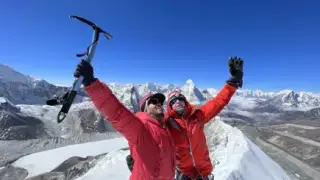
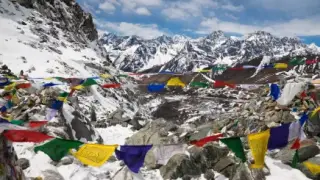

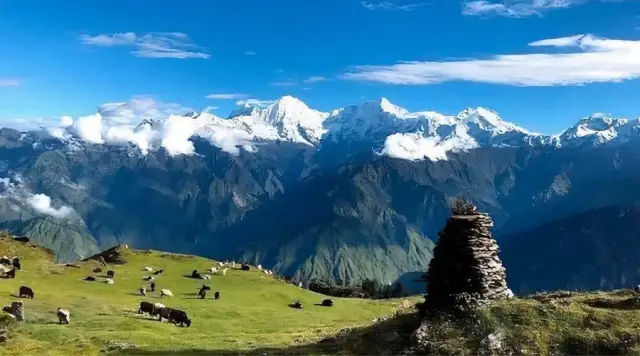

The Ruby Valley Trek is a moderate 7 to 12 day homestay trek in the Ganesh Himal region, between Langtang and Manaslu. The classic loop starts at Syabrubesi, climbs through the Tamang village of Gatlang to Somdang, crosses Pangsang La at about 3,850 m and ends via Tipling and Chalish on the Dhading side. You need the Langtang National Park permit, a TIMS card and a licensed guide. In late 2026 the Syabrubesi start is affected by the August Rasuwa flood, so many groups start or finish from Dhading instead.
- RegionGanesh Himal, Rasuwa and Dhading
- Highest pointPangsang La, about 3,850 m
- Duration7 to 12 days from Kathmandu
- DifficultyModerate, long up-and-down days
- PermitsLangtang NP NPR 3,000 + TIMS NPR 2,000, licensed guide
- LodgingHomestays and small family lodges
Are you seeking an off-the-beaten-path adventure in Nepal? You need to look no further than the Ruby Valley trek. The Ruby Valley Trek runs through the Ganesh Himal area, a quiet corner between Langtang and Manaslu. This guide covers the route, permits, costs and lodging, plus how to get there in late 2026.
Overview of the Trek
Ruby Valley is usually said to take its name from the minerals around Somdang, where an old mine was worked for zinc and lead and ruby crystals were dug in the 1980s. The valley sits below the Ganesh Himal, across the Rasuwa and Dhading districts, between the Langtang and Manaslu regions. The route gives big Himalayan views and a look at life in Tamang and Gurung villages, with Kami (Dalit) families in places such as Chalish.
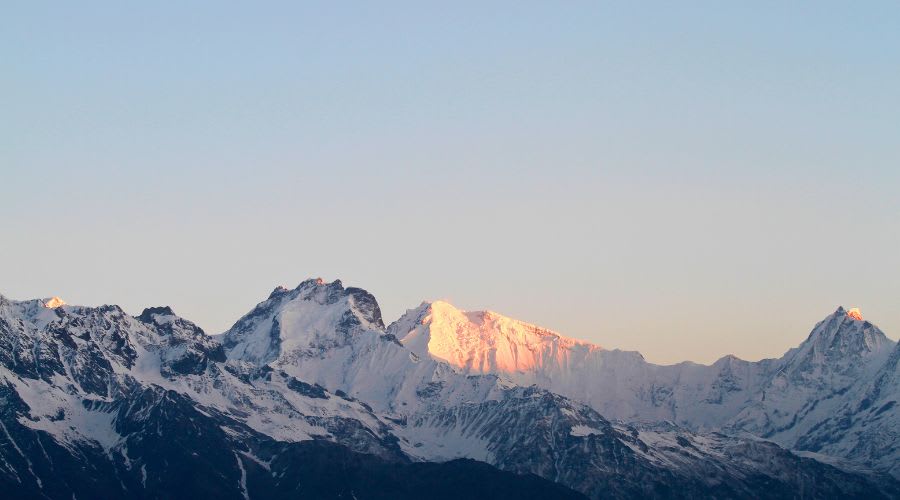
You will pass two waterfalls known locally as Ganga and Jamuna, with views of the Ganesh Range, Manaslu (8,163m), Lamjung Himal (6,983 m), Langtang Lirung (7,234 m), Boudha Himal, Dorje Lakpa and Ganesh I (Yangra, 7,422 m). In the villages, Hindu shrines and Buddhist gompas stand side by side.
The upper part of the route, around Somdang and Pangsang La, lies inside Langtang National Park. The trek does not enter the Manaslu Conservation Area, though Manaslu is in view from the pass. Along the way you can see rare and exotic flora like rhododendron trees, alpine forests, oak trees, caterpillar fungus, asparagus, and sanjivni buti. Wildlife includes ghoral, the rarely seen snow leopard, Himalayan deer, barking deer, bears, the Himalayan monal and a wide range of birds.
On a longer route you can add the sacred lakes Kalo Kunda and Seto Kunda below Ganesh Himal Base Camp, a side trip of several days from Chalish. The trek has yet to gain popularity because it is not well-known, yet this aspect of Ruby Valley sets it apart from other famous treks in Nepal because it allows a solitary experience.
Access in October 2026
On 26 August 2026 a rock and ice avalanche off Langtang Lirung sent a debris flow down the Bhotekoshi corridor through Timure and Syabrubesi. Our explainer on the cause covers why it was not a glacial lake burst. The 26 August 2026 flood took out the bridges at Betrawati and Syabrubesi. A Bailey bridge at Betrawati has since reconnected the road to Dhunche, and TAAN reopened Langtang on 22 October 2026, but the road still does not reach Syabrubesi.
That hits the usual Ruby Valley start. The Dhading side, through Dhading Besi and Dundure Khola to Chalish, was not on the flood path, so driving to Dundure Khola and walking the loop in reverse from Chalish is the simplest option while the Syabrubesi road is shut. Our flood update lists which routes are running and the one still on hold. Ask us for the latest road news before you book.
Trek Map

What to Pack
-
Three pairs of underwear: Just in case it gets sweaty down there.
-
Trekking Pole: You'll definitely need this to help your knees and back.
-
First aid kit: Minor injuries can turn into infections far from a clinic. Carry Diamox only if your doctor prescribes it.
-
A sleeping bag: Even though you'll likely be provided with a bed at each of the stops, you'll need a sleeping bag for those chilly nights.
-
Quick-dry towel: For the Tatopani hot spring near Chalish. The high lakes are sacred, so don't swim in them.
-
Sunglasses: Essential for keeping the sun out of your eyes while trekking.
-
Sunscreen: To protect your skin from the sun's harsh rays.
-
Snacks: To keep you going while trekking, as meals may not always be available.
-
Water bottle: Make sure it's big enough for sipping at regular intervals.
-
Warm clothing: Since temperatures can drop significantly at night, staying warm and comfortable is important.
Tips for the Trek
1. To enjoy the greatest weather and scenery, begin your hike early in the day.
2. To ensure comfortable walking on the trails, spend money on a nice pair of hiking boots.
3. For convenience, bring your own water bottle and filter.
4. Dress in airy, relaxed attire that you may layer as needed.
5. Because the environment can be unpredictable, be ready for rapid changes in the weather.
6. Use insect and sunblock repellent to protect yourself from any potential damage.
7. Take frequent breaks to rest and take in the views.
8. Remember to pack extra snacks and energy bars to last you the entire hike.
9. Keep a map handy so you know where you're going and what points of interest to look out for.
10. Pack a first-aid kit with basic medications to help you if you get sick or injured during the trek.
Highlights of the Trek
1. Views of Ganesh Himal, Manaslu and Langtang Lirung from Pangsang La (about 3,850 m).
2. Taking in the fresh air and natural beauty of Nepal’s forests and rhododendron-filled hillsides.
3. Trekking along the southern edge of Langtang National Park.
4. Visiting village temples, shrines and monasteries.
5. Spotting the Himalayan monal, a brightly coloured pheasant and Nepal's national bird.
6. On the longer Ganesh Himal route, reaching the sacred lakes Kalo Kunda and Seto Kunda below the mountain.
7. Soaking in the Tatopani hot spring near Chalish after a long day's walk.
8. Walking an off-the-beaten-path route that few trekkers know.
9. Hiking through alpine meadows of wildflowers, such as the rhododendrons, blue poppies, and edelweiss.
10. Experiencing the unique culture and hospitality of the locals with an option for homestays.
Cost of trek
The cost of the Ruby Valley Trek depends on various factors, such as the duration of the trek, the type of accommodation and meals you choose and other activities that you may include. The overall cost of a standard nine-day trek for two people, with a licensed guide, can range from about USD 900 to USD 1,200, depending on transport and the level of comfort you want.
This cost includes trekking permits, the cost of accommodation in the tea houses along the trail (beds and dinner/breakfast/tea), and guide/porter services. It does not include other activities or expenses such as additional meals and snacks, drinks, transportation costs, insurance, or tips.
Arranging the pieces yourself through a registered agency can cost a little less than a package. You still pay for a licensed guide, which has been compulsory since April 2023. A porter is optional.
With careful planning, the cost stays modest compared with the better-known treks.
Permits required and cost
Agencies issue the Langtang National Park permit for the whole Ruby Valley route, because Somdang and Pangsang La sit inside the park. You also need a TIMS card, and a licensed guide is compulsory from the first day. The standard route via Gatlang does not need a restricted area permit. That only applies if you detour to Thuman or Timure on the Tamang Heritage side. See our Langtang permits guide for the details.
| Permit | Foreigners | SAARC nationals | Notes |
|---|---|---|---|
| Langtang National Park | NPR 3,000 (about USD 20) | NPR 1,500 | Covers Somdang and Pangsang La |
| TIMS card | NPR 2,000 (about USD 13) | NPR 1,000 | Issued only through a registered agency |
| Licensed guide | Required since 1 April 2023 | A single trekker with a guide is fine | |
| Rasuwa restricted area permit | Not needed on the standard route | Only for Thuman and Timure side trips | |
In total, permits come to about NPR 5,000 (roughly USD 32) for foreigners. Our solo trekking rule explainer covers the guide rule.
Difficulty
The Ruby Valley Trek is moderate. Fit beginners manage it, but the days are long, with steep climbs and descents, and the route tops out at about 3,850 m on Pangsang La.
Although there are a few challenging slopes on the Ruby Valley Trek, you'll need to have a solid dedication to finish it because you'll be walking for about 5-7 hours each day.
The Ruby Valley Trek is a good way to see the hill country between Langtang and Manaslu. Most itineraries take 7 to 12 days from Kathmandu, depending on the start point and side trips.
Trek route
The Ruby Valley Trek route is an exciting mix of unmatched scenery and diverse culture. There are many routes one can take to complete the Ruby Valley trek. The journey begins in Syabrubesi, taking you to the highlands of Dhading, where you’ll walk through remote villages and terraced farms.
Starting from Syabrubesi (about 1,460 m), you climb through Chawatar to Gatlang (about 2,240 m), a Tamang village known for its stone houses.
After a long day of walking while passing through Yurikharka and Khurpu Bhanjyang, you reach Somdang (about 3,270 m), a small settlement beside the old mine.
Somdang's mine was worked for zinc and lead, and ruby crystals were dug here in the 1980s. From Somdang the trail climbs to Pangsang La (about 3,850 m), the high point and best viewpoint of the trek, then drops through rhododendron and fir forest to Tipling (about 2,000 m).
Finally, you reach Chalish (about 1,800 m), where Gurung, Tamang and Kami (Dalit) families live.
You’ll also hike through lush vegetation before completing the Ruby Valley trek. From there, you’ll take a long descent down to the valley floor, with views of towering cliffs and valleys. Below Chalish the trail drops via Borang to the road at Dundure Khola for the long drive back through Dhading Besi.
Ruby Valley Altitude Profile
Approximate altitudes along the classic loop. Sources differ by up to 100 m for Gatlang and Tipling.
| Stop | Altitude | Height |
|---|---|---|
| Syabrubesi | about 1,460 m | |
| Gatlang | about 2,240 m | |
| Somdang | about 3,270 m | |
| Pangsang La (pass) | about 3,850 m | |
| Tipling | about 2,000 m | |
| Chalish | about 1,800 m | |
| Borang | about 1,700 m | |
| Dhading Besi | about 600 m |
Accommodation
The Ruby Valley trip is a fantastic way to discover Nepal's unspoiled beauty. The majority of the time, teahouses and family-run guesthouses along the route serve as lodging for trekkers. These offer fundamental amenities like a bed, blankets, and a hot meal. There is electricity in many tea establishments, but few have Wi-Fi.
The tea houses provide a comfortable way to break up the trek. Most stops have homestays or small family lodges with basic rooms. There are no premium hotels on the route.
It is easy to locate a place to spend the night without making a reservation because the Ruby Valley Trek is a lesser-known trek. Just to be on the safe side, make a reservation if feasible. Expect to pay roughly USD 5 to 10 a night for a room. A licensed guide is required, and your guide can arrange homestays ahead in the busy months.
Lodging is simple but clean, and the home-cooked dal bhat is often the best part of the day.
With careful planning and a bit of preparation, your time in the Ruby Valley will be unforgettable.
Is the Ruby Valley Trek Worth It?
The Ruby Valley Trek takes you through rugged terrain and quiet villages. Whether you’re a beginner or an experienced trekker, this trail is sure to give you an unforgettable experience. With majestic mountains, clear streams, colorful forests and friendly locals, the Ruby Valley Trek will be sure to leave you with lasting memories.
Cost-wise, the trek is relatively affordable when compared to other treks in Nepal. Although it is a moderate trek compared to others in the region, it’s still important to be well-prepared and properly equipped for the conditions.
Whether you decide to make the Ruby Valley Trek part of your adventure in Nepal or not, we hope this guide has given you a better idea of what to expect from the trail.
Ruby Valley Trek: FAQs
How long is the Ruby Valley Trek?
Most itineraries take 7 to 12 days from Kathmandu. The core walk from Syabrubesi over Pangsang La to Chalish takes about five to six days, and side trips such as the lakes below Ganesh Himal add several more.
Do I need a guide for Ruby Valley?
Yes. A licensed guide has been required since 1 April 2023, and the TIMS card is issued only through a registered agency. You can trek as a single person with a guide.
What permits does the Ruby Valley Trek need?
The Langtang National Park permit (NPR 3,000 for foreigners) and a TIMS card (NPR 2,000). The standard route does not need a restricted area permit.
Is Ruby Valley affected by the 2026 Rasuwa flood?
The road to Syabrubesi was still cut in late October 2026 while its bridges are rebuilt. The Dhading side was not on the flood path, so starting or finishing at Chalish is the workaround. Check with us before you book.
Are there real rubies in Ruby Valley?
Small ruby crystals have been found around Somdang, and the old mine there was worked for zinc and lead. You won't find gems lying on the trail, and taking minerals out of the park isn't allowed.