


The ten most beautiful valleys in Nepal are Barun, Khumbu, Marsyangdi, Tsum, Rolwaling, Upper Mustang, Langtang, Upper Dolpo, Gokyo and Dang. Choose Khumbu or Gokyo for close views of Everest and the other 8,000 m peaks, Tsum, Upper Mustang or Upper Dolpo for Tibetan Buddhist culture, Barun for rhododendron and orchid forest, and Dang for an easy, low-altitude trip in the inner Terai. Most mountain valleys are best in October and November or from March to May. Upper Mustang and Upper Dolpo also work in the monsoon because they sit in the rain shadow. Tsum, Upper Mustang and Upper Dolpo are restricted areas that need a special permit and a licensed guide.
- Valleys in this guide10, from about 700 m to over 5,000 m
- Highest viewpointKala Patthar 5,545 m (Khumbu)
- Lowest valleyDang, inner Terai, about 700 m
- Restricted areasTsum, Upper Mustang, Upper Dolpo
- Best monthsOct to Nov, Mar to May (Mustang and Dolpo also Jun to Sep)
- Swotah treksLangtang from USD 1,215, Gokyo from USD 1,675 (group departure)
Nepal is not just a country of mountains. It has diverse landscapes and topography, and offers multiple destinations for your adventurous stay, from high-altitude peaks to the deepest gorges in the world.
One of the unique features of Nepal is its own time zone, UTC+5:45, set by the meridian that passes over Gaurishankar, a 7,134 m Himalayan peak northeast of Kathmandu. The country is surrounded by many natural wonders, including majestic mountains, sparkling rivers, and lush valleys. From the dense jungles of the Terai to the snow-capped peaks of the Himalayas, Nepal offers a truly breathtaking landscape that will captivate and inspire.
Among the many natural wonders of this country, the valleys of Nepal are particularly captivating. Have you ever had the chance to explore these picturesque regions? If not, let us introduce you to the most stunning valleys Nepal offers.
- Barun Valley: Rhododendrons and Orchids Below Makalu
- Khumbu Valley: Home of the Khumbu Glacier
- Marsyangdi Valley: Rafting, Canyoning and the Annapurna Circuit
- Tsum Valley: A Hidden Buddhist Valley Near Manaslu
- Rolwaling Valley: Glaciers and Tsho Rolpa Lake
- Upper Mustang Valley: Exploring the Hidden Kingdom
- Langtang Valley: Mystic Trails in Time
- Upper Dolpo Valley: Beyond Phoksundo Lake
- Gokyo Valley: Home of Gokyo Ri
- Dang Valley: A Beautiful Inner Terai Destination
Nepal's Valleys at a Glance
| Valley | Where | High point on a trek | Best months | Permit | Swotah trip (group departure) |
|---|---|---|---|---|---|
| Barun | Sankhuwasabha, Makalu Barun NP | Makalu Base Camp, about 4,870 m | Apr to May, Oct to Nov | Makalu Barun NP, NPR 3,000 | Makalu Barun Trek, 22 days (see trip page) |
| Khumbu | Solukhumbu, Sagarmatha NP | Kala Patthar 5,545 m | Oct to Nov, Mar to May | Sagarmatha NP NPR 3,000 + Khumbu card NPR 3,000 | EBC 14 days, from USD 1,620 |
| Marsyangdi | Lamjung and Manang | Thorong La 5,416 m | Oct to Nov, Mar to Apr | ACAP NPR 3,000 + TIMS | Annapurna Circuit 14 days, from USD 1,230 |
| Tsum | Northern Gorkha | Mu Gompa, about 3,700 m | Mar to May, Sep to Nov | Restricted-area permit + MCAP | Manaslu + Tsum 22 days, from USD 1,975 |
| Rolwaling | Dolakha, Gaurishankar CA | Tsho Rolpa about 4,580 m (Tashi Lapcha 5,755 m, technical) | Oct to Nov, Apr to May | Gaurishankar CA NPR 3,000, other permits by route | No fixed Swotah trip |
| Upper Mustang | Mustang | Lo Manthang about 3,840 m | Mar to Nov, monsoon included | USD 50 a day from Kagbeni + ACAP | Upper Mustang 16 days, from USD 2,399 |
| Langtang | Rasuwa, Langtang NP | Tserko Ri 4,984 m | Oct to Nov, Mar to May | Langtang NP NPR 3,000 + TIMS | Langtang Valley 16 days, from USD 1,215 |
| Upper Dolpo | Dolpa, Shey Phoksundo NP | Passes up to about 5,350 m | May to Oct | USD 500 for 10 days + NP fee | Upper Dolpo 26 days, from USD 3,650 |
| Gokyo | Solukhumbu, Sagarmatha NP | Gokyo Ri 5,357 m | Oct to Nov, Mar to May | As for Khumbu | Gokyo Ri 15 days, from USD 1,675 |
| Dang | Dang, Lumbini Province | Valley floor about 700 m | Oct to Mar | None | No fixed Swotah trip |
How High Does Each Valley Go?
The highest point most visitors reach in each valley, from 0 to 5,545 m. Anything above about 3,000 m needs a slow ascent and rest days to avoid altitude sickness.
| Valley | High point (m) | Height (0 to 5,545 m) |
|---|---|---|
| Khumbu (Kala Patthar) | 5,545 | |
| Marsyangdi (Thorong La) | 5,416 | |
| Gokyo (Gokyo Ri) | 5,357 | |
| Upper Dolpo (passes) | about 5,350 | |
| Langtang (Tserko Ri) | 4,984 | |
| Barun (Makalu Base Camp) | about 4,870 | |
| Rolwaling (Tsho Rolpa) | about 4,580 | |
| Upper Mustang (Lo Manthang) | about 3,840 | |
| Tsum (Mu Gompa) | about 3,700 | |
| Dang (valley floor) | about 700 |
Barun Valley: Rhododendrons and Orchids Below Makalu
Barun Valley is one of the most beautiful valleys formed by the Barun river. It is situated in the Makalu Barun National Park in Sankhuwasabha District. The climate changes quickly with height. The lower valley near the Arun River is warm and humid, while the upper Barun above about 4,000 m has alpine weather, with snow on the high ground from December to March.
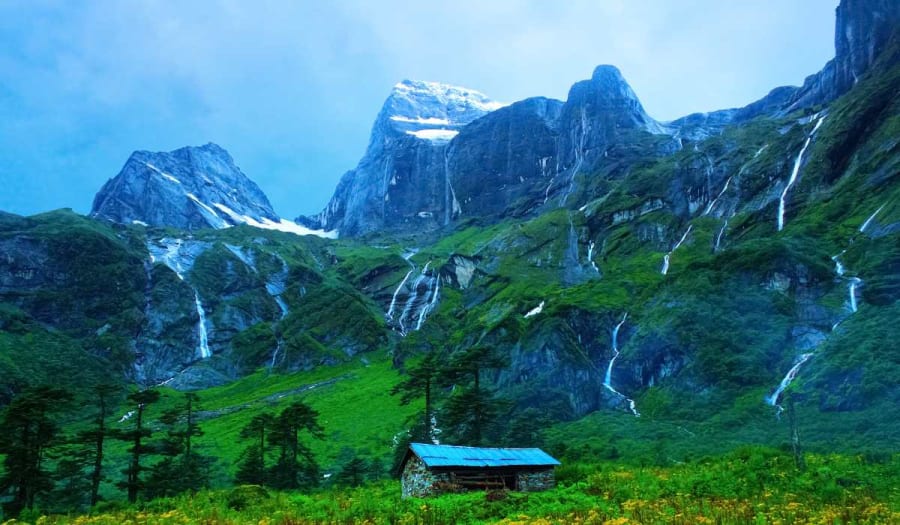
Photo: Barun Valley Nepal
Barun Valley is well-recognized for its diverse richness of plants and animals. Makalu Barun National Park, which the valley runs through, records more than 3,000 flowering plants, including 25 species of rhododendron. The park's official list also counts 47 types of orchid and 56 rare plants, and these are some of the main attractions of this valley.
With its pristine forests, alpine meadows, and snow-capped peaks, the valley sees far fewer trekkers than Everest or Annapurna and gives them the chance to spot endangered animals like the Red Panda and Snow Leopard. Makalu (8,485 m), Chamlang and Baruntse, with Mera Peak further west, offer visitors life-long memories.
The usual way in is a flight to Tumlingtar (about 460 m), a drive to Num and around a week on foot over the Shipton La (about 4,200 m) to Makalu Base Camp at about 4,870 m. Lodges are basic and some nights are in simple teahouses or tents, so this suits trekkers who have done a high trek before.
Khumbu Valley: Home of the Khumbu Glacier
If you are to relish the Sherpa culture and tradition, Khumbu Valley is a perfect choice. It is situated in the Solukhumbu district of eastern Nepal and is a pristine home to the flora and fauna of the high-altitude ecosystem. The Khumbu is the heartland of the Sherpa community, while Kulung Rai villages lie lower down in the Hongu valley to the south. Spending time in Sherpa villages such as Namche Bazaar (3,440 m) and Khumjung is one of the most rewarding parts of the trip.
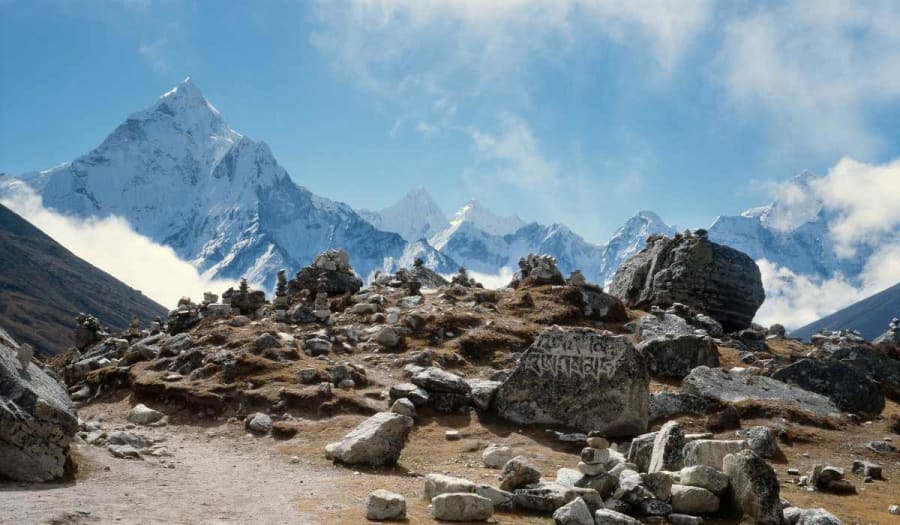
Photo: Khumbu Valley Nepal
Khumbu Valley offers heavenly views of the Khumbu Icefall and famous peaks like Mount Everest, Lhotse, Makalu, Cho Oyu, and Ama Dablam. Similarly, this valley is the gateway to Everest Three Passes, Gokyo Ri, and Everest Base Camp Treks. It includes the beauty inside the Sagarmatha National Park, such as the endangered animals and plants. You can also catch sight of Danphe Monal, Snow Leopard, Red Panda (Habre), White Rhododendron, and medicinal herbs.
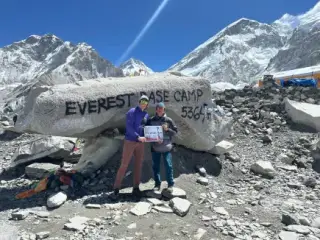
Moreover, the snowy crevasses around the Khumbu Glacier are beautiful, but the icefall above Base Camp is climbers' ground. Trekkers see it from Everest Base Camp (5,364 m) and from Kala Patthar (5,545 m), the best viewpoint for Everest itself. Foreign visitors pay NPR 3,000 for the Sagarmatha National Park permit and NPR 3,000 for the local Khumbu card.
Marsyangdi Valley: Rafting, Canyoning and the Annapurna Circuit
Marsyangdi Valley is one of the best destinations for adventurous activities like canyoning and rafting. The Marsyangdi is one of Nepal's steepest and most technical rafting rivers, so it suits paddlers with some white-water experience. Marsyangdi River Rafting and Marshyangdi Valley Canyoning are some of the main insights into the activities you must do here.
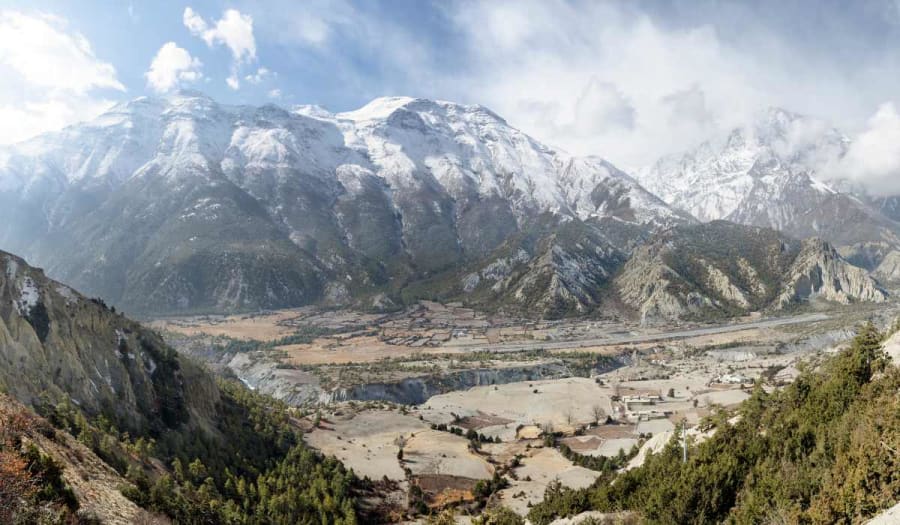
Photo: Marsyangdi Valley Nepal
Most of the Marsyangdi Valley above Besisahar lies in the Annapurna Conservation Area. The Marsyangdi river carved it, and its beauty should not be underestimated. The view of the Annapurna massif and the green landscapes are the major attractions of this valley. If you are trekking to Annapurna Circuit, you walk up the whole Marsyangdi Valley, from Besisahar (about 760 m) past Chame (2,670 m) and Manang (3,540 m) to the Thorong La at 5,416 m. A road now runs far up the valley, so many trekkers ride the lower part by jeep and walk the quieter trails higher up.
Tsum Valley: A Hidden Buddhist Valley Near Manaslu
Tsum Valley is a side valley off the trail around the world's eighth-highest mountain, Mount Manaslu, 8,163 m (26,781 ft). Tsum lies in northern Gorkha District, close to the Tibet border, and is usually combined with the Manaslu Circuit.
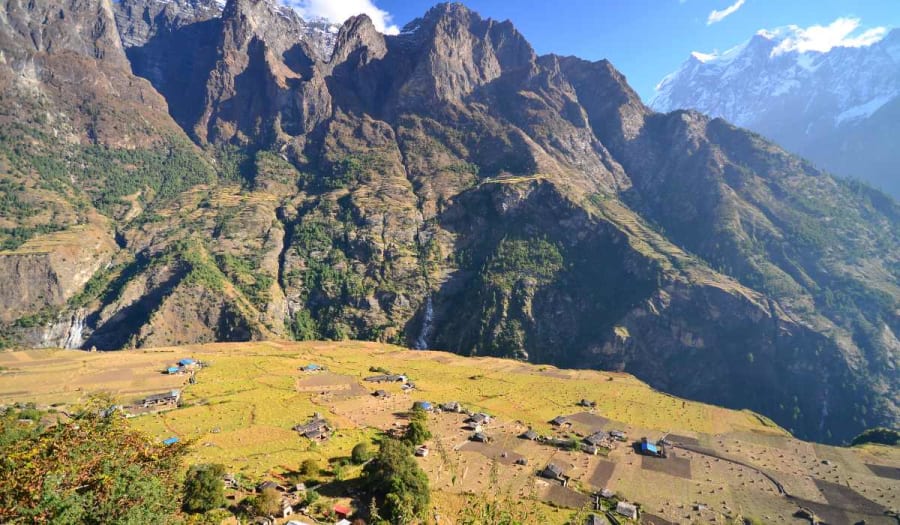
Photo: Tsum Valley
It is said that the Buddhist saint Milarepa meditated in the caves of Tsum Valley, and Piren Phu, the Pigeon Cave near Burji, is still visited as his retreat. Apart from that, the scenic beauty of the Sringi Himal, Buddha Himal, and Ganesh Himal provides additional relief to your journey.
In addition, Tsum valley features Buddhist monasteries like Mu Gompa and Rachen Gompa. You can experience the traditional Buddhist culture by seeing the chortens, prayer flags, monks, and their lifestyle in Tsum Valley.
Tsum is a restricted area, so you need a special permit and a licensed guide, booked through a registered agency. After the 11 October 2026 flood on the Budhi Gandaki, the Manaslu trail is running again, but the Tsum bridge at Sardibhir was still being repaired in late October. Check our flood trekking update before you book.
Rolwaling Valley: Glaciers and Tsho Rolpa Lake
Located in the Gaurishankar Conservation Area (GCA), set up in 2010 and covering about 2,179 sq. km, Rolwaling Valley is home to the icy mountain environment and its ecosystem. It lies in Dolakha District, between the Khumbu to the east and the Langtang and Jugal Himal to the west.

Photo: Tashi Lapcha La Pass
The Sherpa village of Beding (about 3,690 m), the Tashi Lapcha Pass and the glacial lake of Tsho Rolpa are some of the highlights of Rolwaling valley. Similarly, the majestic view of Mount Gaurishankar (7,134 m) and Menlungtse (7,181 m, just across the Tibet border) will bring heaven to your eyes. The Trakarding Glacier feeds Tsho Rolpa, which at about 4,580 m is one of the largest glacial lakes in Nepal. Its level was lowered by about 3 m in 2000 to cut the risk of a glacial flood.
Rolwaling is quiet because it is hard. Lodges are few, and the Tashi Lapcha (5,755 m) into the Khumbu is a glacier crossing that needs climbing gear and an experienced crew. Foreign visitors pay NPR 3,000 for the Gaurishankar Conservation Area, and other permits depend on the route, so confirm them with your agency.
Upper Mustang Valley: Exploring the Hidden Kingdom
The Upper Mustang valley is a familiar name to tourists. It is well known for its stunning natural beauty, including deep canyons and mountains. The valley is situated in the Mustang district, and history mentions it as home to the ancient Kingdom of Lo, whose king kept a ceremonial title until 2008.

Photo: Upper Mustang Valley
In this valley, you can experience your journey to ancient caves, Buddhist monasteries, mountains, and a diverse variety of flora and fauna. The local inhabitants of Mustang valley are Lopas (or Lobas), whose ancestors are believed to have settled here 2,000 to 3,000 years ago. To date, you can find traditional Tibetan Buddhist culture practiced here, in villages such as Chhusang, Syangboche and Lo Manthang, with Jomsom in Lower Mustang as the gateway town. Lo Manthang, the old capital at about 3,840 m, was founded in 1380 by King Ame Pal. Its wall has a single gate, and inside stand four main monasteries, including Jampa and Thubchen, along with chortens and long mani walls.
Mustang is also far richer in history than its bare hills suggest. The sky caves, an estimated 10,000 of them, are the main attraction of this valley. Studies show that these sky caves hold Buddhist paintings, manuscripts, artifacts, and even ancient human remains.
Upper Mustang sits in the rain shadow of the Annapurna and Dhaulagiri ranges, and Lo Manthang gets less than 160 mm of rain a year, so it is one of the few treks that works in the monsoon. It is a restricted area: the permit costs USD 50 per person per day from Kagbeni (confirm the current rule with your agency), plus the ACAP fee, and a licensed guide is required. Our Upper Mustang permit guide has the details.
Langtang Valley: Mystic Trails in Time
Langtang Valley is a perfect choice if you are looking forward to the mystic mountain trek and the Buddhist religious experience. Langtang village sits at about 3,430 m (11,254 ft) and Kyanjin Gompa, at the head of the trail, at about 3,870 m. The valley gives an outstanding view of Langtang Lirung, 7,234 m (23,734 ft). In addition, other famous peaks like Dorje Lakpa, Shishapangma, Ganesh Himal, Yala Peak, and others are the attractions to be noted.
Moreover, you will experience the incredible view of Langtang Glacier and its crevasses from Langtang Valley.
The traditional Tamang culture is fascinating, and the Buddhist monasteries will add flavor to your travels in Langtang Valley. Kyanjin Gompa, a conventional Buddhist Monastery, is one of the main attractions of this place and is rich in mani walls, chortens, and prayer flags.
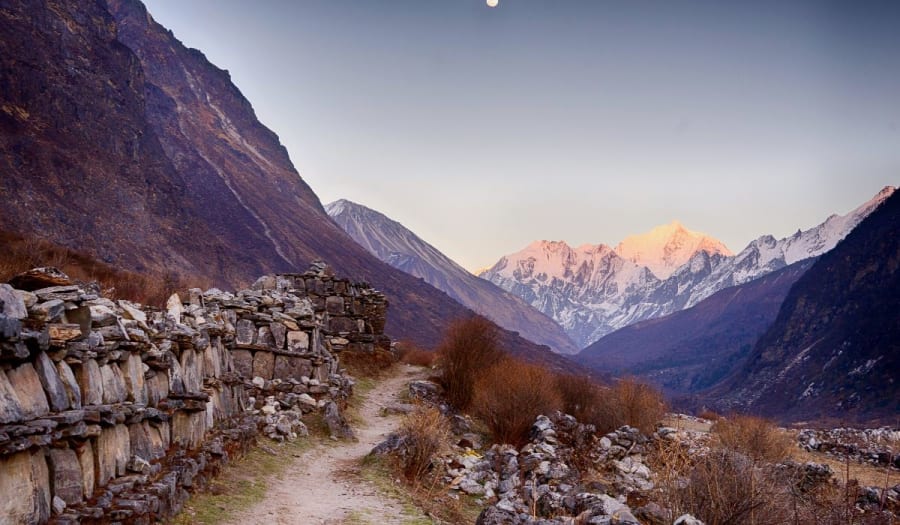
The valley is linked by trail to the sacred Gosaikunda Lake (about 4,380 m), famous among Hindu and Buddhist pilgrims, a few days' walk away.
Langtang village was buried by an avalanche in the 25 April 2015 earthquake, and the rebuilt village is worth seeing in its own right (read our Langtang before and after story). After the 2026 floods, the Langtang trail reopened on 22 October 2026 by a route through Thulo Syabru. Check our flood trekking update before you go. Foreign visitors pay NPR 3,000 for Langtang National Park, and a licensed guide is required.
Upper Dolpo Valley: Beyond Phoksundo Lake
It's not strange that Nepal is rich in natural lakes and watersheds. When it comes to the deepest lake, Dolpo has Phoksundo Lake (about 3,611 m), often called the deepest lake in Nepal at about 145 m, which might be your next destination. The lake sits at Ringmo, just below the restricted Upper Dolpo zone. The Upper Dolpo trek starts from the airstrip at Juphal and crosses passes up to about 5,350 m.
The trek also takes you to beautiful traditional villages like Ringmo at the lake and Saldang and Tinje deeper in Upper Dolpo. Similarly, it is home to the ancient Tibetan Monastery, Shey Gompa, a sacred place for Buddhists.
Apart from that, you can view the cinematic sights of Phoksundo Lake and traditional Tibetan culture. The Dhaulagiri and Kanjiroba ranges offer a perfect sightseeing view, considered best for sunrise and sunset. Moreover, wildlife is the essential thing you might not want to miss in Upper Dolpo Valley. Animals like the snow leopard and musk deer are the true gems of this valley.
Upper Dolpo is one of Nepal's most expensive and remote treks. The restricted-area permit is USD 500 per person for the first 10 days, then USD 50 a day, on top of the Shey Phoksundo National Park fee of NPR 3,000, and a licensed guide is required. Flights from Nepalgunj to Juphal are often delayed, so build in spare days. Like Mustang, it lies in a rain shadow and is good from May to October.
Gokyo Valley: Home of Gokyo Ri
What more can you expect than the beautiful mountains and Lakes in the same destination? Well, Gokyo Valley is where you can experience the adventurous trek and views of Gokyo Ri and Gokyo Lakes. Trek to Gokyo Valley will lead you to the village of Gokyo at about 4,790 m (15,715 ft). Well, it's not only the increment of altitude but also the incline in the natural beauty you will see in Gokyo.
You will experience the true beauty of the Khumbu region and its incredible features, like Mount Everest, Cho Oyu, Lhotse, Makalu, and the huge Ngozumpa Glacier beside the village. The Gokyo lakes, six main lakes fed partly by the glacier, have been a Ramsar wetland of international importance since 2007. Also, you will get to know the local Sherpa culture and traditions. The rhododendron and pine forests lower down and the snowy routes higher up will create lifelong memories throughout your journey to Gokyo Valley.
You can also take a hike to Gokyo Ri, 5,357 meters (17,575 Feet), and view the coolest sunrise and sunsets.

Dang Valley: A Beautiful Inner Terai Destination
If you are looking for a worthy trip to the Dun Valleys of Nepal, Dang Valley is one of them. Dang Valley is known for several reasons: it is home to the Dharapani Pandabeshwar Mahadev Temple, Jakhera Lake, Purandhara Waterfall, and many more.
Similarly, you can go to the beautiful viewpoint of Sawarikot, about a four-hour hike from the district headquarters, Ghorahi. Locals see Sawarikot as a promising paragliding site.
Besides that, some other major attractions of Dang Valley include the Tharu Culture Museum, Ambikeshwori Temple, Ganeshpur Park, and many more.
Dang sits at about 700 m in Lumbini Province and is home to the Dangaura Tharu people. It is reached by road from the East-West Highway at Lamahi, and there is no altitude to worry about, which makes it a good winter trip from October to March.
Which Valley Should You Choose?
- First big trek, classic views: Khumbu or Gokyo, with lodges all the way and the best views of Everest.
- Short on time: Langtang, the closest high valley to Kathmandu.
- Culture first: Tsum or Upper Mustang, both restricted areas with living Tibetan Buddhist villages.
- Monsoon trip: Upper Mustang or Upper Dolpo, in the rain shadow.
- Wild and remote: Barun, Rolwaling or Upper Dolpo, for experienced trekkers.
- No altitude: Dang, in the inner Terai.
Trek Nepal's Valleys With Swotah
So, these are the 10 beautiful valleys in Nepal. If you are looking for your next trip to one of these destinations, you can plan accordingly. Swotah runs group departures into eight of them: the Everest Base Camp Trek (14 days, from USD 1,620 per person, group departure), the Gokyo Ri Valley Trek (15 days, from USD 1,675), the Langtang Valley Trek (16 days, from USD 1,215), the Annapurna Circuit (14 days, from USD 1,230), Manaslu Circuit with Tsum Valley (22 days, from USD 1,975), Upper Mustang (16 days, from USD 2,399), the Upper Dolpo Trek (26 days, from USD 3,650) and the Makalu Barun Trek (22 days, see the trip page for dates). If the group dates don't suit you, Swotah can arrange it as a private trip. We are sure that your trip will be worth it.
Frequently Asked Questions
Which is the most beautiful valley in Nepal?
It depends on what you want. For mountain views, the Khumbu and Gokyo valleys are hard to beat, with Everest, Lhotse, Cho Oyu and Makalu all in sight. For culture and desert scenery, Upper Mustang stands out. For forest and flowers, Barun is the richest.
Which valleys in Nepal need a special permit?
Tsum, Upper Mustang and Upper Dolpo are restricted areas. You need a restricted-area permit, a licensed guide and a booking through a registered agency. Upper Mustang costs USD 50 per person per day and Upper Dolpo USD 500 for the first 10 days. The other valleys need only national park or conservation area fees, and TIMS on some routes.
Can I visit these valleys in the monsoon?
Upper Mustang and Upper Dolpo are the best monsoon choices because they sit in the rain shadow. Most other valleys get heavy rain from mid-June to early October, with leeches, cloud and landslide risk, so October to November and March to May are better.
Which valley is closest to Kathmandu?
Langtang. The trailhead is about 7 to 8 hours by road, and a week is enough for the valley and Kyanjin Gompa. After the 2026 floods the trail reopened on 22 October via Thulo Syabru.
Is the Kathmandu Valley on this list?
No. This guide covers mountain and Terai valleys you visit for scenery and trekking. The Kathmandu Valley, with its seven UNESCO monument zones, is a cultural destination in its own right.