
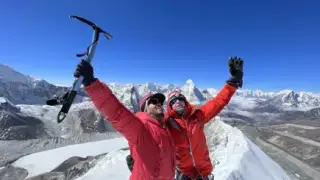
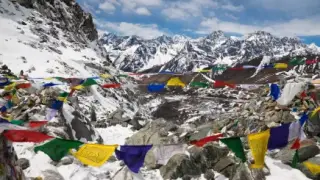

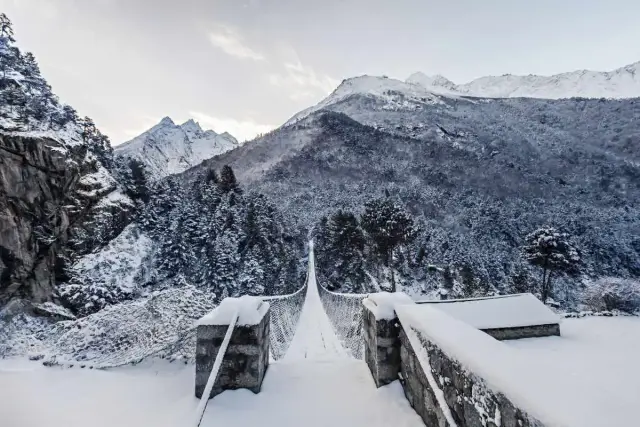

Yes, you can trek in Nepal in January, but pick the route for the cold. January is the coldest month. Kathmandu sees about 18 to 19°C by day and close to freezing at dawn, while nights at the highest Everest lodges drop to -15 to -25°C. The lower and mid-height treks work well: Ghorepani Poon Hill, Mardi Himal with warm gear, Helambu from Sundarijal, and the main Everest Base Camp trail if you can handle the cold. The big passes are the problem. Thorong La, Larkya La, Cho La and Kongma La are often snowbound for days at a time, and many lodges above about 3,500 m close until spring.
- SeasonMid-winter, the coldest month of the year
- KathmanduAbout 18 to 19°C by day, near 2°C at dawn
- Nights above 4,000 mAbout -15 to -25°C
- DaylightAbout 10.5 hours
- Best January treksPoon Hill, Mardi Himal, Helambu, EBC main trail
- Often snowboundThorong La, Larkya La, Cho La, Kongma La
- Lukla flightsFrom Kathmandu in winter, not Manthali
- GuideLicensed guide required on most routes since 1 April 2023
Are you looking to get out of your daily work and repetitive societal behavior? Do you need any refreshments for a new startup? Well, there can be various ways of taking you out of that zone, but trekking can be one of the adventurous ways to relieve you and give you a lifetime of memorable experiences. Whether a short hike or a long one, you will never miss showering the beauty of nature that brings peace inside you.
Trekking is the best outgoing platform for travel bloggers, streamers, and literature writers to experience new things and put them into their works. Similarly, hiking has several benefits in health, social and cultural understanding, adventure, wildlife sightseeing, stress relief, and many more. So why not take a step to hike when you feel like you need a new experience to start your life or career from scratch?
When you think of trekking, you have plenty of options. But you cannot just put Nepal aside as an option. Nepal is a massive platform for tourism, especially for trekking, since it has a mountainous land topography filled with the natural richness of flora and fauna. Nepal offers hundreds of destinations, including Annapurna Base Camp, Everest Base Camp, Kanchenjunga, Langtang Valley, Shey-Phoksundo Trekking, and many others, which can bring you back to your life with a new thought and perception.

There are several time options to trek in Nepal. Many travelers prefer the time between October and November, the peak autumn season, since it is the best time to enjoy trekking with the touch of natural beauty and wildlife. December to February is the winter season in Nepal, with January at its heart. So what does a January trek actually look like? Below are the temperatures to expect, the routes that stay open, the ones that snow shuts, and the festivals that fall in the month. For the wider picture of trekking outside the main seasons, see our guide to offseason trekking in Nepal.
Recommended Trekking Routes in Nepal in January
Nepal offers a wide variety of options when it comes to trekking routes in Nepal. Since it's a mountainous country and rich in natural beauty, every trek can be a life-changing experience for you. Nepal's climate runs from subtropical in the southern lowlands to arctic on the high peaks, so in January you can choose between a mild valley walk and a deep-snow expedition.
Here are five routes trekkers often pick for January, with notes on how each one copes with deep winter (for the Everest route in detail, see our guide to the Everest Base Camp trek in winter):
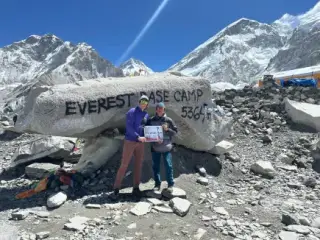
Everest Base Camp: Situated at 5,364 m above sea level, Everest Base Camp offers a majestic view of the highest peak in the world, Mount Everest. Your journey from Lukla to Everest will be a once-in-a-lifetime experience. In January the main trail stays open, but sunny days at base camp sit around -5 to 0°C and some higher lodges close. Lukla flights leave from Kathmandu itself in winter, and snow or wind can ground them, so keep a spare day or two at the end.
Annapurna Base Camp: Annapurna Base Camp features the panoramic view of Annapurna South, Annapurna I, Fishtail, and other famous peaks. The Gurung village in the course of your route is very hospitable, and the landscapes of the base camp can be one of the best sights of your life. Winter has one specific hazard here. Between Deurali and Machhapuchhre Base Camp the trail runs through a narrow gorge, and avalanches come down after heavy snow, mostly from January to March. An avalanche near Deurali in January 2020 killed four South Korean trekkers and three Nepali guides, so guides hold groups at Himalaya or Deurali until the slopes settle. More in our ABC or EBC comparison.
Shey-Phoksundo Trek: Shey-Phoksundo lake is the biggest attraction of this trek. During your winter hike, you can never be off from the scene of natural beauty. Places like Chhepka and the Suligad and Jugdual rivers are worth seeing on the way. January is a hard month for Dolpo, though. Flights into Juphal are often held by wind and cloud, many families move to lower villages, and the high passes beyond the lake are closed by snow, so the Upper Dolpo extension has to wait for May to October. Our Dho Tarap and Dolpo guide has the permits and the seasons.
Kanchenjunga Circuit Trek: This trek will give you the beauty of the world's third-highest peak, Mount Kanchenjunga (8,586m). The circuit tops out at Pangpema, the north base camp, at about 5,143 m (16,873 ft), with views of Kanchenjunga, Jannu (Kumbhakarna) and the peaks around them. Treat it as a winter trek for experienced snow walkers only. From late December to early March it is bitterly cold, some lodges close, and the Sele La crossing between the two base camps disappears under snow, so crampons and winter kit are needed. Spring and autumn suit most people far better, as our Kanchenjunga trek guide explains.
Langtang Valley Trek: If you are fond of moving glaciers, snow valleys, rivers, and mountains, Langtang Valley Trek can be your best option. Kyanjin Gompa (about 3,870 m) and Kyanjin Ri (about 4,773 m) give the widest views of Langtang Lirung (7,234 m), Dorje Lakpa and the peaks around them. The old monastery at Kyanjin and the yak pastures are the other draws. The rhododendron forests lower down flower in spring, so in January they are green and quiet. One access note for the coming winter: the 26 August 2026 flood in Rasuwa cut the road to Syabrubesi, so since Langtang reopened on 22 October 2026 our treks start from Thulo Syabru. Check our flood update before you plan Langtang.
January Temperatures by Altitude
No weather station covers most trekking villages, so the figures below are rough January estimates taken from our winter guides for each region. The bar shows how far below freezing the coldest nights go. Wind makes the high passes feel far colder than the thermometer says, and a clear, still night is always the coldest.
| Place | Altitude | January (night to day) | Coldest night | From |
|---|---|---|---|---|
| Pokhara | 827 m | 7 to 20°C | Manaslu winter guide (Pokhara normals) | |
| Kathmandu | about 1,340 m | about 2 to 19°C | Travel-guide averages | |
| Mardi Himal High Camp | 3,580 m | around -10°C at night | Mardi Himal guide | |
| Samagaon, Manaslu | 3,530 m | -11 to 2°C | Manaslu winter guide | |
| Manang | 3,540 m | -10 to -15°C at night | Annapurna Circuit winter guide | |
| Dharamsala, below Larkya La | 4,460 m | -17 to -3°C | Manaslu winter guide | |
| Thorong Phedi | 4,540 m | -15 to -20°C at night | Annapurna Circuit winter guide | |
| Gorak Shep and Everest Base Camp | 5,170 to 5,364 m | -25 to 0°C | EBC winter guide |
Below about 2,500 m a sunny January afternoon feels mild, and Pokhara and Chitwan are pleasant for walking. Above 3,500 m the cold is the main event. Teahouse rooms have no heating, so bring a sleeping bag rated to about -20°C for anything higher than Poon Hill.
Which Treks Are Open in January?
No pass in Nepal has an official closing date. Whether you cross depends on the last snowfall, the wind and which lodges are still open below it, and the lodge owners near each pass know best on the day. This is how the main routes usually behave in January.
| Route | Highest point | January | What to expect |
|---|---|---|---|
| Ghorepani Poon Hill | 3,210 m | Good | Frosty mornings, lodges open, clear sunrise views. Our 4-day trek works well in winter. |
| Mardi Himal | about 4,500 m | Possible | Snow above Badal Danda, nights around -10°C at High Camp, a few lodges shut. Microspikes help. |
| Helambu from Sundarijal | Tharepati, about 3,650 m | Possible | Quiet, and untouched by the 2026 flood. Snow can sit on the ridge around Tharepati. |
| Everest Base Camp main trail | 5,364 m | Possible | Open all winter and very cold. Some lodges above Dingboche close, and the guide books beds ahead. |
| Annapurna Base Camp | 4,130 m | Possible | Cold nights and an avalanche zone between Deurali and Machhapuchhre Base Camp after heavy snow. |
| Annapurna Circuit, Thorong La | 5,416 m | Risky | Snowfalls can shut the pass for days, and many lodges above Manang close. |
| Everest high passes (Cho La, Kongma La, Renjo La) | 5,360 to 5,535 m | Avoid | Often blocked by snow in deep winter. |
| Manaslu Circuit, Larkya La | 5,106 m | Avoid | The pass is often snowbound and many lodges at Samdo and Dharamsala close. |
| Kanchenjunga | Pangpema, about 5,143 m | Avoid | Bitter cold, some lodges shut, the Sele La under snow. |
| Upper Dolpo | Kang La, about 5,350 m | Avoid | High passes closed and many villagers move to lower valleys. |
| Langtang and Gosaikunda | Laurebina La, about 4,610 m | Open | Reopened 22 October 2026 after the August flood; treks start from Thulo Syabru or Dhunche. |
For the pass routes in detail, read our winter guides for the Annapurna Circuit and the Manaslu Circuit. If you want the Everest region with less cold, our month-by-month Everest guide compares every month.

What to Pack for Your Nepal Trek In January?
When you are excited about the trek in Nepal in January, you might be excluding the fact that winter can be harsh. So always acknowledge the truth about the winter in Nepal, especially in the Himalayan region. Since most trekking routes are in the Himalayan region, being well-prepared will be the best choice rather than being in trouble due to the cold.
There are several things to prepare, from packing your gear/equipment, food, water, and hiring porters and guides, all come inside your plan before the winter trek in Nepal. The first thing to plan is your gear and equipment. Since the winter in the Himalayan region is so challenging, having a proper outfit alongside your skincare (Optional) is very important. Several trekkers suggest having sufficient food, water, thermal clothes, winter jackets, boots, and other physical equipment for a safe hike. You can buy the gear in Thamel, Kathmandu - from quality, expensive goods to equipment at a reasonable price. Thamel offers you a wide range of trekking items and itineraries. For January above 3,500 m, add a sleeping bag rated to about -20°C, microspikes for icy trail, gaiters, a balaclava and two pairs of gloves. Our trekking gear list has the full kit.
Similarly, always have a first aid kit with you, because help is far away in the freezing climate. The real risks are frostbite, hypothermia and altitude sickness, since the air holds less oxygen the higher you go. Severe altitude sickness can lead to fluid in the lungs (HAPE) or swelling of the brain (HACE), and both can kill, so the plan is simple. Climb slowly, sleep no more than about 500 m higher each night above 3,000 m, and go down if symptoms get worse. Many organised groups carry a pulse oximeter, and it's worth asking your agency whether yours carries emergency oxygen.
Health and Safety Tips for Trekking in Nepal
Your health and safety always come first, and winter leaves less room for mistakes. We suggest you prepare for the cold before you fly. Train outdoors in cold weather, practise on hills with a loaded pack, and do cardio to build stamina and endurance.
Besides that, always have insurance when traveling in winter. Make sure it covers trekking up to 6,000 m and helicopter evacuation, because a rescue from a snowbound valley is far too expensive to pay yourself. Our trekking insurance guide explains what to check.
A licensed guide has been mandatory on most of Nepal's trekking routes since 1 April 2023, though the rule isn't enforced in the Khumbu. In January a good guide is worth double. They know which lodges are open, when a pass is safe and when to wait a day.
Weather and Climate in Nepal During January
The weather and climate in January are tyrannical. Illness, ice and snow-blocked trails can all get in the way of your trip.
In January, daytime temperatures in Kathmandu reach about 18 to 19 degrees Celsius, falling to around 2 degrees before dawn. It's also one of the driest months of the year. It is ideal for sightseeing - if you are at destinations like Kathmandu and Chitwan, sightseeing at temples/monuments and wildlife can be thrilling.
But if you are on a trek, things change fast with height. Above Dingboche on the Everest trail, sunny days sit around 0 to -10 degrees Celsius, and nights at the highest lodges fall to -15 to -25 degrees. Wind chill makes it feel colder still. That's why we suggest you be well-prepared for a winter trek in Nepal.
Daylight, Flights and Festivals in January
Around the winter solstice the Himalaya gets about ten and a half hours of daylight, and in the deep valleys the sun drops behind the ridges by mid-afternoon. Start walking soon after sunrise and plan to reach the next lodge before about 4 pm. From December to February, Lukla flights leave from Kathmandu itself, since the move to Manthali in Ramechhap only applies in spring and autumn. Snow, wind and morning fog can still delay them, so keep a spare day at the end of the trip.
January also brings a few festivals worth timing a trip around. The Gurung community celebrates Tamu Losar, their new year, around 30 December, with the biggest gatherings in Pokhara. Maghe Sankranti marks the first day of the month of Magh, on 15 January 2027 according to the published 2027 holiday calendars, and families eat sesame sweets, yam and ghee. Sonam Lhosar, the Tamang new year, fell on 19 January in 2026 but follows the lunar calendar, and the 2027 calendars place it in early February. Gyalpo Losar, the Sherpa and Tibetan new year, comes later still, in late February or March. Our festival treks guide has the full calendar.

Accommodation Options for January Trekking
In Kathmandu you can choose from hotels in every price range, and many include breakfast. On a free evening, a dinner with traditional dances is a warm way to spend a cold night.
And during the trek, you can find various lodges in the Base Camps. Whether you are hiking to Everest or Annapurna, teahouses along the main routes offer simple rooms, though many at higher elevations close for the winter. Your trekking agency will confirm which lodges are open.
You can find many tea shops and small lodges to rest and have snacks when you are on your route. You can choose your place to stay depending on your budget rate. A basic teahouse room costs about USD 5 to 10 a night, and some lodges lower their rates in winter because business is slow. Lodges expect you to eat where you sleep. Rooms have no heating, and the dining room stove is the only warm place in the evening, so bring your own sleeping bag and warm layers from the start.
Camping is another option, but we don't recommend it for most January treks. It only makes sense on a fully supported trip with four-season tents, a kitchen crew and sleeping bags rated well below -20°C. Warm clothes, headtorches with spare batteries and insulated water bottles should all be on the list if you plan to camp.
Is January a Good Month to Trek in Nepal?
January suits trekkers who want empty trails and clear skies and don't mind the cold. You will meet the extreme Himalayan winter, but a sensible route and a proper plan make it a rewarding trip. Porters and guides make the logistics easier and share what they know of the villages on the way. If you'd rather avoid the deepest cold, early December or late February to March give similar quiet with milder nights. When you're ready, get in touch and we'll help you match a route to your dates.
Trekking in Nepal in January: FAQs
Is January too cold to trek in Nepal?
Not for the lower and mid-height treks. Poon Hill, Helambu and the Kathmandu valley hikes stay comfortable with layers. Above about 3,500 m nights fall to -10°C or lower, and at the highest Everest lodges to -15 to -25°C, so you need a warm sleeping bag and good boots.
Can I cross Thorong La or Larkya La in January?
Sometimes, but don't count on it. Snowfalls can shut both passes for days in January and February, and many lodges below them close. If you go, carry microspikes, keep at least two spare days and be ready to turn back.
Is the Everest Base Camp trek open in January?
Yes. The main trail through Namche, Tengboche and Dingboche stays open all winter, though heavy snow can block sections for a day or two and some high lodges close. The Cho La and Kongma La passes are often blocked.
What is the easiest trek in Nepal in January?
Ghorepani Poon Hill. It tops out at 3,210 m, lodges stay open, and the 4-day trek from Pokhara gives clear sunrise views of Dhaulagiri and the Annapurnas. The Chisapani and Nagarkot hike near Kathmandu is an even gentler option.
Are teahouses open in January?
Lower down, most are. Above about 3,500 m many close for the season, because owners spend the coldest months in Kathmandu or Pokhara. Your guide or agency should confirm which lodges are open before you leave.