
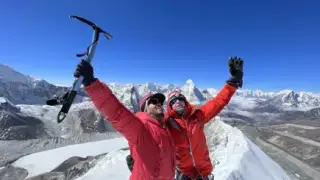
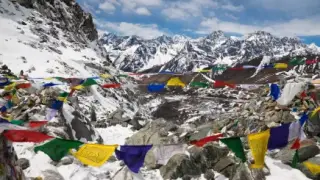


For most people the best treks in Nepal are Everest Base Camp (12 to 14 days, up to 5,545 m), Annapurna Base Camp (7 to 14 days, 4,130 m) and the Annapurna Circuit (12 to 14 days, over the 5,416 m Thorong La). Short on time? Poon Hill and Mardi Himal take under a week. For quiet trails, look at Manaslu, Tsum Valley, Nar Phu or Upper Dolpo, which all need restricted area permits. A licensed guide is required on most routes, and Langtang-area treks are affected by the August 2026 flood, so check access first.
- Treks compared30, from 2 to 28 days
- ShortestChisapani Nagarkot, 2 to 3 days
- LongestUpper Dolpo, 20 to 28 days
- Highest standard pointKala Patthar, 5,545 m
- Best seasonsMar to May, Sep to Nov
- Guide ruleLicensed guide on most routes
A small landlocked country in the Himalaya, Nepal is one of the most sought-after trekking destinations in the world. The mix of mountain views, varied landscapes, wildlife, and diverse cultures, traditions, and religions make everyone gush over it. The trekking destinations here range from plain lowlands to lower hills to higher altitudes. Nepal is one of the best out there for adventurous activities while on a trek, like rafting, rock climbing, paragliding, etc.
Here are 30 of the best treks it has to offer. The table compares them at a glance, and each one has its own section below.
The 30 Treks Compared
Days are typical itinerary lengths and vary by operator and route. Tap a name to jump to that trek.
| Trek | Region | Days | Highest point | Difficulty | Permits |
|---|---|---|---|---|---|
| 1. Annapurna Circuit Trek | Annapurna | 12 to 14 | Thorong La, 5,416 m | Difficult | ACAP, TIMS |
| 2. Everest Base Camp Trek | Everest | 12 to 14 | Kala Patthar, 5,545 m | Moderate to difficult | Khumbu fee, SNP |
| 3. Mardi Himal Trek | Annapurna | 5 to 7 | Mardi Himal BC, ~4,500 m | Moderate | ACAP, TIMS |
| 4. Annapurna Base Camp Trek | Annapurna | 7 to 14 | ABC, 4,130 m | Moderate | ACAP, TIMS |
| 5. Langtang Valley Trek | Langtang | 7 to 10 | Kyanjin Ri, 4,773 m | Moderate | Langtang NP, TIMS |
| 6. Gosaikunda Trek | Langtang | 5 to 7 | Gosaikunda, 4,380 m | Moderate | Langtang NP, TIMS |
| 7. Upper Mustang Trek | Mustang | 10 to 16 | Lo Manthang, ~3,840 m | Moderate | Restricted (USD 50/day), ACAP |
| 8. Upper Dolpo Trek | Dolpo | 20 to 28 | Kang La, ~5,350 m | Very difficult | Restricted, Shey Phoksundo NP |
| 9. Rara Lake Trek | Karnali | 7 to 14 | Danphe Lagna, ~3,700 m | Moderate | Rara NP |
| 10. Tsum Valley Trek | Manaslu | 12 to 16 | Mu Gompa, ~3,700 m | Moderate | Restricted, MCAP |
| 11. Tamang Heritage Trail | Langtang | 7 to 10 | Nagthali, ~3,165 m | Easy to moderate | Langtang NP, TIMS |
| 12. Manaslu Circuit Trek | Manaslu | 13 to 14 | Larke La, 5,106 m | Difficult | Restricted, MCAP, ACAP |
| 13. Gokyo Lakes Trek | Everest | 12 to 15 | Gokyo Ri, 5,357 m | Moderate to difficult | Khumbu fee, SNP |
| 14. Khopra Ridge Trek | Annapurna | 7 to 10 | Khayer Lake, ~4,600 m | Moderate | ACAP, TIMS |
| 15. Nar Phu Valley Trek | Annapurna | 12 to 16 | Kang La, ~5,320 m | Difficult | Restricted, ACAP |
| 16. Helambu Trek | Helambu | 5 to 8 | Tharepati, ~3,650 m | Easy to moderate | Shivapuri and Langtang NP, TIMS |
| 17. Panch Pokhari Trek | Jugal (Sindhupalchok) | 7 to 10 | Panch Pokhari, ~4,100 m | Moderate | Check with agency |
| 18. Poon Hill Trek | Annapurna | 3 to 5 | Poon Hill, 3,210 m | Easy | ACAP, TIMS |
| 19. Panchase Trek | Pokhara hills | 3 to 4 | Panchase, ~2,500 m | Easy | Check with agency |
| 20. Royal Trek | Pokhara hills | 3 to 4 | ~1,730 m | Easy | Check with agency |
| 21. Rolwaling Valley Trek | Rolwaling | 7 to 14 | Tsho Rolpa, ~4,580 m | Difficult | Gaurishankar CA, partly restricted |
| 22. Makalu Base Camp Trek | Makalu | 18 to 22 | Makalu BC, ~4,870 m | Difficult | Makalu Barun NP |
| 23. Pothana (Australian Camp) Trek | Annapurna | 2 to 4 | Australian Camp, ~2,060 m | Easy | ACAP, TIMS |
| 24. Ghandruk Trek | Annapurna | 3 to 4 | ~2,100 m | Easy | ACAP, TIMS |
| 25. Khumai Danda Trek | Annapurna | 4 to 5 | Korchon, ~3,680 m | Easy to moderate | ACAP, TIMS |
| 26. Ama Yangri Trek | Helambu | 3 to 4 | Ama Yangri, 3,771 m | Easy to moderate | Check with agency |
| 27. Dhaulagiri Circuit Trek | Dhaulagiri | 18 to 21 | French Pass, 5,360 m | Very difficult | ACAP, TIMS |
| 28. Chisapani Nagarkot Trek | Kathmandu rim | 2 to 3 | ~2,450 m | Easy | Shivapuri NP |
| 29. Sikles Trek | Annapurna | 5 to 9 | Sikles, ~1,980 m | Easy | ACAP, TIMS |
| 30. Api Himal Trek | Far west | 14 to 18 | Api BC, ~4,000 m | Moderate to difficult | Api Nampa CA, partly restricted |
How high each trek goes
| Highest point | Altitude | Metres |
|---|---|---|
| Kala Patthar (EBC) | 5,545 m | |
| Thorong La (Annapurna Circuit) | 5,416 m | |
| French Pass (Dhaulagiri) | 5,360 m | |
| Gokyo Ri (Gokyo Lakes) | 5,357 m | |
| Kang La (Upper Dolpo) | 5,350 m | |
| Kang La (Nar Phu) | 5,320 m | |
| Larke La (Manaslu) | 5,106 m | |
| Makalu Base Camp | 4,870 m | |
| Kyanjin Ri (Langtang) | 4,773 m | |
| Annapurna Base Camp | 4,130 m | |
| Lo Manthang (Upper Mustang) | 3,840 m | |
| Poon Hill | 3,210 m |
Anything above about 2,500 m needs a slow ascent. On the treks above 5,000 m, plan rest days and know the signs of altitude sickness before you go.
1. Annapurna Circuit Trek
The Annapurna Circuit Trek is a popular trekking route in Nepal that takes you through various landscapes and elevations, ranging from lush subtropical forests to arid high-altitude deserts. Most itineraries take 12 to 14 days, or longer with side trips such as Tilicho Lake, and cover roughly 160 to 230 kilometers depending on the route.
The trek starts in the town of Besisahar and follows the Marsyangdi River valley, passing through charming villages and terraced rice and millet fields.

As you ascend higher, the landscape changes to alpine forests and eventually to barren high-altitude deserts. The highest point of the trek is the Thorong La Pass, which stands at an elevation of 5,416 meters (17,769 feet) and offers wide views of the surrounding mountains, including the Annapurna massif, Dhaulagiri, and Manaslu.
Along the way, trekkers have the opportunity to experience the unique culture and hospitality of the local people, who are mostly Gurung, Manangi and Thakali. The trek passes through several traditional villages, including Pisang, Manang, and Jomsom, where you can observe the local way of life and sample delicious Nepalese cuisine.
Roads now reach Manang on one side of the pass and Muktinath on the other. Plenty of trekkers walk the quieter NATT trail sections that keep away from the jeep road, and some drive the lower stages to save time. Permits are ACAP (NPR 3,000) and a TIMS card (NPR 2,000), and a licensed guide is required.
Overall, the Annapurna Circuit Trek is a challenging but rewarding adventure that offers a unique blend of natural beauty, cultural immersion, and physical challenge. It is a must-do for any avid trekker or adventure seeker visiting Nepal.
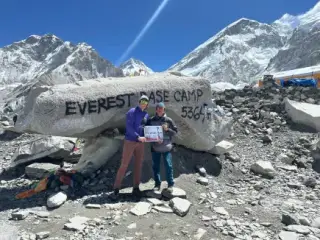
2. Everest Base Camp Trek
The Everest Base Camp trek is one of Nepal's most popular and iconic treks. It takes you through the Khumbu region, offering views of the highest peaks in the world. The trek starts from Lukla and goes up to Kala Patthar, giving you up-close views of Mount Everest and neighboring peaks.
The Everest base camp trek is an adventure that typically lasts 12 to 18 days and takes you through the Solukhumbu region of Nepal. The journey begins in Lukla and passes through places such as Namche, Dingboche, and Tengboche. The main attractions include close views of Everest (Sagarmatha), Kala Patthar, Tengboche Monastery, the Sherpa Culture Museum in Namche, and longer variations that add Gokyo Lakes or the three high passes, Kongma La, Cho la Pass, and Renjo la Pass.

A significant aspect of this trek is a part of Sherpa's cultural practices since they are the original inhabitants of the area. Keep in mind that the maximum height of the trek is 5,545 m / 18,192 ft at Kala Patthar, which makes it susceptible to mountain sickness. Therefore, people with chronic illnesses or lung issues, weak joints, and little previous experience should avoid participating in this trek. It's noteworthy that adequate planning and preparation can minimize health risks associated with high-altitude treks like this one.
Permits are the Khumbu Pasang Lhamu Rural Municipality fee (NPR 3,000) and the Sagarmatha National Park fee (NPR 3,000). No TIMS card is needed in the Everest region.
3. Mardi Himal Trek
The Mardi Himal trek is a hidden gem in the Annapurna region of Nepal. It's a short, moderate trek that takes you through beautiful forests, traditional villages, and landscapes.
The trail of dense rhododendron forests, beautiful valleys, waterfalls, small villages, and mountains like Annapurna I (8,091 m / 26,545 ft), Mardi, Dhaulagiri (8,167 m / 26,795 ft), Manaslu (8,163 m / 26,781 ft) and Machhapuchhre (Fishtail, 6,993 m / 22,943 ft) are the specialties of the Mardi Himal trek.
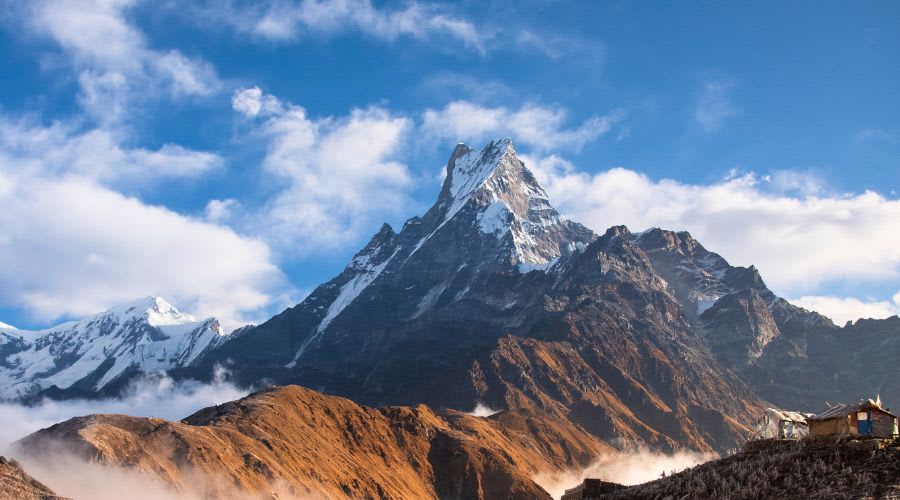
With the highest point at Mardi Himal Base Camp, about 4,500 m / 14,764 ft (many groups turn round at the upper viewpoint, about 4,200 m), there is a considerable chance of experiencing altitude sickness during this trek. Despite that, it is still an excellent choice for beginners as it is a shorter trek with a moderate trail.
4. Annapurna Base Camp Trek
Starting and ending in Pokhara, with a drive to Nayapul or on to Ghandruk, the Annapurna Base camp trek takes you to the Annapurna region in the central north part of Nepal. The highlight of the Annapurna base camp trek is the Annapurna conservation area that gets you close to endangered species. You can experience the lifestyle of the Himalayas and get familiar with their culture and traditions. Its views take in mountains like Hiunchuli Himal, Machhapuchre Himal, Annapurna I, Annapurna South, etc.

The maximum altitude of the Annapurna base camp trek is 4,130 m / 13,550 ft, so it has a high risk of mountain and altitude sickness. Because of the altitude and the frequent change in land structures throughout the trail, the Annapurna base camp trek is not the easiest yet a beginner-friendly trek. A healthy individual who can walk at least 6 hours a day can easily complete the Annapurna Base camp trek. Children, older trekkers and anyone with heart or lung problems should check with a doctor first.
5. Langtang Valley Trek
Langtang Valley, situated north of Kathmandu city, is a popular destination for trekkers. The classic trail of the Langtang Valley trek starts from Syabrubesi and takes 7 to 10 days from Kathmandu, with 5 to 7 of them on the trail. The trek is renowned for its views of mountains such as Langtang Lirung (7,234 m), Langshisha Ri (6,412 m), Kimshung (6,781 m) and Dorje Lakpa, among others. The Langtang national park is another attraction on this trek, which houses rare animals such as red pandas, musk deer, Himalayan tahr, etc.
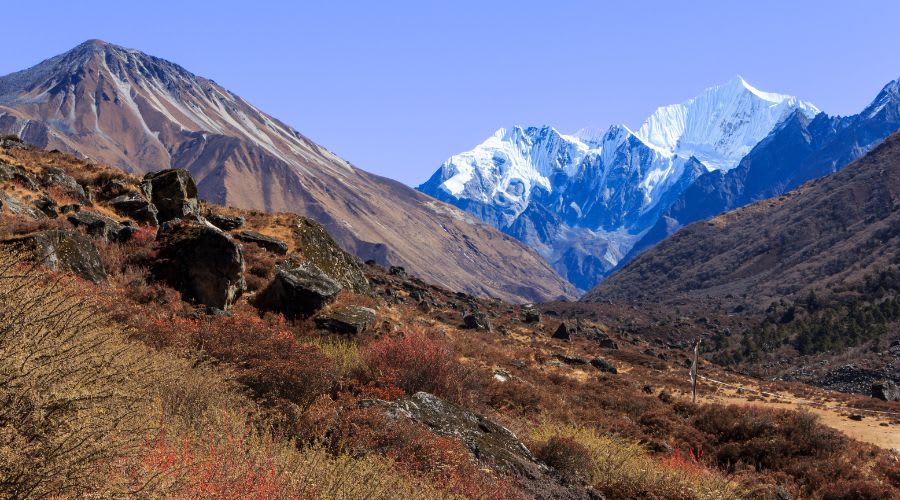
Another highlight of the trek is Kyanjin Gompa, an ancient Buddhist monastery surrounded by mountains. The trek's highest point is Kyanjin Ri, which stands at an altitude of 4,773 m / 15,659 ft. Although moderately challenging, the Langtang Valley trek offers a diverse terrain ranging from forests to rocky terrains with some ascents. It's a great option for those seeking adventure and natural beauty in equal measure.
Access in autumn 2026: the 26 August 2026 Rasuwa flood destroyed the bridges at Betrawati and Syabrubesi. A Bailey bridge at Betrawati has reconnected the road to Thulo Syabru, TAAN reopened the valley for trekking on 22 October 2026, and our Langtang departures now start from Thulo Syabru, or on foot from Helambu. Read our Nepal flood 2026 trekking update before you book.
6. Gosaikunda Trek
Gosaikunda is an alpine lake located at an altitude of 4,380 m. The lake holds immense religious significance for both Hindus and Buddhists, as it is believed to have been created by Lord Shiva with his trident. The trek to Gosaikunda Lake takes about 5 to 7 days from Dhunche and has views of the surrounding mountains, such as Ganesh Himal, Manaslu, Dorje Lakpa, and Himal Chuli.
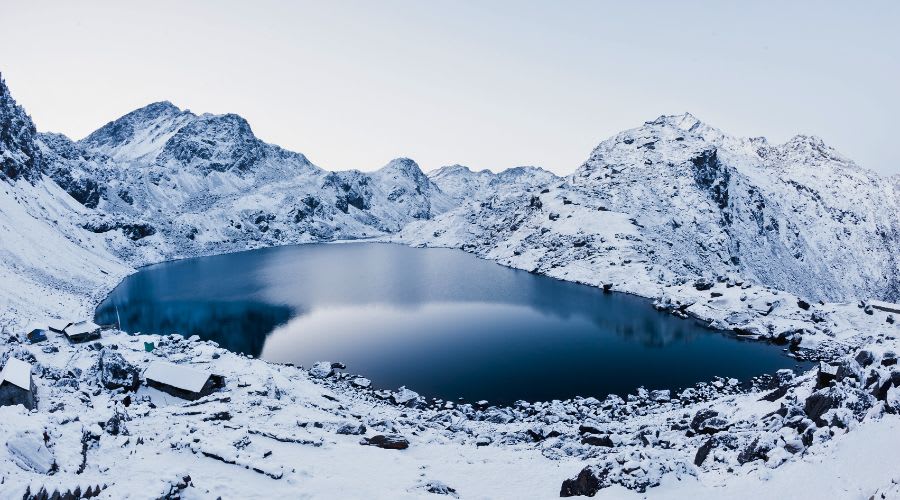
The trail also takes you through small traditional villages, forests, rivers, and mountain passes. The trail is not technical, but the lake sits at 4,380 m, so first-timers should climb slowly and spend a night around Chandanbari (Sing Gompa, about 3,330 m) on the way up. The Gosaikunda trek is an excellent choice for those seeking adventure without taking on overly strenuous challenges.
The usual road to Dhunche crosses the Trishuli at Betrawati, where the 26 August 2026 flood took out the bridge. Until a temporary bridge opens, groups are coming in from the Helambu side over Laurebina La (4,610 m) instead, which adds days and height. See our Nepal flood 2026 trekking update.
7. Upper Mustang Trek
The Upper Mustang trek in Nepal is an adventure that takes you to the north-central part of the country. Starting from Jomsom (reached via Pokhara), the trail heads north through Kagbeni into the old kingdom of Lo. Many itineraries add Muktinath temple, a holy site for both Hindus and Buddhists. The temple features 108 faucets believed to wash away all sins and provide spiritual purification.
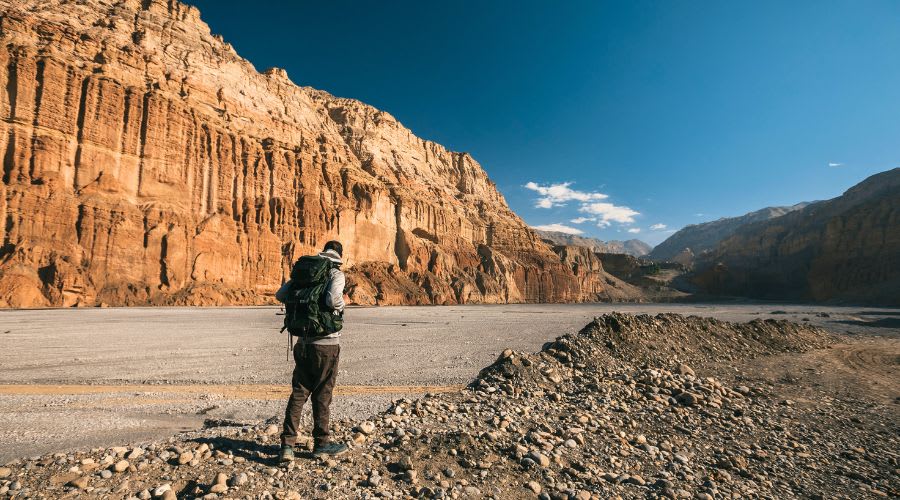
Other highlights include the ancient walled city of Lo Manthang, the Kaligandaki river gorge, red monastery, apple farms, and mountain views of Dhaulagiri and Annapurna, and the cave monasteries of Garphu and Nyiphu. Most itineraries take 10 to 16 days. The trail is dry, windy and dusty, Lo Manthang sits at about 3,840 m and several passes come close to 4,000 m, so it suits trekkers with some experience. The views and unique cultural experiences make it a journey worth taking for those seeking an adventure in Nepal.
Upper Mustang has been open to foreigners only since 1992 and is a restricted area. The permit is USD 50 per person per day inside the zone, plus the ACAP fee (NPR 3,000), and it has to be arranged through an agency with a licensed guide. Our Upper Mustang permit guide has the details.
8. Upper Dolpo Trek
The Upper Dolpo trek is a journey to the most remote part of western Nepal. The trek starts from Juphal through Nepalgunj and covers rugged paths and landscapes, making it one of the longest treks, at about 20 to 28 days. The trek's main highlight is Shey Phoksundo Lake (3,611 m / 11,847 ft), while other attractions include the Kang La and Numa La passes, the old Shey Gompa monastery, and Shey Phoksundo National Park.
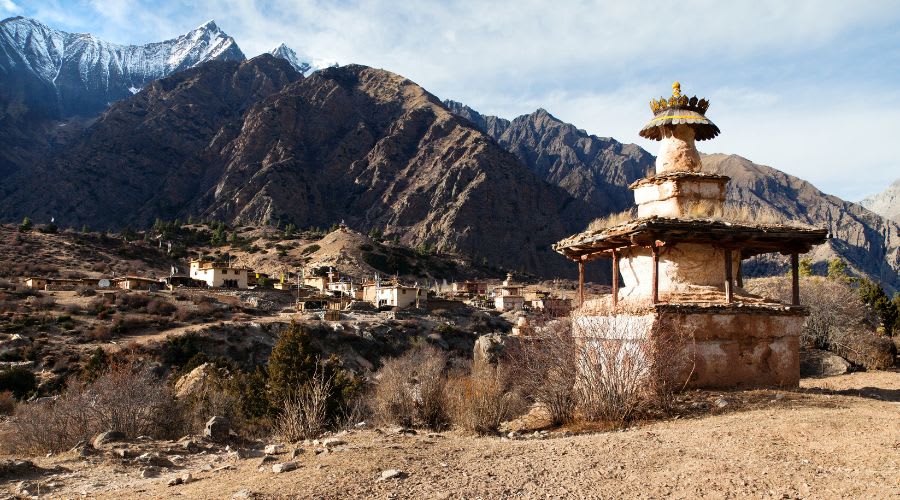
The highest point is Kang La, at about 5,350 m / 17,550 ft, with wide views of the surrounding mountains and valleys. The Upper Dolpo trek is an excellent opportunity for adventure seekers to explore Nepal's natural beauty while immersing themselves in its culture and history.
Upper Dolpo is a restricted area. The permit costs USD 500 for the first 10 days, then USD 50 a day, on top of the Shey Phoksundo National Park fee (NPR 3,000). Most of the route is camping, and flights between Nepalgunj and Juphal are often delayed by weather, so leave spare days.
9. Rara Lake Trek
Rara Lake, inside Rara National Park, is Nepal's largest freshwater lake and is considered sacred by locals. The park is situated in the Mugu and Jumla districts and provides a habitat for various wildlife species such as musk deer, wild otter, jackal and leopard.
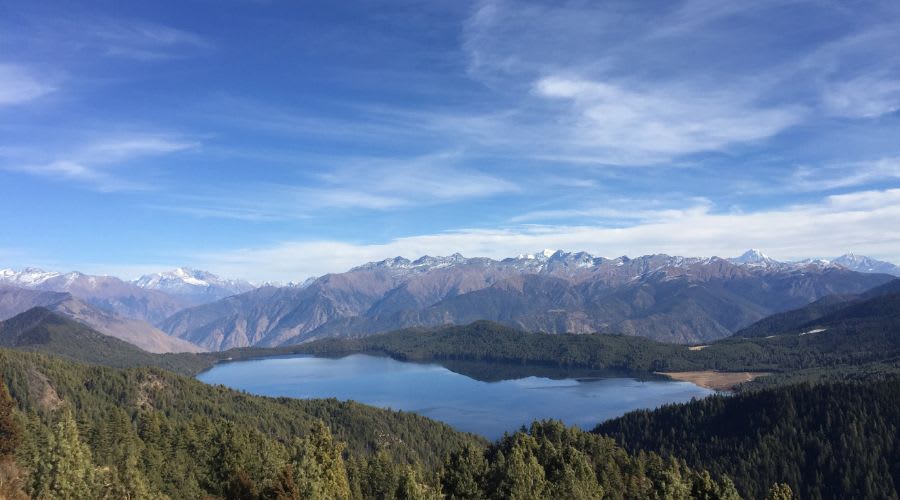
The Rara trek is known for its off-the-beaten-path trail that remains isolated from the crowd. The classic walk-in from Jumla takes about two weeks, a fly-in version to Talcha takes about a week, and both offer views of far-western giants such as Api and Saipal. The trek's maximum altitude goes up to about 3,700 m / 12,140 ft at the Danphe Lagna pass, making it moderately difficult but worth it for the scenery.
10. Tsum Valley Trek
Tsum Valley, located in the Manaslu region of Nepal, is a popular trekking destination offering diverse landscapes and cultural experiences. The trek starts from Machha Khola, reached by jeep from Arughat and Soti Khola, and takes you through subtropical forests to mountains. You'll also come across many Buddhist monasteries, including Rachen Gompa and Mu Gompa.
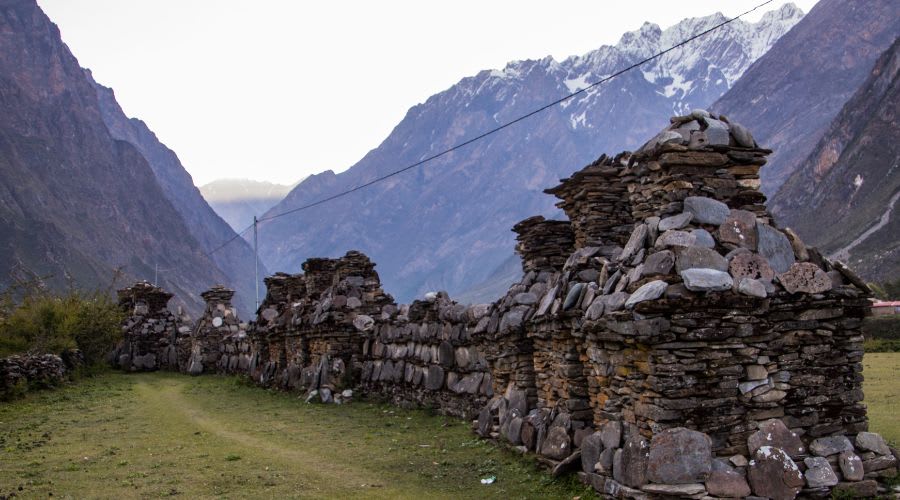
Manaslu, Ganesh Himal and Himal Chuli fill the skyline, and the villages keep a Tibetan way of life. The Tsum Valley trek is around 14 to 16 days long and reaches a maximum elevation of about 3,700 m / 12,139 ft at Mu Gompa. It is moderately difficult for beginners but easy for experienced trekkers. In addition to the natural beauty, the unique culture and traditions of the local people are also highlights of this trek. Visitors can witness their way of life and practices firsthand while enjoying the surroundings. For those seeking an unforgettable adventure in Nepal, Tsum Valley should be at the top of their list.
Tsum has its own restricted area permit: USD 40 for the first 7 days from September to November (USD 30 at other times), then USD 7 a day, plus the Manaslu Conservation Area fee. Add the Manaslu permit too if you combine it with the circuit.
11. Tamang Heritage Trail
As the name suggests, this trek is close to the Tamang people, their heritage, and their lifestyle. Starting from Syabrubesi, this trail suits beginners, with homestays and lodges in the villages. You can see the Gosaikunda range, Ganesh Himal, Manaslu, and Annapurna. Gatlang village and the Tatopani hot springs are the best-known stops.

The highest point is Nagthali Danda, at about 3,165 m / 10,384 ft. It is an excellent opportunity to immerse yourself in the culture and beauty of Nepal's mountainous region while enjoying a moderate-level trekking experience.
The trail starts at Syabrubesi, which the 26 August 2026 Rasuwa flood cut off, so this trek is on hold until the road and the bridges at Timure are rebuilt. Check our Nepal flood 2026 trekking update for the latest.
12. Manaslu Circuit Trek
The Manaslu Circuit Trek is a popular trekking route located in central-western Nepal. It begins at Machha Khola and ends at Besi Sahar, taking trekkers through the Budhi Gandaki valley and offering views of mountains such as Manaslu, Himalchuli, Ganesh, Shringi Himal, and Himlung Himal. The highlight of the trek is crossing the Larkya La Pass, which stands at an elevation of 5,106 m / 16,752 ft.
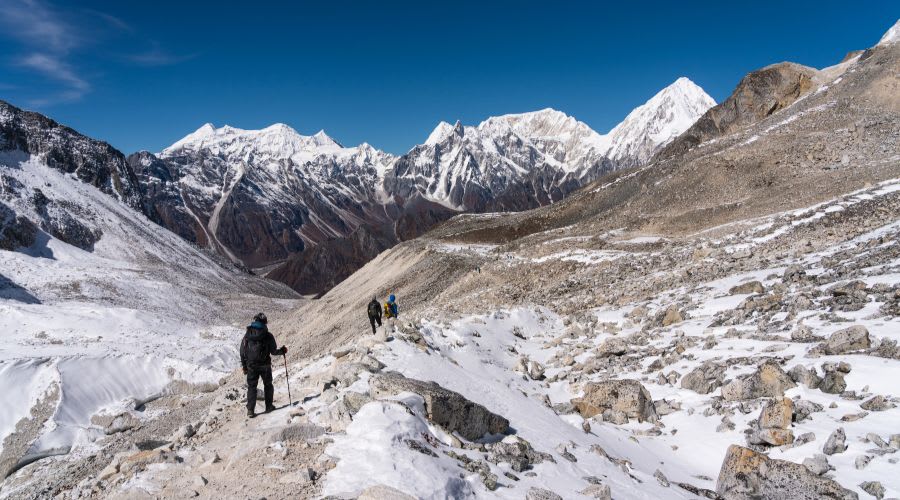
The trek takes about 13 to 14 days, or up to 18 with side trips, and offers a unique opportunity to experience both Tibetan and Nubri culture. However, the trail can be challenging due to its rugged landscapes and steep ascents, making it more suitable for experienced hikers. Despite the difficulty level, the trek offers panoramic views, making it a once-in-a-lifetime experience for those up for the challenge.
Manaslu is a restricted area. The permit is USD 100 for the first 7 days from September to November (USD 75 at other times), then USD 15 a day (USD 10 off season), plus the Manaslu Conservation Area and ACAP fees. A licensed guide is required. Our Manaslu permit guide covers the 2026 rules.
13. Gokyo Lakes Trek
The Gokyo Lakes Trek is a thrilling alternative to the Everest Base Camp trek within the Sagarmatha National Park. This roughly two-week trek takes you through Phakding, Namche Bazar, and Machhermo. The main attraction of the trek is the turquoise Gokyo Lake, along with Thonak Tsho, Ngozumpa Tsho, and the other lakes of the chain.
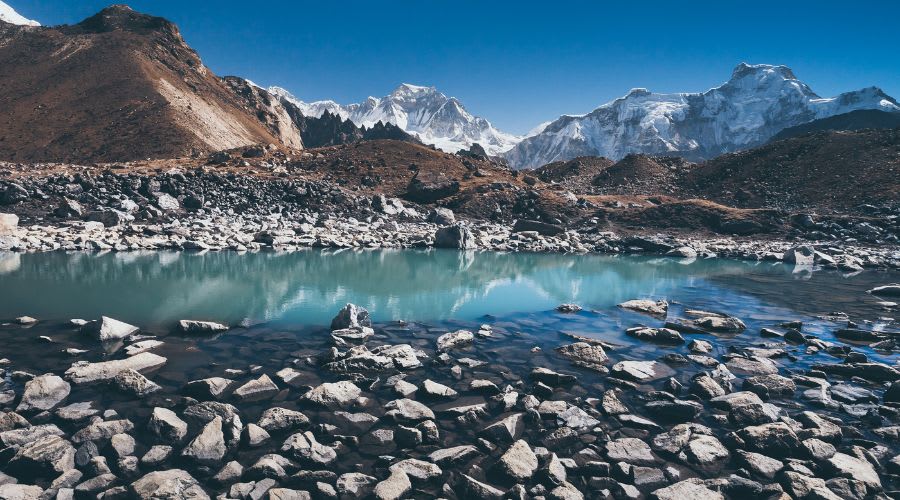
You will also witness the Ngozumpa glacier and enjoy a mesmerizing view of Cho Oyu Mountain from Gokyo Ri. The trek offers an insight into the lifestyle of brave Sherpas living in this region. The maximum altitude you will reach on the trek is 5,357 m / 17,575 ft at Gokyo Ri. It's a perfect choice for nature lovers and adventure enthusiasts who wish to explore some of Nepal's most exquisite natural wonders.
14. Khopra Ridge Trek
The Khopra Ridge trek in the Annapurna region of Nepal takes 7 to 10 days on the trail and has some of the best views in the Himalaya. From Ghandruk the trail climbs through Tadapani and Bayeli Kharka to Khopra Danda (about 3,640 m), with a long day hike up to Khayer Lake, and comes back down through Upper Chistibung and Swanta. The trek is famous for its views of Mt. Dhaulagiri, Mt. Nilgiri, Mt. Machhapuchre (Fishtail), and Mt. Annapurna, along with the picturesque Khayer Lake.
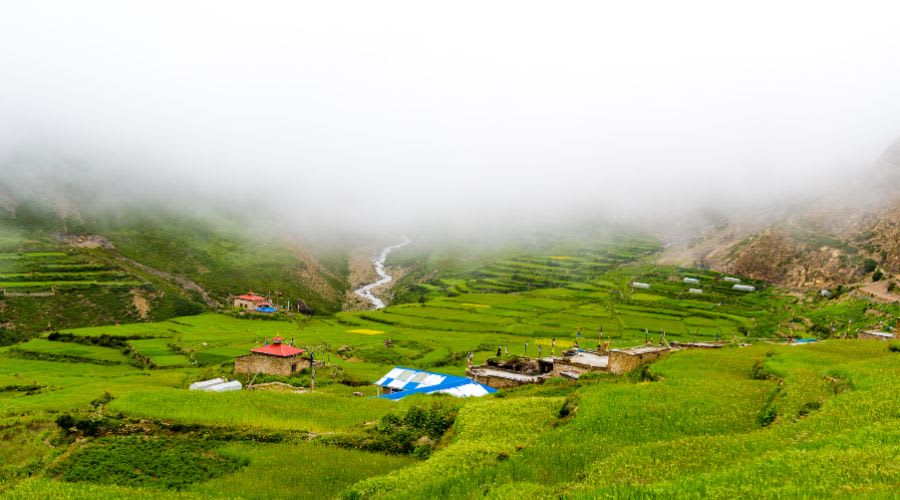
The route takes you through diverse landscapes, including alpine meadows and rhododendron forests, offering an unforgettable experience to adventure enthusiasts seeking to explore the natural beauty of Nepal. The highest elevation reached on the trek is about 4,600 m / 15,092 ft at Khayer Lake (some sources give 4,660 m), which can be challenging but rewarding as it provides panoramic views of the surrounding mountains. Overall, the Khopra Ridge trek is a must-visit for anyone looking to immerse themselves in Nepal's scenery and unique culture.
15. Nar Phu Valley Trek
Nar Phu Valley lies in the Annapurna region of Nepal. The trek to Nar Phu Valley is a 12 to 14-day journey through forests, rivers, canyons, rocky paths, glaciers, and absolute scenic bliss.
This off-the-beaten-path trek to Nar and Phu Valley flaunts a view of the Annapurna range and Manaslu range, lets you explore and get a taste of Tibetan culture, prospect the Annapurna conservation area, pass through the Kang la pass and enjoy the raw beauty of remote Nepal. The highest point is Kang La, at about 5,320 m / 17,454 ft. Nar Phu Valley trek is a difficult one, hence, not for beginners.
Nar Phu is a restricted area. The permit is USD 100 a week from September to November and USD 75 a week at other times, then USD 15 a day, plus ACAP, all arranged through an agency.
16. Helambu Trek
Helambu trek is a popular trekking route in Nepal's Langtang region that can be accomplished in just a week. Sundarijal serves as the starting point of the Helambu trek, which takes you through the Shivapuri national park where you can witness various flora and fauna, along with wildlife like monkeys and deer.
The trek also offers the opportunity to visit apple farms, admire the Langtang range, and explore numerous Buddhist monasteries such as Melamchi Ghyang and Tarke Gyang. The maximum altitude of this beginner-friendly trek is 3,650 m / 11,975 ft at Tharepati, making it a comfortable option for those who don't want to venture too high up into the mountains. Helambu starts at Sundarijal on the Kathmandu side, so the 2026 Rasuwa flood did not affect it.
17. Panch Pokhari Trek
Panch translates to five and Pokhari to lake, so the name tells you the Panch Pokhari trek is a visit to five beautiful lakes situated in Sindhupalchowk district. The Panch Pokhari trek takes about 7 to 10 days and climbs from Bhotang village through Nasimpati to the five sacred lakes, at about 4,100 m.
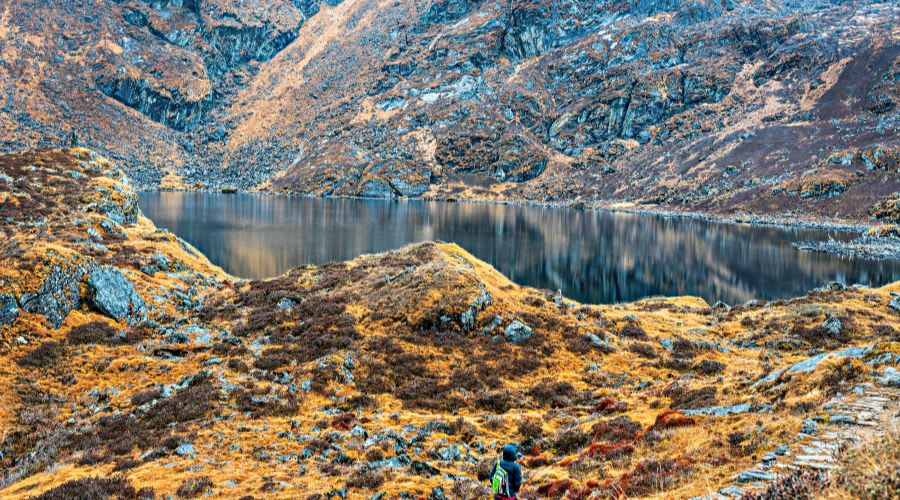
Mountains like Jugal Himal, Dorje Lakpa (6,966 m), Madiya, Langtang Range (7,234 m), and Ganesh Himal (7,422 m), are visible while on the trek. This moderate trek is full of panoramic views and rhododendron forests and has a less crowded trail.
18. Poon Hill Trek
Northwest of Pokhara city in the Annapurna region, Poon Hill is especially known for the golden sunrise and sunset that strikes in the Himalayas. It is 4 days to a week long. Trek to Poonhill starts from Pokhara and moves to Naya Pul, followed by Tikhedhunga, finally leading to the Ghorepani Poon Hill.
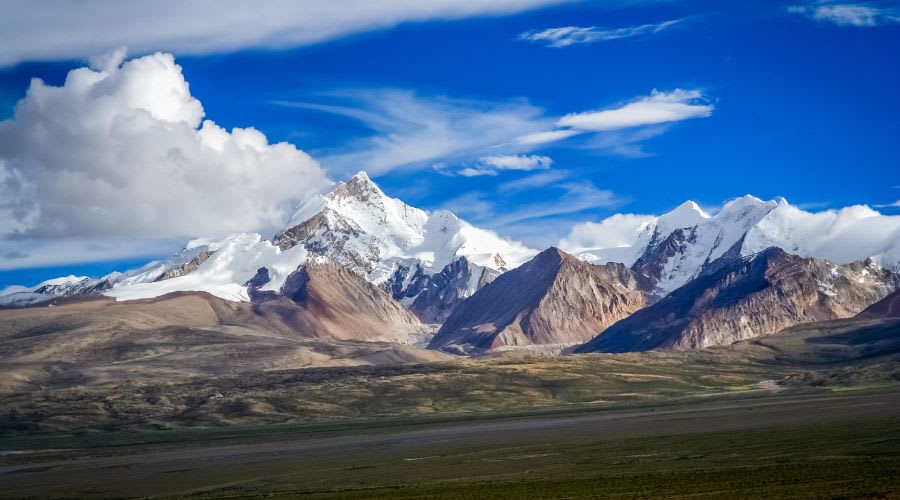
The awestruck sight of Annapurna, Dhaulagiri, Machhapucchre, Hiunchuli, Nilgiri, and Mardi Himal, green dense forest trails, beautiful Gurung settlement, and their cultural practices, are what the Poon hill trek is known for. The maximum elevation you trek to while on the trek is 3,210 m / 10,531 ft. This easy trek doesn’t have a high risk of altitude sickness, so it is suitable for all age groups and newbies to pioneer.
19. Panchase Trek
Panchase trek is a popular trail leading to Nepal's western region. The trek commences from Pokhara, leading to Bhumde and Panchase village. One of its main attractions includes the serene forest trail and views of mountain peaks such as Mt Dhaulagiri, Mt Annapurna, Mt Manaslu, and Mt Ganesh. Panchase village top is considered a significant pilgrimage spot for Hindus as Lord Shiva is believed to have meditated here.
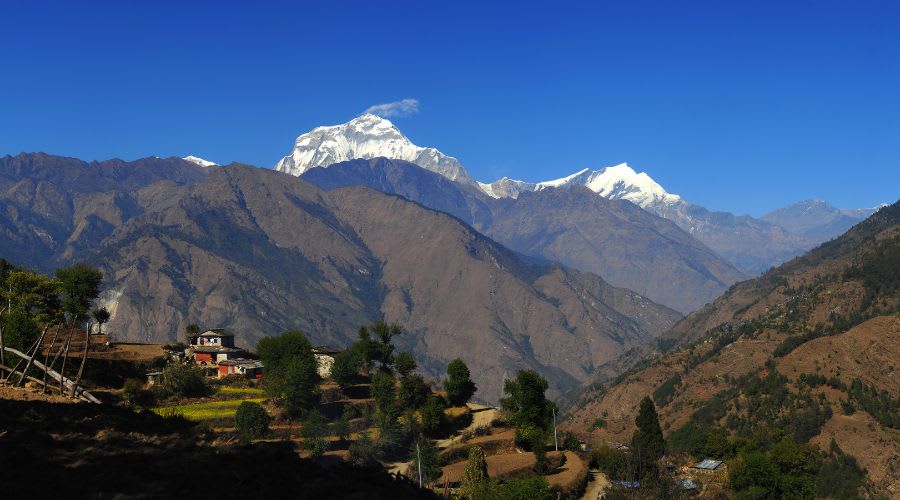
At the top, visitors can see Dharmasal temple, Sidha Baba temple, Mahadev (Shiva) temple, and statues of Lord Buddha. What sets Panchase trek apart from other treks is its low elevation gain, making it an ideal option for those who prefer moderate difficulty. The highest point on this trek is 2,500 m / 8,202 ft above sea level. With its natural beauty and cultural significance, the Panchase trek should definitely be on the bucket list of every traveler visiting Nepal.
20. Royal Trek
The Royal Trek is a popular trekking route in Nepal that allows trekkers to explore the beautiful Annapurna region. The trek gets its name from Prince Charles (now King Charles III), who walked this trail in 1980. The entire trek takes around 3 to 4 days to complete and passes through several picturesque villages like Kalikasthan, Syaklung, and Chisapani before ending near Begnas Lake. One of the main highlights of this trek is the view of the Annapurna range and the Machhapuchre range.
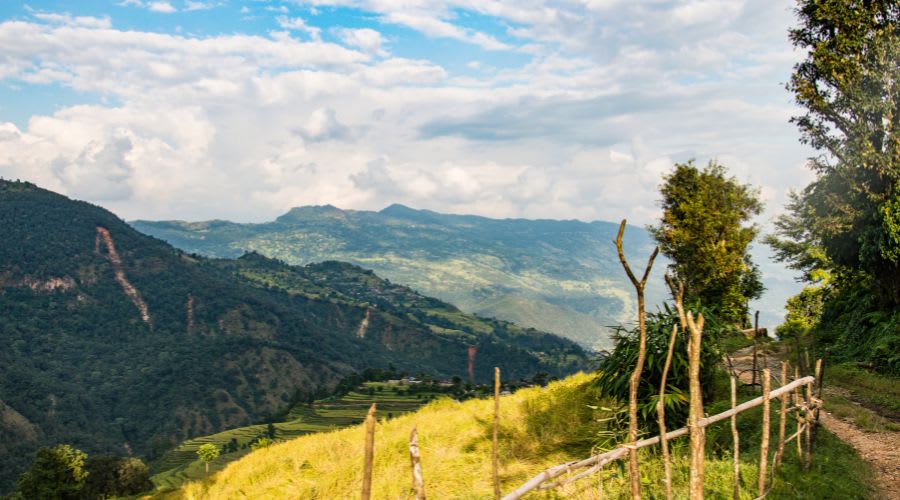
Unlike some other treks in Nepal, the Royal Trek has no hard climbs or risky paths, making it an easy trek for beginners. The highest elevation point on this trek is only about 1,730 m / 5,676 ft, which means there is no risk of altitude sickness. The Royal Trek offers a unique experience for trekkers as it takes you through unspoiled natural beauty and allows you to interact with local communities. The route is dotted with charming tea houses where you can rest and enjoy delicious local cuisine while taking in mountain views. Overall, the Royal Trek is an excellent choice for anyone looking for a short and easy trek showcasing the best of what Nepal offers.
21. Rolwaling Valley Trek
The Rolwaling Valley Trek is a popular trekking destination located northeast of Kathmandu, with the trail starting from Jagat and leading through Simigaun, Dogdang, Beding, and Tso Rolpa. The trek can take anywhere from 5 days to 2 weeks, depending on the route taken. The major attractions of the trek are the views of Gauri Shankar Himal and the Rolwaling range throughout the journey.
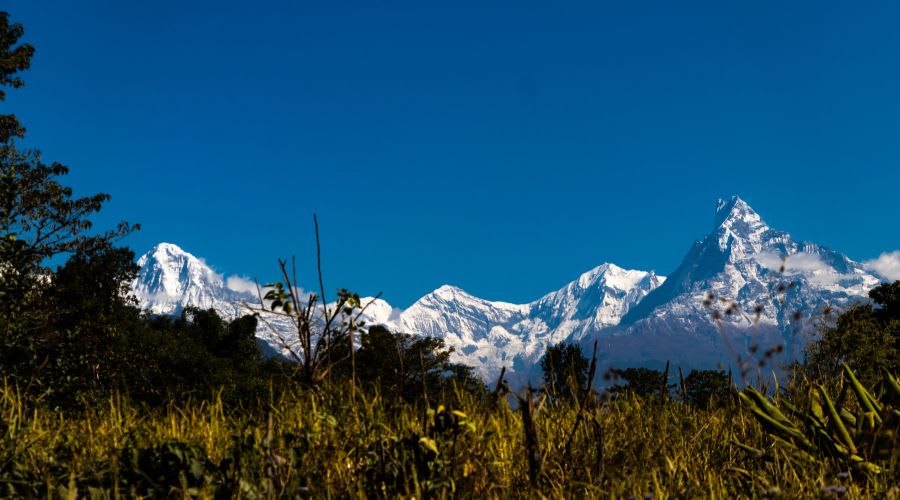
While some parts of the trail may be rocky and challenging to climb, the walk to Tsho Rolpa lake (about 4,580 m) is moderately difficult. Crossing the Tashi Lapcha pass (5,755 m / 18,881 ft) into the Khumbu is a glaciated, technical route for experienced teams with climbing gear. It's an excellent choice for adventure seekers who want to experience Nepal's natural beauty and culture firsthand. Rolwaling lies in the Gaurishankar Conservation Area, and parts of the upper valley need a restricted area permit, so plan it through an agency. Trekkers can also expect to meet Sherpa communities along the way, providing a unique opportunity to learn about their traditions and way of life.
22. Makalu Base Camp Trek
The Makalu region of Nepal is blessed with nature’s grace, it has terrific landscapes, green forests, alpine forests, terraced farmlands, rhododendron forests, and mountain views. The trek starts from Tumlingtar and moves further ahead to the Makalu base camp through places like Num, Seduwa, Tashigaun, Khongma Danda, etc.

The Makalu base camp trek is one of the longer treks of Nepal, usually 18 to 22 days. The main attractions of the trek are exploring the exotic wildlife, plants, and other vegetation of the Makalu Barun national park, views of Everest along with other mountains like Mt.Lhotse, Mt.Makalu, Chamlang, Baruntse, get a closer insight of the Rai and Sherpa community. Makalu Base Camp sits at about 4,870 m / 15,978 ft, and the route crosses Shipton La (about 4,200 m) on the way in. The Makalu Barun National Park fee is NPR 3,000. Being one of the most difficult and risky treks, it is best suited for well-experienced trekkers.
23. Pothana (Australian Camp) Trek
The Pothana trek is also known as the Australian Base Camp trek. It takes you to the Annapurna region of Nepal inside the Annapurna conservation area. The starting landmark of the trek is Phedi. Pothana trek is known for the sunrise and sunset from the Australian base camp that strikes the Annapurna and Dhaulagiri mountains.
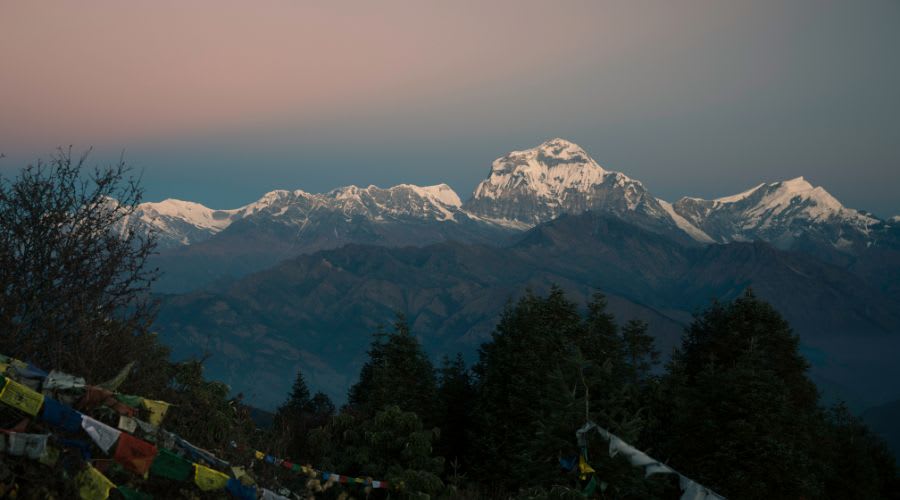
You can enjoy the traditions and culture of Gurung and Magar ethnic groups and explore the Buddhist religion. Ridge walking with open mountain views is another plus point of the Pothana trek. The highest point is about 2,060 m / 6,758 ft at Australian Camp, and the trek takes 2 to 4 days. The Pothana trek is perfect for starting your trekking experience.
24. Ghandruk Trek
Ghandruk is a Gurung village located northwest of Pokhara city. It can be reached by crossing Phedi, Kande, and Tolka. The trek takes only 3 to 4 days to complete and has fine views of Mt.Annapurna, Mt.Fishtail, Mt. Gangapurna and Mt. Hiunchuli. Along the way, trekkers pass through beautiful rhododendron forests and explore the charming Ghandruk village while observing traditional houses and experiencing Gurung culture.
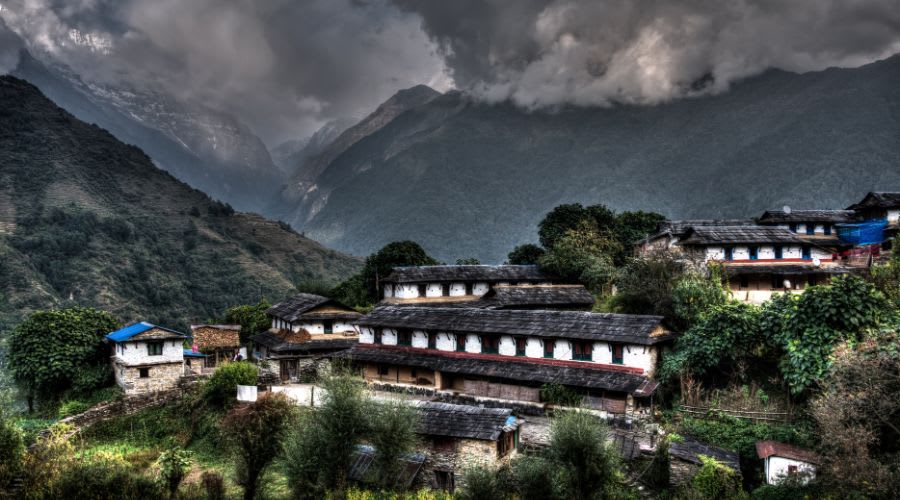
Ghandruk itself sits at about 1,940 m / 6,365 ft, and the highest point is about 2,100 m on the Deurali ridge near Pothana. Due to its low altitude and minimal risk of altitude sickness, Ghandruk Trek is an ideal choice for beginners who want to experience the beauty of Nepal's Himalayas without difficulty.
25. Khumai Danda Trek
Khumai Danda is a hill located in the northern region of Pokhara, at the foot of Mt. Machhapuchhre. Despite being an underrated trekking destination, this trail offers much and can be completed within four days. The journey begins from Pokhara and passes through scenic spots such as Himja, Hile Kharka, Khumai Danda, and Korcha Danda.
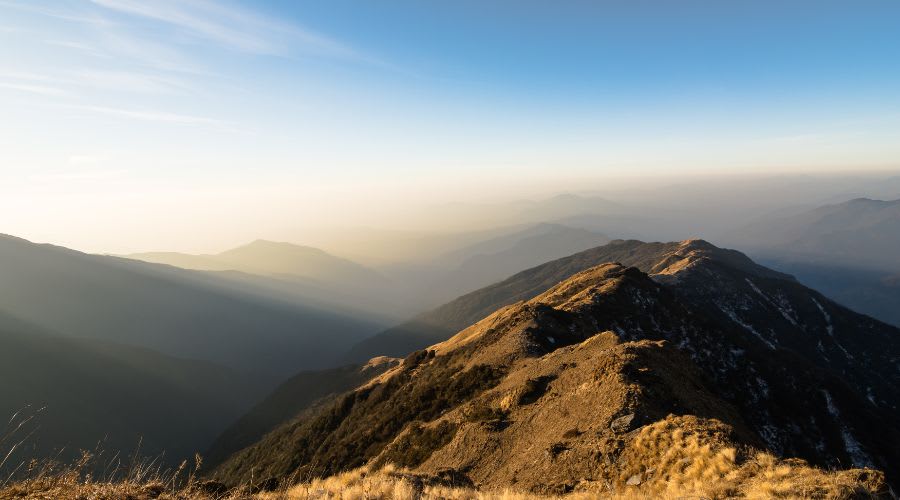
The highlight of this trek is the view of Mardi Himal, Annapurna and Machhapuchhre from the top of Korcha Hill during sunrise and sunset. Along the way, trekkers can also witness mesmerizing waterfalls and small villages. The highest elevation point on this trek is 3,682 m / 12,080 ft above sea level. Despite being a short trek, Khumai Danda offers a unique experience that is slowly gaining popularity among adventure enthusiasts. It's an excellent choice for those looking for a less crowded trek that still showcases Nepal's natural beauty.
26. Ama Yangri Trek
In the Langtang region, inside the Sindhupalchok district lies Ama Yangri Peak, the highest viewpoint of the Helambu ridgelines close to Kathmandu. For people who are used to trekking, it can be done in a day or two, and for non trekkers, you might need a maximum of 3 days.
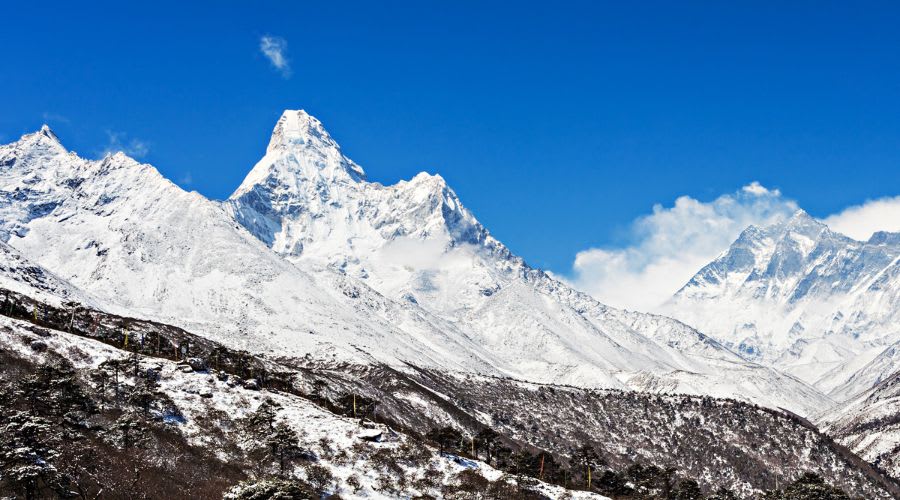
Highlights of the Ama Yangri trek are a less crowded trail, the sight of the Langtang range, Dorje Lakpa, and the Jugal Himal, and an opportunity to look into Hyolmo culture and lifestyle and practices of Sherpas of the Helambu region, explore the unspoiled Tarke Gyang village, etc. Ama Yangri is the highest landmark of the Ama Yangri trek with an altitude of 3,771 m / 12,372 ft.
27. Dhaulagiri Circuit Trek
The Dhaulagiri circuit trek takes you to the western part of Nepal through incredible landscapes, forests, mountain passes, mountainous views, alpine pastures, and small rivers. Beginning from Beni followed by trekking through places like Babiyachaur, Dharapani, Muri, Boghara, Italian base camp Dhaulagiri circuit trek traverses further ahead. Highlights of the trek are: Chhonbarban Glacier, French Pass, Dhampus Pass, Mt.Ghustung South, Dhaulagiri I, II, III, IV, Tukuche Peak, apple orchards, Myagdi river, Kaligandaki river, moraines, gorges, etc. Most itineraries take 18 to 21 days, and above Italian Base Camp it is a camping trek with glacier walking. It is one of the hardest treks in Nepal because of its rugged trails and elevation that goes up to 5,360 m / 17,585 ft at the French Pass.
28. Chisapani Nagarkot Trek
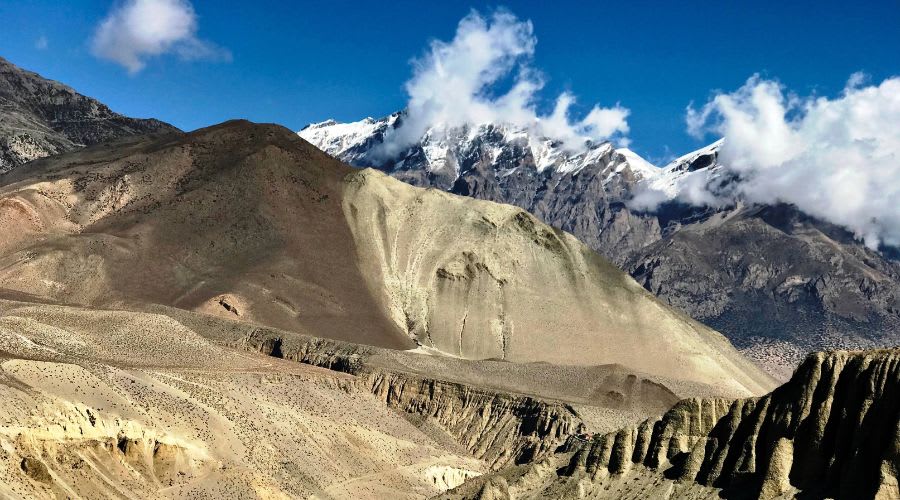
Chisapani is in the Shivapuri hills north of the Kathmandu Valley. The trek takes 2 to 3 days and starts from Sundarijal, extends to Chisapani, and finally to Nagarkot. Major attractions of the Chisapani Nagarkot trek are roaming around the Shivapuri National Park, the sight of Mt. Manaslu, Ganesh Himal, Langtang Himal, Gaurishankar Himal, visiting temples around Bhaktapur, Kathmandu, visiting Namo Buddha, etc. The highest elevation of the Chisapani Nagarkot trek is about 2,450 m / 8,038 ft on the Shivapuri ridge.
29. Sikles Trek
Sikles village is located in the Annapurna region of Nepal and is prominently inhabited by the Gurungs. The trail to the Sikles village traverses through lush rhododendron forests, rivers, paddy fields, and river streams. Usually, the trek to Sikles is a week to 9 days long. Views of Annapurna, Machhapuchhre, Manaslu and Lamjung Himal, forests full of birds, Gurung culture and quiet trails are what Sikles is known for. The village sits at about 1,980 m / 6,496 ft, and side trips climb higher. This trek is considered easy and risk-free for all age groups and beginners.
30. Api Himal Trek
Api Himal is a trekking destination located in the Api Nampa conservation area of far western Nepal. The trek starts from Gokuleshwor and takes 14 to 16 days to complete. The trail has fine views of Mt. Api, Mt. Nampa, and Mt. Bobaye, along with Kali Dhunga Lake and lush forests. Trekking through this region allows you to experience the cultural and traditional diversity of the local communities. The trek is moderately difficult, with the highest point at Api Base Camp, about 4,000 m / 13,123 ft. The trail comprises some rocky and challenging walks requiring good physical preparation. Because of the altitude, there is a fair risk of altitude sickness, making it a little hard for beginners without proper acclimatization training. Permits are the Api Nampa Conservation Area fee plus a restricted area permit for parts of the upper valley, and fees vary, so confirm them with your agency.

Why Trek in Nepal?
Nepal's unique geography and rich cultural heritage make it an ideal destination for trekkers seeking an unforgettable adventure. With some of the highest mountains in the world, Nepal offers trekking experiences that range from challenging high-altitude expeditions to scenic hikes through lush forests. Trekking in Nepal also provides opportunities to experience local cultures and traditions and interact with friendly locals. The country's well-established tourism industry makes it easy to find guides, accommodation, and equipment rentals, ensuring that trekking enthusiasts can focus on enjoying their journey through Nepal's natural beauty.
Supporting local tourism through trekking in Nepal contributes to the economic development of the region, making it a sustainable way to travel and explore
Best Time to Trek in Nepal
The best time to trek in Nepal is during autumn, which runs from September to November. This season offers clear skies and stable weather conditions, making it perfect for trekking. However, it's also the busiest time of year, so expect crowds on popular trails. Spring (March-May) is another great time to trek as the hills are covered with colorful flowers, but it can also be busy.
Winter (December-February) is an option for those who want a quieter trekking experience, but temperatures can get quite cold and there may be snow on high-altitude trails. Regardless of the season you choose, check local weather conditions before setting out on your trek.
During the June to August monsoon, the rain-shadow treks behind the Annapurna and Dhaulagiri ranges stay much drier. Upper Mustang, Upper Dolpo and Nar Phu are the usual picks, and our monsoon trekking guide compares them.
How to Prepare for Trekking in Nepal
Trekking in Nepal requires physical and mental preparation to ensure a safe and enjoyable experience. Start by assessing your fitness level and gradually increasing endurance through regular exercise and hiking. Acclimatizing to the high altitude gradually is essential by taking enough rest breaks and staying hydrated. Ensure you have proper gear, including sturdy boots, warm clothing, and a good backpack, and consider hiring a guide or porter for added support on the trekking route. With adequate preparation, you'll be ready to tackle Nepal's beautiful trekking trails confidently.
What to Expect While Trekking in Nepal
As you set out on your trek in Nepal, get ready to witness some of the finest views of snow-capped mountains, unique cultural experiences, and encounters with local wildlife. The accommodations on your trek can vary from basic teahouses to luxurious lodges depending on your route. Weather conditions are unpredictable and can change rapidly, so it's important to prepare accordingly. Pack appropriate footwear and clothing and be physically fit for the journey ahead. With proper preparation, trekking in Nepal can be a once-in-a-lifetime experience filled with adventure and unforgettable memories.
Accommodation
Finding the right accommodation is crucial to planning your trekking trip in Nepal. The country offers diverse options, from basic teahouses to high-end lodges. Teahouses are the most common accommodation type and provide a bed, blankets, and basic meals. They are an excellent choice for trekkers who want to experience local culture and save money. If you prefer more amenities such as hot showers and comfortable beds, lodges are a better option. Keep in mind that they are usually more expensive than teahouses. Regardless of the type of accommodation you choose, make sure to book in advance to avoid any inconvenience during peak trekking seasons.
Food and Water
Nutrition is key while trekking in Nepal, and preparation is essential. On the trek, you'll have access to a wide range of food options, including local Nepali cuisine and Western-style dishes. However, it's important to carry enough water with you and treat all water sources before drinking. Teahouses along the route also offer boiled and filtered water for a small fee. Proper hydration is essential to ward off altitude sickness, so invest in a good water filter or purification system before embarking on your journey.
Altitude Sickness
When trekking in Nepal, altitude sickness is a common concern for many trekkers. This condition occurs when the body fails to adjust to the decreased oxygen levels at high altitudes, causing symptoms such as headache, dizziness, and nausea. Acclimatization is key to preventing altitude sickness, and this can be achieved by taking rest days and drinking plenty of fluids. Trekkers should also be aware of the signs of severe altitude sickness, which can be life-threatening and require immediate medical attention. Having a first aid kit and emergency oxygen on hand while trekking in Nepal is important to ensure a safe and enjoyable experience.
Permits
Permits are an essential consideration when planning a trek in Nepal. They are required for many of the popular routes in order to regulate the flow of visitors and preserve the natural beauty of the area. The cost of permits varies depending on the trek and its duration, and they can be obtained through authorized agencies or at checkpoints along the route. It's important to carry your permit with you at all times while trekking to avoid any unnecessary delays or issues with authorities. Obtaining the necessary permits is a straightforward process to ensure a safe and enjoyable trekking experience in Nepal.
| Region | Permits | Cost (foreigners) |
|---|---|---|
| Everest (EBC, Gokyo) | Khumbu municipality fee + Sagarmatha NP. No TIMS | NPR 3,000 + NPR 3,000 |
| Annapurna (ABC, Circuit, Poon Hill, Mardi, Khopra) | ACAP + TIMS | NPR 3,000 + NPR 2,000 |
| Langtang, Gosaikunda, Tamang Heritage | Langtang NP + TIMS | NPR 3,000 + NPR 2,000 |
| Manaslu Circuit | Restricted area permit + MCAP + ACAP | USD 100 first 7 days (Sep to Nov), then USD 15/day |
| Tsum Valley | Restricted area permit + MCAP | USD 40 first 7 days (Sep to Nov), then USD 7/day |
| Nar Phu | Restricted area permit + ACAP | USD 100/week (Sep to Nov), then USD 15/day |
| Upper Mustang | Restricted area permit + ACAP | USD 50 per day |
| Upper Dolpo | Restricted area permit + Shey Phoksundo NP | USD 500 first 10 days, then USD 50/day |
Restricted areas must be booked through a registered agency, and a licensed guide goes with you. Since 22 March 2026 a single trekker can hold a restricted area permit, but the guide rule still applies. Buying ACAP at a checkpoint instead of in Kathmandu or Pokhara costs double. Every fee and exemption is in our 2026 trekking permits guide.
How to Choose the Right Trek in Nepal?
When choosing the right trek in Nepal, several important factors must be considered. First and foremost, think about your fitness level and trekking experience. While some treks suit beginners, others require more physical fitness and experience. Researching the different regions and routes can help you find one that aligns with your interests and preferences. Remember the time of year and weather conditions for the region you plan to trek in. Finally, finding a reputable trekking company or guide can ensure a safe and enjoyable experience.
Trek Difficulty
Choosing the right trek difficulty level is crucial for a successful and enjoyable experience while trekking in Nepal. Factors such as altitude gain, terrain, and the duration of the trek determine the difficulty level. It’s imperative to choose a trek that aligns with your fitness level and experience. Easy treks like the Ghorepani Poon Hill Trek or the Ghandruk Trek are recommended for beginners. Moderate treks like the Annapurna Circuit Trek require more physical endurance and preparation. Advanced treks such as Manaslu Circuit Trek or Upper Dolpo Trek are challenging and meant for experienced trekkers only.
Time and Duration
When planning your trek in Nepal, it's important to consider the time and duration of your trip. These factors will depend on your fitness level, the specific route you choose, and the time of year. Shorter treks like the Poon Hill Trek can be completed in as little as 4-5 days, while longer treks like the Everest Base Camp Trek can take up to 3 weeks or more. It's essential to allow enough rest and acclimatization at higher altitudes, especially if you're not used to hiking at high elevations. Remember that weather conditions may also impact your trekking plans, so it's always a good idea to have some flexibility built into your itinerary.
Group or Independent Trekking
Choosing between group or independent trekking in Nepal depends on personal preferences, budget, and experience level. Group trekking allows for meeting new people and sharing experiences with a group. It's often more structured and includes amenities such as porters and guides. On the other hand, independent trekking allows for more flexibility in terms of itinerary, and pace, and can offer a more authentic experience. However, it requires more planning and preparation. Consider your priorities before choosing between group or independent trekking to make the most out of your journey in Nepal.
Your Budget
When planning a trek in Nepal, it's important to consider your budget. Fortunately, there are many options available that cater to different financial constraints. For those on a shoestring budget, the Poon Hill Trek or the Mardi Himal Trek offer views and cultural experiences at a lower cost. On the other hand, luxury options such as the Everest Base Camp Trek or Annapurna Circuit Trek are available if you're looking for more amenities and services during your trek. Ultimately, your choice of trek will depend on your personal preferences and budget.
Preparing for your Trek in Nepal
Getting ready for a trek in Nepal is crucial to ensure a safe and enjoyable experience. It is essential to be physically fit and mentally prepared for the challenges that lie ahead. Begin with a fitness regimen to improve your endurance and stamina, focusing on cardio exercises like running or cycling. Start hiking with a loaded backpack to get used to carrying weight over long distances. Choose your gear wisely - proper footwear, clothing, and equipment are essential. Research the weather conditions of the area you plan to trek and pack accordingly. Finally, hiring a guide or going solo depends on your individual preference, level of experience, budget, and comfort level with the terrain.
Fitness Training
Achieving physical fitness is crucial for a successful trekking experience in Nepal. Trekking in high altitudes while carrying a heavy backpack requires proper endurance and stamina. It is essential to start preparing for your trek well in advance, especially if you are not used to high altitude trekking. A combination of cardio workouts, strength training, and hiking practice can greatly improve your overall fitness level and help prepare you for the challenges of trekking in Nepal. Consulting with your doctor before embarking on your trek and considering any potential health risks or concerns is also recommended. Remember that proper physical preparation will greatly enhance your overall trekking experience in Nepal.
Essential Gear Checklist
Packing for trekking in Nepal can be overwhelming, but having the right gear is essential for a successful and safe journey. When it comes to essential gear, proper clothing and footwear are crucial. Layering is key to staying comfortable, so pack clothing that can be easily layered. A sturdy and comfortable pair of hiking boots with good grip is a must-have for trekking in Nepal. Other critical items include a backpack, sleeping bag, water bottle, headlamp or flashlight, and first-aid kit. Remember to pack light but also make sure you have everything you need to stay safe and comfortable during the trek.
Packing Tips
When packing for a trek in Nepal, it's crucial to pack light and be prepared for changing weather conditions. Think of layering as your best friend and pack lightweight, easily layered clothing to adapt to changing temperatures. Investing in high-quality hiking boots and socks is essential to protect your feet on long treks. A waterproof jacket and pants are a must-have to protect against rain or snow. Don't forget essentials such as a first aid kit, headlamp, and water filtration system to stay safe and comfortable during the trek. Pack smartly, as your gear can make or break your experience while trekking in Nepal.
Hiring a Guide vs. Going Solo
Choosing whether to hire a guide or go solo while trekking in Nepal is a decision that depends on several factors. Hiring a guide can provide a sense of security, especially for novice trekkers, and offer valuable insights into local customs, landmarks, and the terrain. Guides can also help you plan your route and pace according to your preferences or limitations.
Since 1 April 2023, Nepal has required a licensed guide on most trekking routes. The Everest region is the main exception, because the local authorities there do not enforce the rule (see solo trekking in the Everest region). Going solo gives you flexibility, but you need prior experience and should expect hard terrain and language barriers. See our solo trekking rule explainer. Ultimately, the decision to hire a guide or go solo will depend on your personal preferences and level of experience.
Staying Safe while Trekking in Nepal
As with any outdoor activity, safety should be a top priority when trekking in Nepal. Choosing a reputable trekking agency with experienced guides and proper equipment is crucial to ensure a safe and enjoyable experience. Preparing for high altitude sickness is important by acclimatizing properly and staying hydrated. Always stay on designated trails and avoid trekking alone, especially at night. Being aware of weather conditions and carrying appropriate gear for the conditions is also essential. Finally, respect local customs and culture, including dress codes and behavior around temples and monasteries to ensure a harmonious relationship with the locals. By taking these precautions, you can enjoy all that the beautiful Nepalese landscape has to offer while staying safe and protected.
Safety Tips at High Altitudes
Preparing for trekking in Nepal requires careful planning and consideration of potential risks. High altitude sickness is a common concern among trekkers, and it's crucial to understand its symptoms and preventative measures. Spending a few days acclimatizing at higher altitudes and staying hydrated can help prevent altitude sickness. Carrying appropriate gear such as warm clothing, a first aid kit, and a satellite phone or communication device is also important for safety at high altitudes. Hiring an experienced guide familiar with the terrain and weather conditions can provide valuable safety tips and ensure a safe trekking experience. Always stay on designated trails, avoid trekking alone at night, and respect local customs and culture to stay safe in Nepal.
Emergency Evacuation
In the unlikely event of an emergency, having a plan in place for evacuation is crucial. Trekking in Nepal can be unpredictable, and unforeseen circumstances can arise that require prompt medical attention or evacuation. It is essential to know nearby medical facilities' location and capabilities before embarking on your trek. Emergency evacuation services are available in Nepal and should be included in your trekking plan. By carrying a first aid kit and having insurance that covers emergency evacuation costs, you can ensure peace of mind while trekking in Nepal.
Health Concerns
Maintaining good health is crucial while trekking in Nepal. Altitude sickness is a common concern among trekkers, and it's important to understand its symptoms and how to prevent it. Proper acclimatization can help prevent altitude sickness, so take your time and allow your body to adjust to the higher altitudes before continuing the trek. In addition, staying hydrated by drinking plenty of water and avoiding alcohol and smoking can also help prevent altitude sickness. Trekkers should consult with a doctor before embarking on their journey to ensure they are fit enough for the trek and carry a first aid kit with necessary medications for common ailments such as diarrhea, headaches, and blisters. Food hygiene is also important to prevent illnesses such as food poisoning, so be mindful of what you eat and where you eat it. By taking proper precautions, trekkers can ensure a safe and enjoyable experience while exploring the beautiful landscapes of Nepal.
Why Swotah Travel?
Regarding trekking in Nepal, choosing the right travel company can make all the difference. Swotah Travel is a reputable company that offers personalized and customized trekking experiences for its clients. With a team of experienced guides knowledgeable about the region and its cultures, we ensure that trekkers have a safe and unforgettable journey. From arranging permits and transportation to providing comfortable accommodations and delicious meals, Swotah Travel takes care of all the logistics so you can focus on enjoying your adventure. Choose Swotah Travel for an exceptional trekking experience in Nepal.
Trekking in Nepal is a once-in-a-lifetime experience that you don't want to miss. With the right preparation, choosing the right trek, and staying safe while on the trails, you can have an unforgettable journey in the mountains of Nepal. Make sure to do your research, invest in quality gear, and take your time acclimatizing to high altitudes. And remember, hiring a guide or joining a group can enhance your experience and keep you safe. So what are you waiting for? Start planning your ultimate trekking adventure in Nepal today!
30 Best Treks in Nepal: FAQs
What is the most popular trek in Nepal?
Everest Base Camp, followed by Annapurna Base Camp and the Annapurna Circuit. All three use teahouses the whole way and run from March to May and September to November.
Which trek is best for beginners?
Poon Hill (3 to 5 days, 3,210 m) is the usual first trek. Ghandruk, the Royal Trek and Panchase stay even lower. Mardi Himal and Annapurna Base Camp are good next steps.
Which Nepal treks need a restricted area permit?
From this list, Manaslu, Tsum Valley, Nar Phu, Upper Mustang and Upper Dolpo, plus parts of Rolwaling and Api Himal. These must be booked through an agency with a licensed guide.
Can I trek in Nepal without a guide?
A licensed guide has been required on most routes since 1 April 2023. The Everest region is the main exception in practice, because the local authorities there do not enforce the rule.
Is Langtang open in 2026?
The 26 August 2026 Rasuwa flood cut the road to Syabrubesi; a Bailey bridge at Betrawati has reconnected Dhunche and Thulo Syabru. TAAN reopened Langtang for trekking on 22 October 2026, and our Langtang departures start from Thulo Syabru. See our flood update for the latest.